Vacant lots boost diversity among Detroit’s birds, study finds

By Eric Freedman

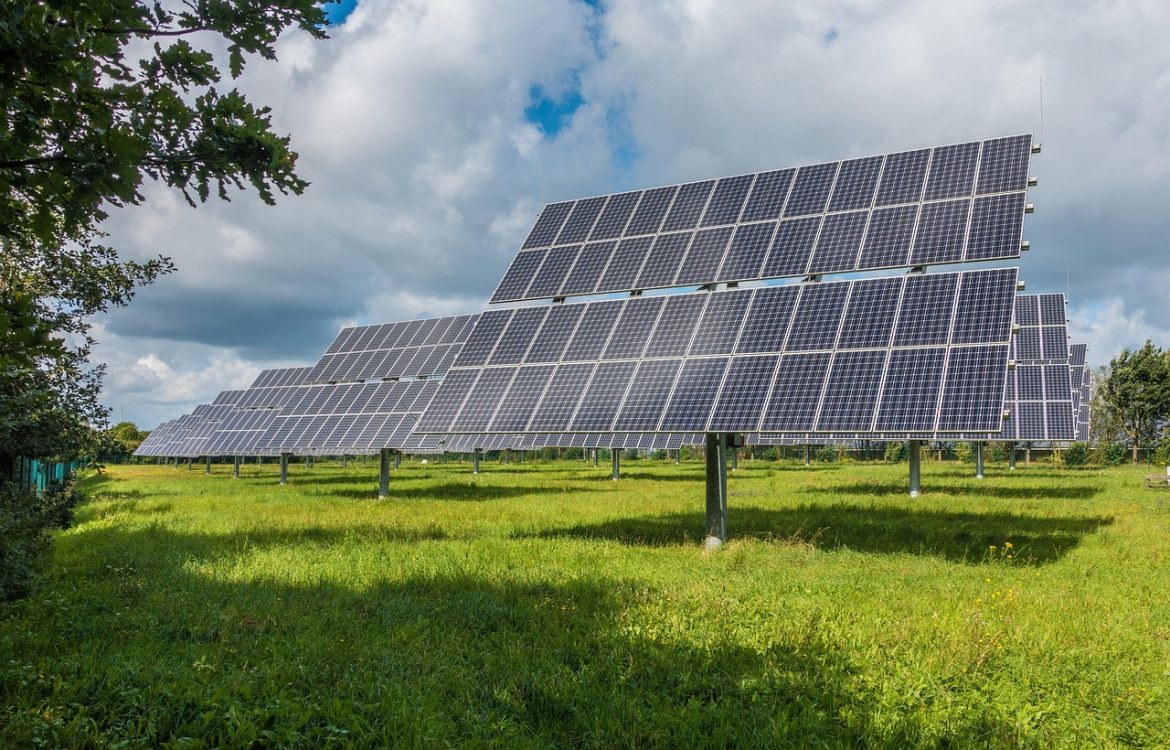
Empty lots in deindustrialized cities like Detroit may contribute to bird species diversity, says a new study by researchers at MSU and Carleton University in Canada. The study is based on sound recordings collected at 110 sites in 11 Detroit neighborhoods. The study recommends that vacant land management in the city takes a balanced approach that considers the needs of both residents and birds. There are other concerns about vacant land, too, including as sites for solar arrays.

New book shares how Mackinac Island became Michigan’s tourism gem

By Isabella Figueroa Nogueria

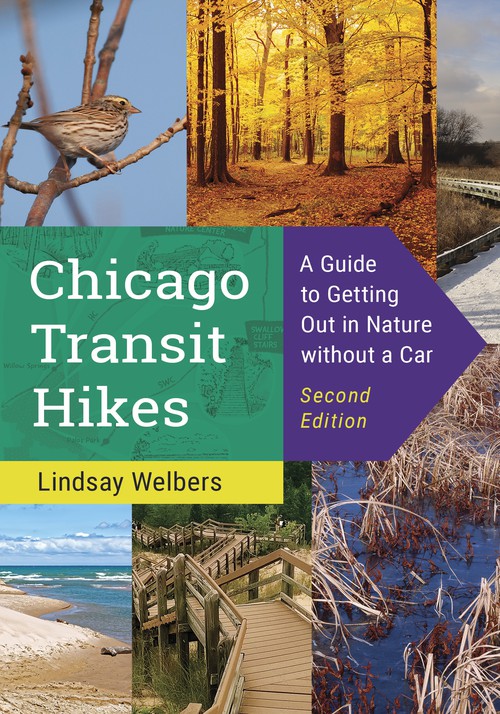
Frank Boles, a retired Central Michigan University historian, has spent decades documenting Michigan’s past. His latest book, “Visiting Mackinac: 150 Years of Tourism at Michigan’s Fabled Straits,” explores how Mackinac Island and the surrounding Straits region became a hub for travelers from across the country.

New Lake Ontario initiative tackles climate hazards alongside Lakes Huron and Superior projects

By Mia Litzenberg

Climate change is creating new challenges for Great Lakes coastal communities. To tackle these hazards, the Niagara Peninsula Conservation Authority launched the Lake Ontario Coastal Resilience Pilot Project last summer. Over the next four years, the project aims to engage communities in developing a coastal resilience plan.

The cover of “Dead Moose on Isle Royale: Off Trail with the Citizen Scientists of the Wolf-Moose Project." The cover is moose antlers on the ground.

‘Dig in and get my hands dirty’: New book explores citizen scientists and their contributions to the Wolf-Moose Project

By Isabella Figueroa

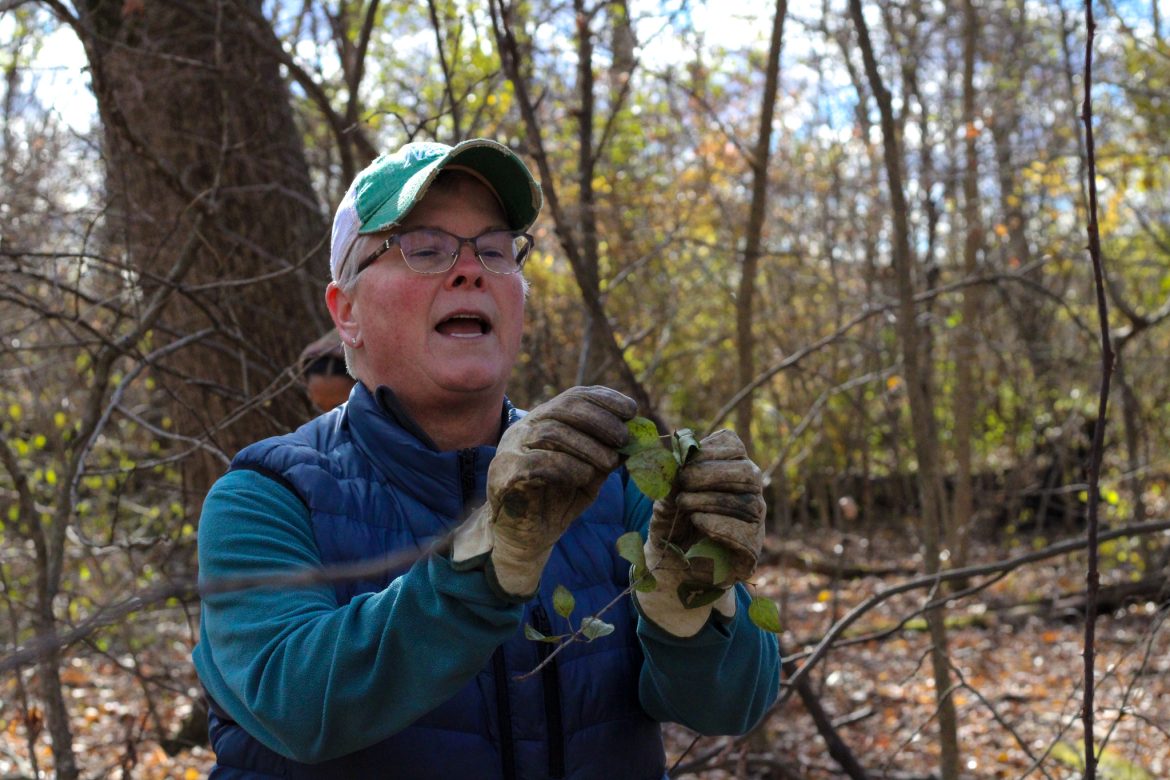
In his new book “Dead Moose on Isle Royale: Off Trail with the Citizen Scientists of the Wolf-Moose Project,” Jeffery Holden turns decades of volunteer field notes and short essays into an off-trail narrative about the people who sustain one of ecology’s longest-running studies. The Wolf-Moose Project at Isle Royale National Park started with scientists from Purdue University, Durward Allen and L. David Mech, in 1958. Since then, volunteers have collected data through on-the-ground fieldwork and built a six-decade record that reveals how climate, disease and food availability shape population cycles.