By Samantha Ku
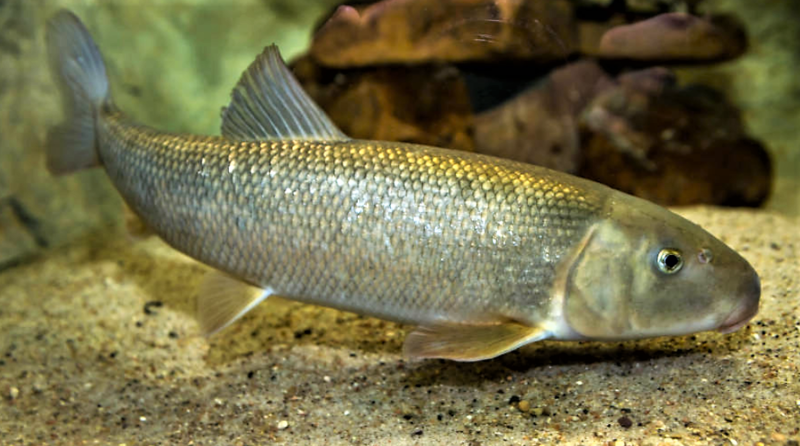
Skin and liver tumors in fish may provide clues to ecosystem health in the Great Lakes region, according to a recent study in the journal Ecotoxicology.
Great Lakes Echo (https://greatlakesecho.org/category/wildlife/)
This broad category encompasses fish. It is further divided on the main menu with tags for mammals, insects, amphibians, birds, mussels, invaders and endangered wildlife.
By Samantha Ku
Skin and liver tumors in fish may provide clues to ecosystem health in the Great Lakes region, according to a recent study in the journal Ecotoxicology.
By Justin Fox Clausen
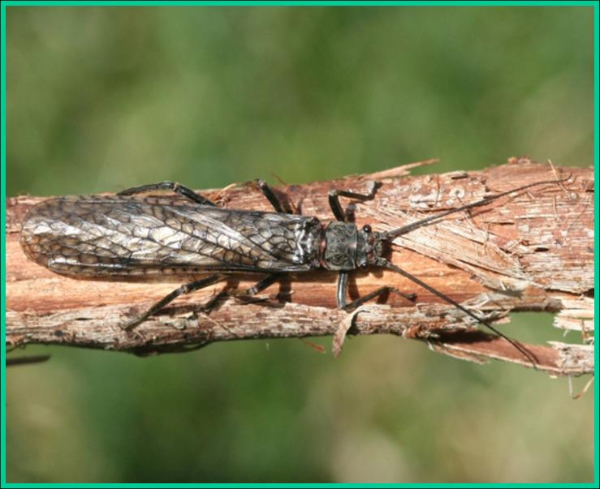
Two insects are under consideration as Michigan’s official state insect: the stonefly and, more recently, the Huron River leafhopper. The state is one of two in the country without an official insect.
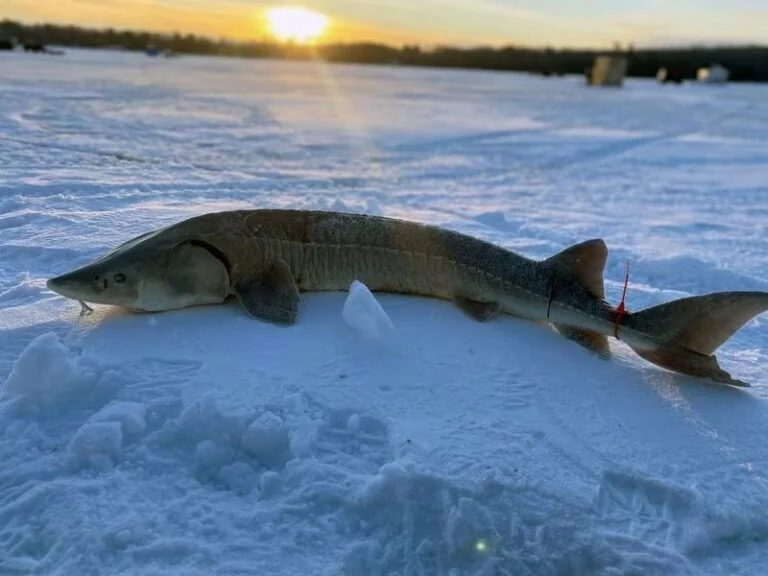
The 2026 sturgeon season on Black Lake in Michigan lasted all of 48 minutes before the annual quota – six – was reached. There were 653 anglers competing for them.
By Kyrmyzy Turebayeva
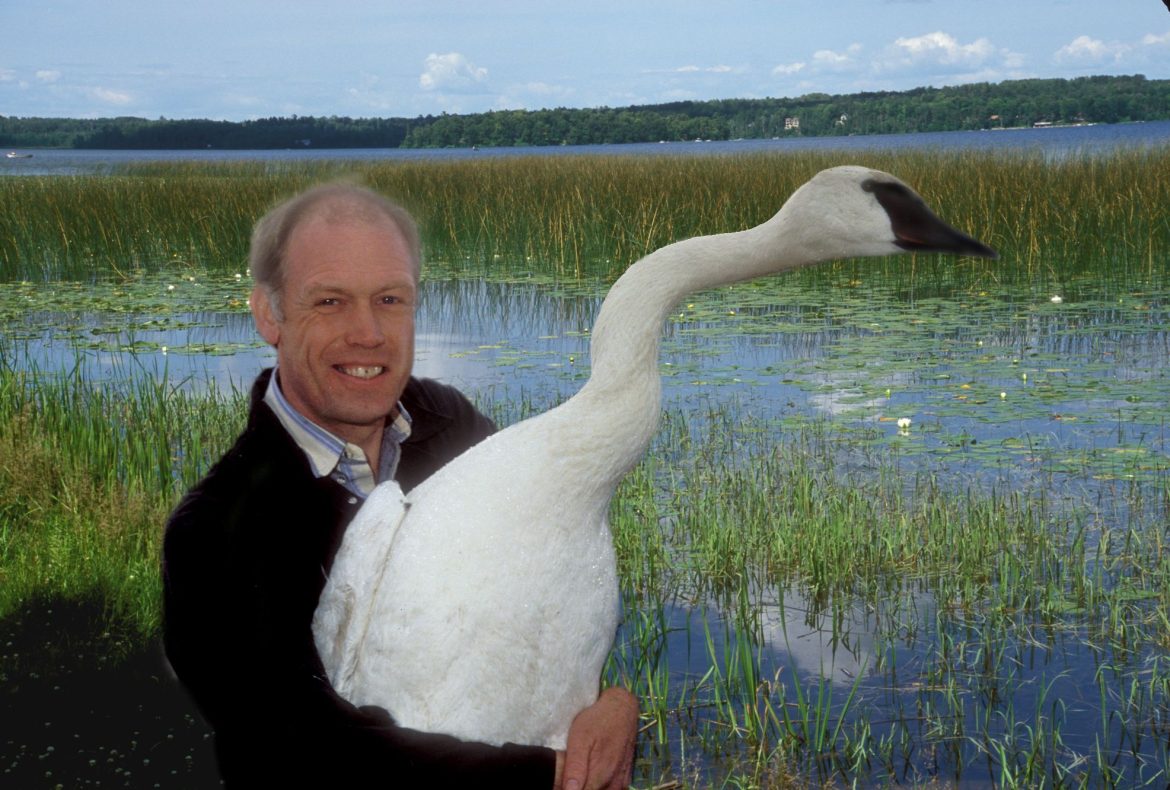
In the late 1970s, when most wildlife conservation programs in the United States focused almost exclusively on game species, a quiet but historic shift began in Minnesota. It was here that one of the nation’s first state programs dedicated to protecting so-called nongame wildlife emerged from butterflies and bats to bald eagles and river otters. That story is now told in detail by Carrol Henderson in his new book, “A National Legacy: Fifty Years of Nongame Wildlife Conservation in Minnesota.”
By Ada Tussing
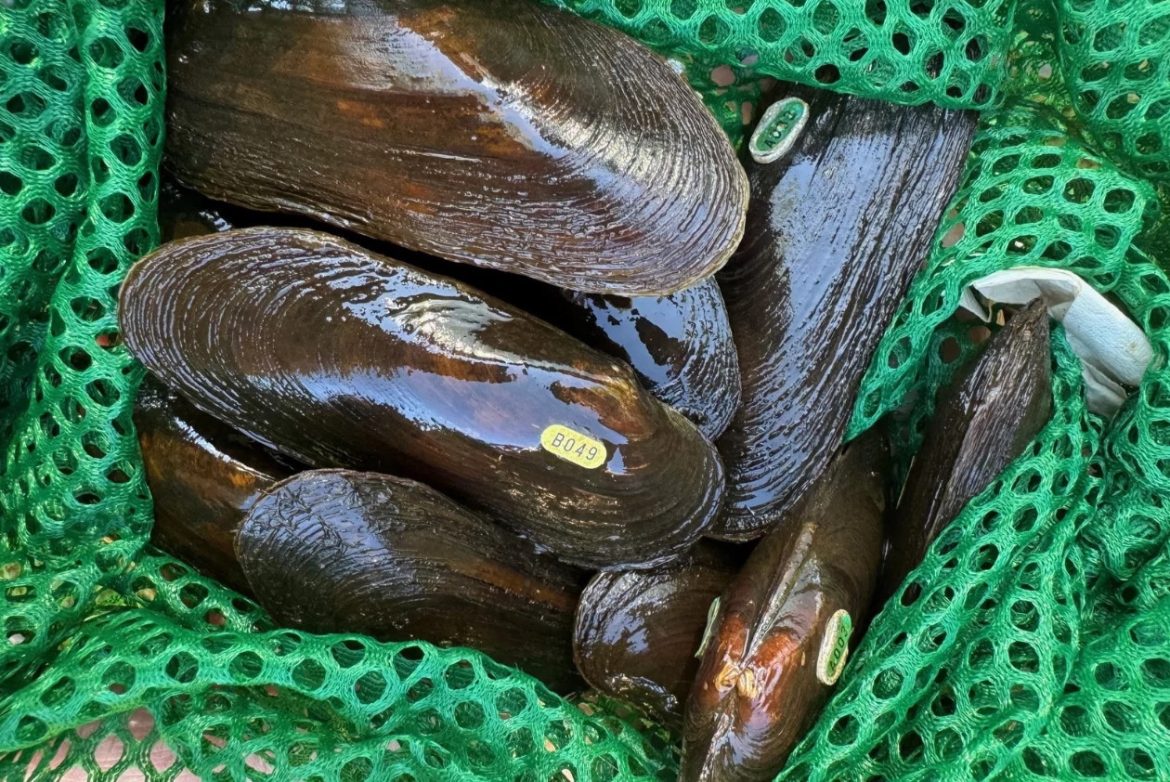
To combat the population loss of spectaclecase mussels, researchers with both the Minnesota and the Wisconsin Department of Natural Resources released over 177 mussels into the Chippewa River in Northwest Wisconsin.

By Akia Thrower
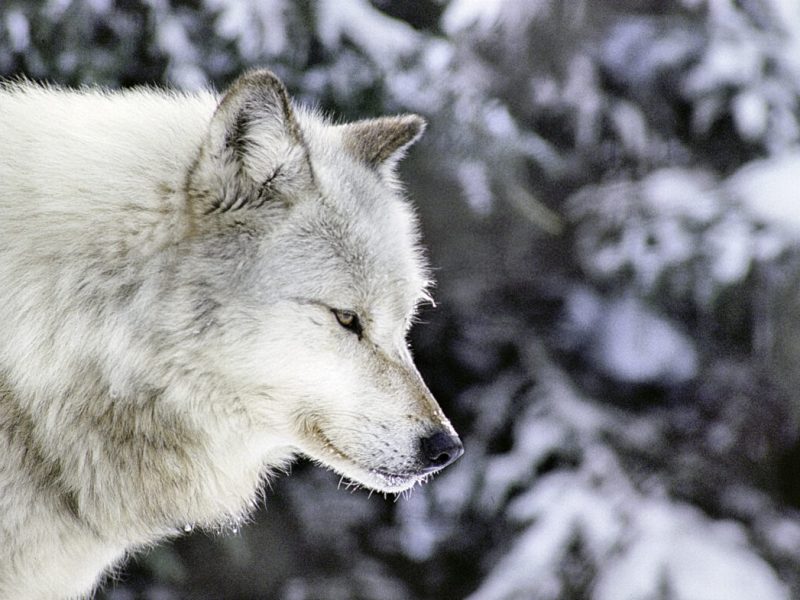
A new study reveals how gray wolves in Isle Royale National Park seasonally alter their habitat preferences to align with beavers’ habitat preferences, a shift that might have implications for the island’s ecosystem.

By Georgia Hill
Scientists studying the body size and growth patterns of non-native earthworms in the UP’s Huron Mountains say they are disrupting forest ecosystems. Contrary to popular belief, most North American earthworms are invaders unintentionally introduced during European colonization. They have a significant impact on ecosystems, especially in the Great Lakes region where they affect soil structure, nutrient cycling and biodiversity.

By Eric Freedman
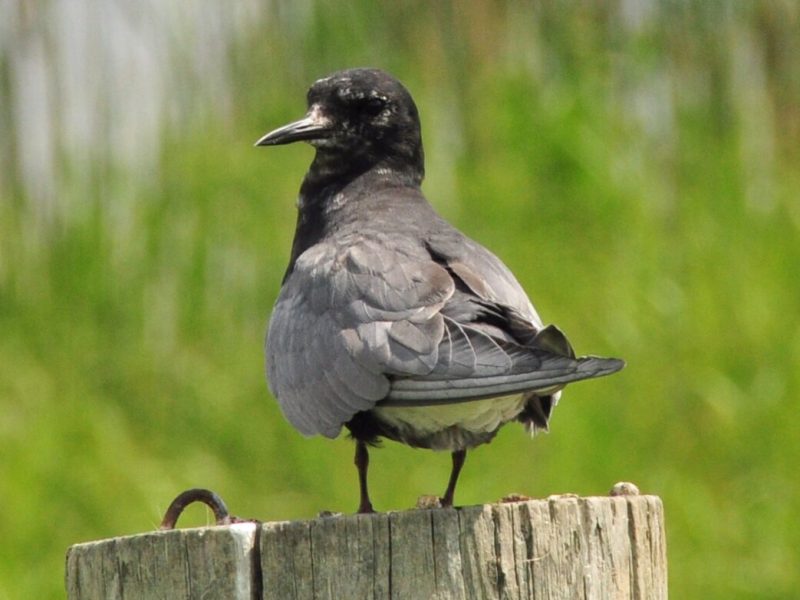
Empty lots in deindustrialized cities like Detroit may contribute to bird species diversity, says a new study by researchers at MSU and Carleton University in Canada. The study is based on sound recordings collected at 110 sites in 11 Detroit neighborhoods. The study recommends that vacant land management in the city takes a balanced approach that considers the needs of both residents and birds. There are other concerns about vacant land, too, including as sites for solar arrays.

By Isabella Figueroa
In his new book “Dead Moose on Isle Royale: Off Trail with the Citizen Scientists of the Wolf-Moose Project,” Jeffery Holden turns decades of volunteer field notes and short essays into an off-trail narrative about the people who sustain one of ecology’s longest-running studies. The Wolf-Moose Project at Isle Royale National Park started with scientists from Purdue University, Durward Allen and L. David Mech, in 1958. Since then, volunteers have collected data through on-the-ground fieldwork and built a six-decade record that reveals how climate, disease and food availability shape population cycles.
By Isabella Figueroa Nogueira
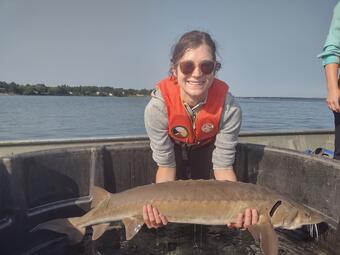
A recent collaborative study, conducted through the Great Lakes Indian Fish and Wildlife Commission, the College of Menominee Nation in Kenosha, Wisconsin, nine tribal entities and academic researchers to understand how climate change threatens the lake sturgeon and to develop adaptation strategies rooted in tribal knowledge.

By Clara Lincolnhol
Meet former K-9 Maple. She made a big career switch earlier this year—from a human remains detection dog to a beekeeper at Michigan State University’s Pollinator Performance Center. The friendly brown-and-white dog, with a long tongue that hangs out of her mouth, dons her own beekeeping suit and uses her powerful nose to detect American foulbrood — a bacteria that left undisturbed, means certain death for an entire honeybee colony.