By Lily Cole
No matter the season, organizations across the Great Lakes region are fighting to keep waterways garbage-free.
Great Lakes Echo (https://greatlakesecho.org/category/waste/)
Everything from litter to nuclear waste.

By Lily Cole
No matter the season, organizations across the Great Lakes region are fighting to keep waterways garbage-free.
By Julia Belden
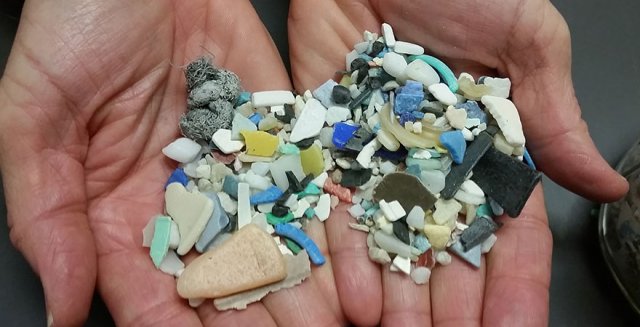
The Michigan Department of Environment, Great Lakes and Energy and governor are marking Michigan’s first Microplastics Awareness Week. Scientists are now finding microplastics in the human body but don’t know their long-term effects.

By Eric Freedman
The Michigan Court of Appeals has cleared the city of South Haven of liability in the 2020 drowning of an 18-year-old swimmer at a public beach on the Lake Michigan coast.
By Rachel Lewis
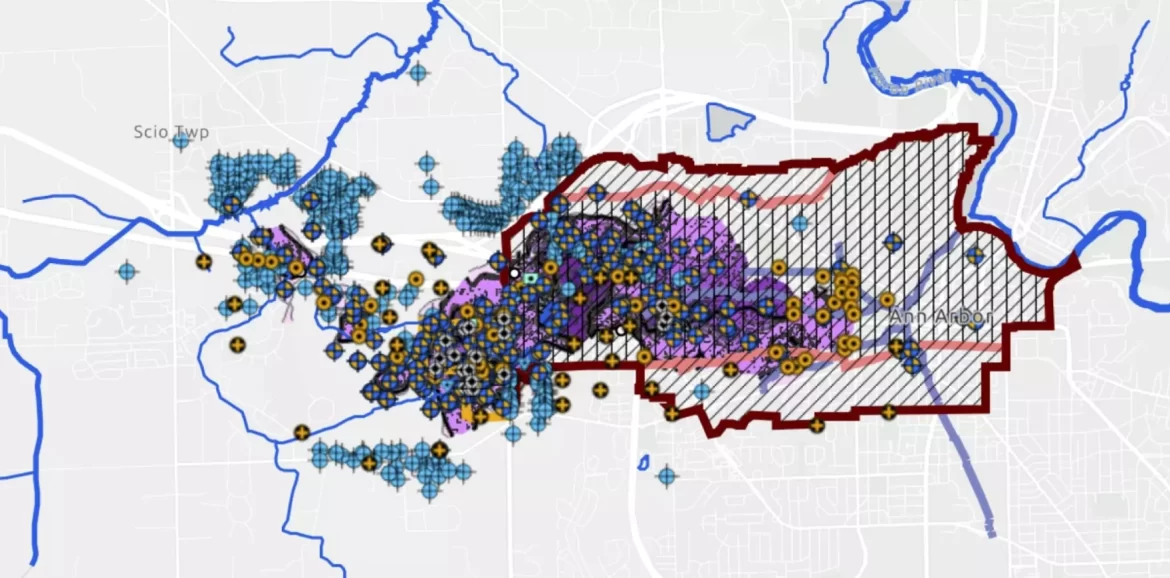
Michigan environmental officials found 1,4-dioxane, a toxic chemical, in six residential water wells in Scio Township during annual state testing. The dioxane, coming from the Gelman Plume, ranged between 0.33 to 0.86 parts per billion (ppb), well under the state Department of Environment, Great Lakes and Energy’s (EGLE) drinking water limit of 7.2 ppb. Although the state says the water is safe, some advocates for a more aggressive plume cleanup say the new detection suggests the plume is moving north. They say it could be dangerous if it reaches Barton Pond, Ann Arbor’s main water source.
By Elinor Epperson
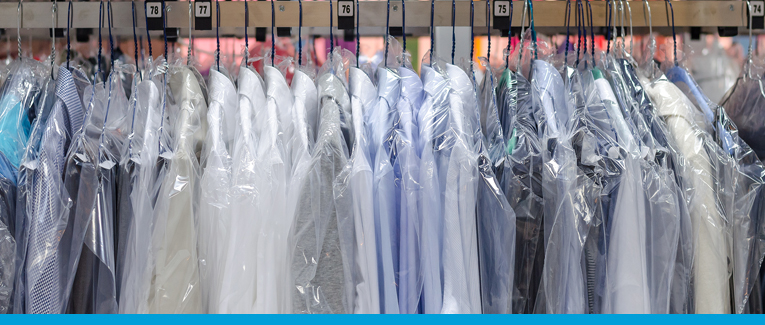
The Environmental Protection Agency has banned the use of perchloroethylene in dry cleaning processes. The chemical will be phased out over a 10-year period.
The EPA has banned all uses of trichloroethylene (TCE) and most uses of perchloroethylene (PCE). Those are cancer-causing chemicals used in a variety of consumer products and industrial processes. TCE is used in spray coatings for arts and crafts, for example. The new rules will ban both chemicals from all consumer products, most within a year, according to the EPA.
By Ruth Thornton
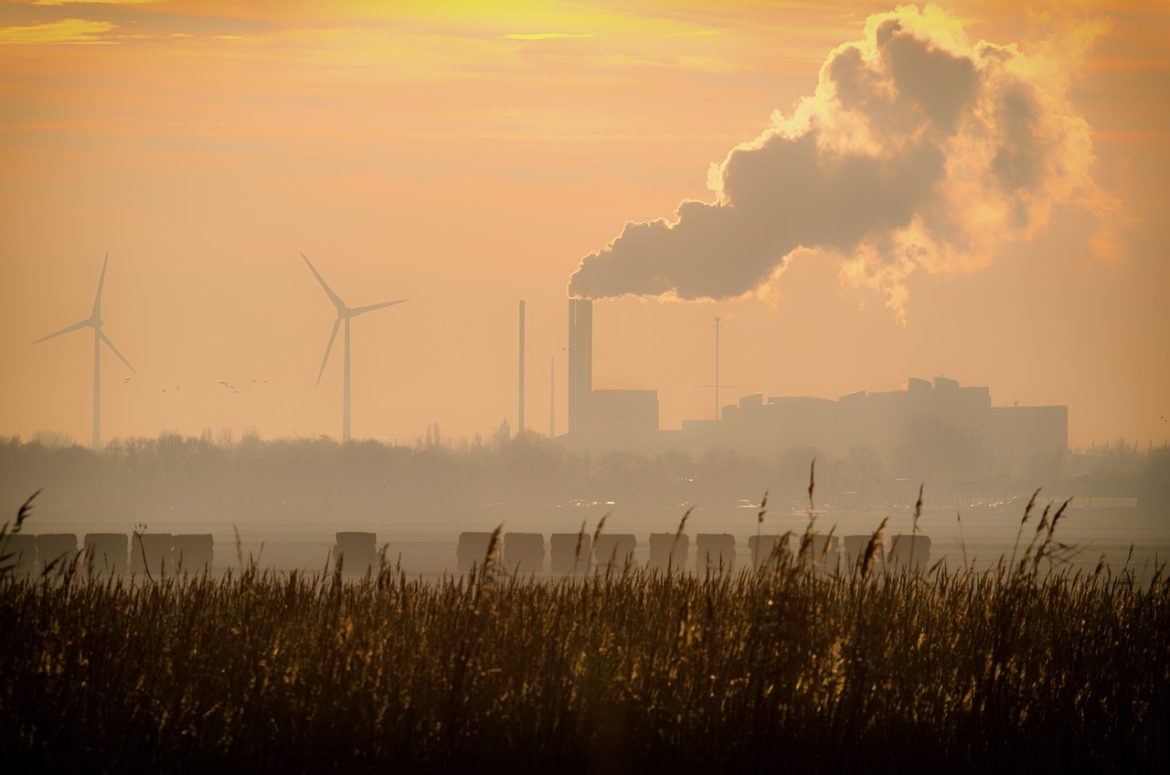
A recent decision by Minnesota’s Public Utilities Commission could mean that wood and trash will be considered “carbon-free” energy sources under the state’s new climate law. The law, passed in 2023, requires all electricity to come from carbon-free sources by 2040, with interim goals defined for 2030 and 2035. However, it did not define which energy sources meet that definition and instead tasked the PUC to make that decision with public input. At first glance, the definition of carbon-free energy seems straightforward. But there is disagreement over the details.
By Anna Rossow
Capital News Service
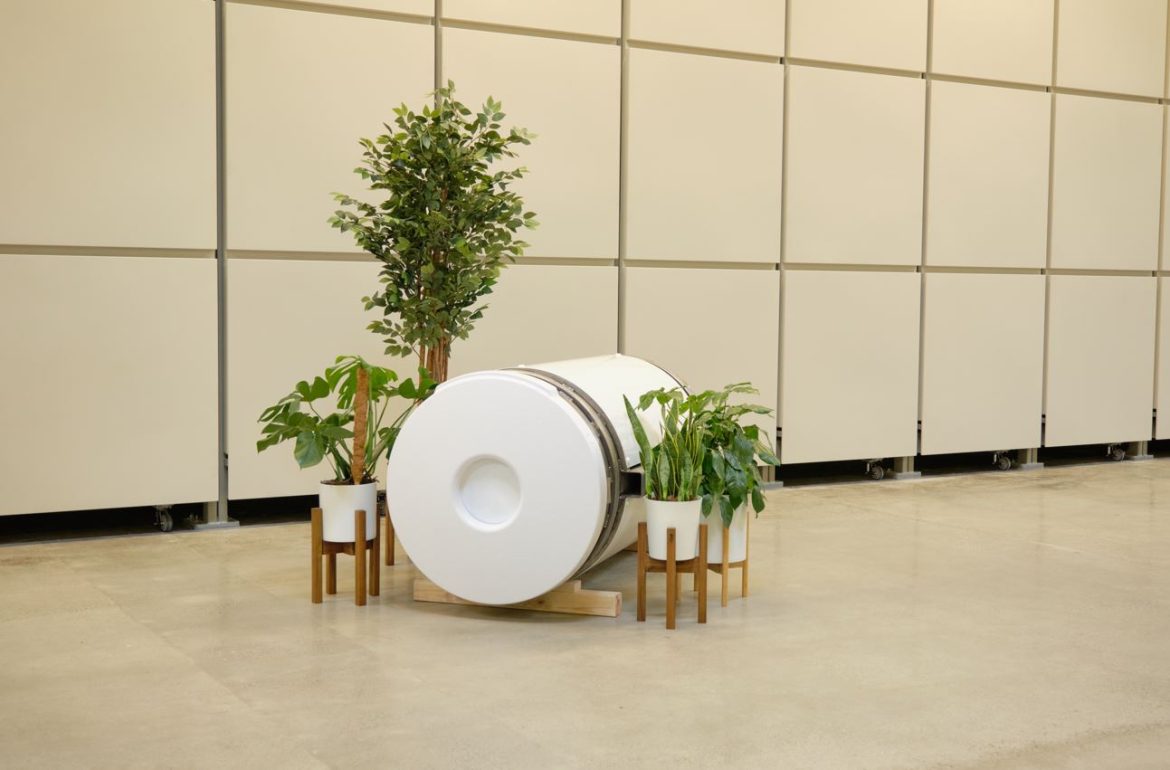
The popularity of a cheaper and environmentally friendly burial alternative is rising in the U.S., but Michigan has yet to legalize it. Human composting transforms the body into soil, according to Earth Funeral, a human composting company with locations in Washington and Nevada.Human. Human composting, which accelerates the natural decomposition process, is legal in 12 states, according to Recompose, another company in the field, with Washington the first to legalize the practice in 2020.
Similar legislation has been introduced in other states, but not Michigan. Haley Morris of Earth Funeral said Michigan residents still have access to human composting and the company often gets interest from people in Michigan. “We can coordinate if people want to pre-plan, or even if they have lost a loved one and are in immediate need to transport their loved one to one of our facilities in Washington state or Nevada, and have their loved one undergo the natural organic reduction process there,” she said.
By Donté Smith
Capital News Service
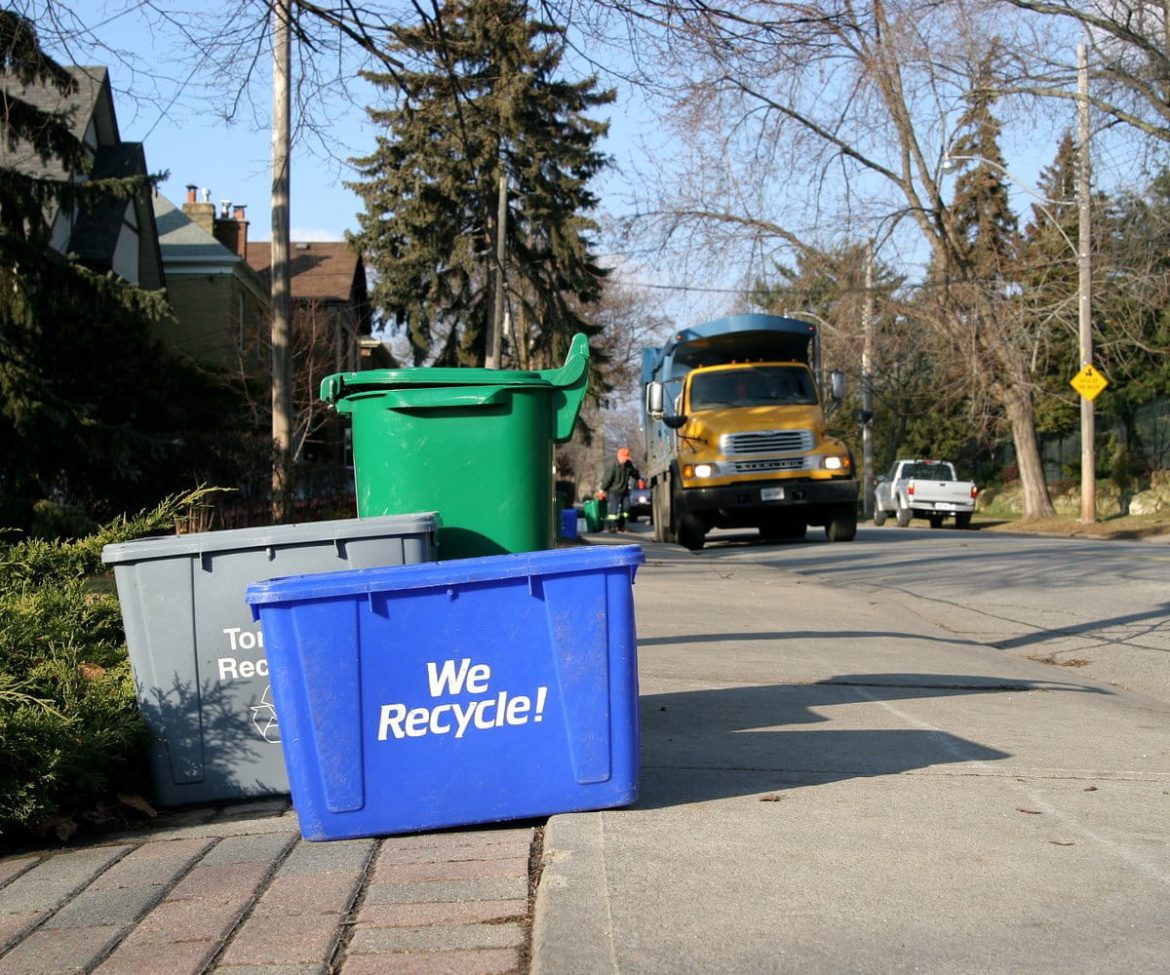
For the third year in a row, Michigan’s recycling rate has hit a record-high, according to the Department of Environment, Great Lakes and Energy. Michigan’s recycling rate has risen from about 14% before 2019 to over 23% now. Officials say they expect the state will reach a 30% recycling rate by 2029.
According to the most recent figures from the U.S. Environmental Protection Agency, the national recycling rate is currently 32% with a goal to increase that number to 50% by 2030. The state department aims to further expand recycling access with over $5 million in new grants to support projects in Metro Detroit, Genesee County, Lansing, Southwest Oakland County, Isabella County, Van Buren County, Marquette County, Sterling Heights and Madison Heights. Genesee County is set to receive $900,000 to establish its first-ever countywide recycling drop-off center.
Cody Roblyer, the lead planner for the Genesee County Metropolitan Planning Commission, said the demolition phase will be completed at the previous site of McDonald Dairy Company, directly off I-475 in Flint by early 2025.

By Elinor Epperson
Capital News Service
It’s been one year since Michigan Democrats introduced legislation that would significantly change the state’s environmental regulations. But those bills are stuck in committee. Election distractions, negotiation, and a slim Democratic majority in the state House have kept a suite of polluter-pay bills in limbo, according to environmental advocates and one of the sponsors. Polluter-pay laws hold businesses financially liable for contamination they cause. Lawmakers introduced the bills a year ago, but they haven’t made much progress since.
By Elinor Epperson
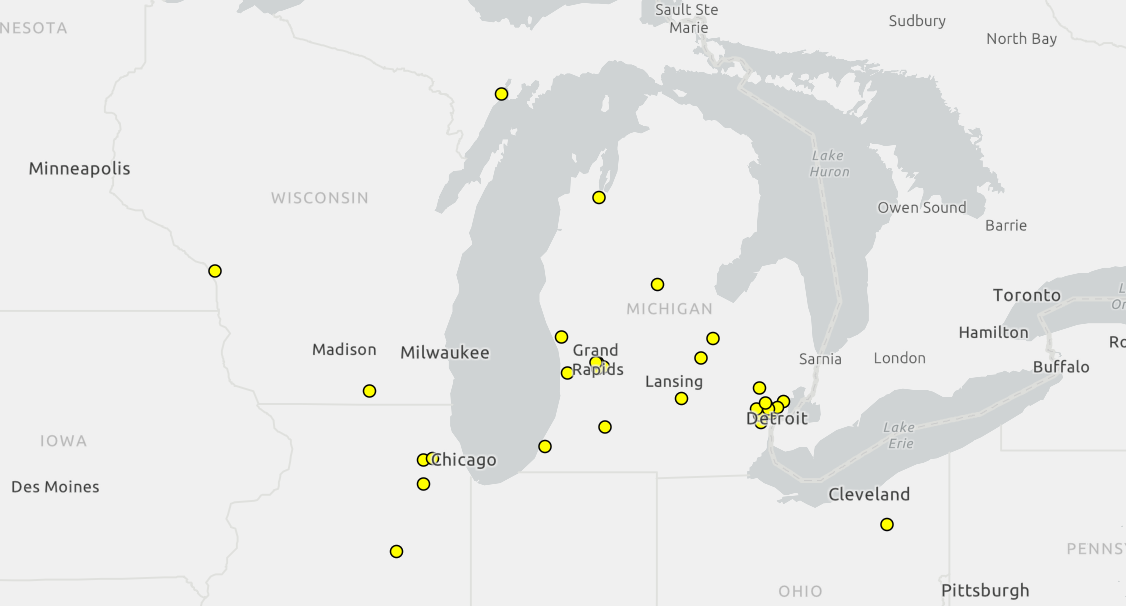
Residents of Michigan’s Upper Peninsula have more options for recycling their old electronics. That’s because of Michigan’s Electronic Waste Take-Back Program. The state program has opened nine more permanent drop-off locations for electronic waste since 2021, more than doubling the number of facilities in the U.P. The program makes sure Michigan residents have access to e-waste recycling that meets state regulations. E-waste recycling facilities have been in the Lower Peninsula for years, but the majority are in the southern part of the state. No e-waste is recycled in the U.P.
Contractors pick it up from drop-off stations or events and transport it to recycling facilities in Wisconsin or the Lower Peninsula.
Microplastics threaten human health. Exposure to them, especially when consumed, involve an array of toxic effects, including reproductive problems, delays in immune responses and oxidative stress, according to a 2023 study published in Environment and Health Journal.