By Christian Vazquez
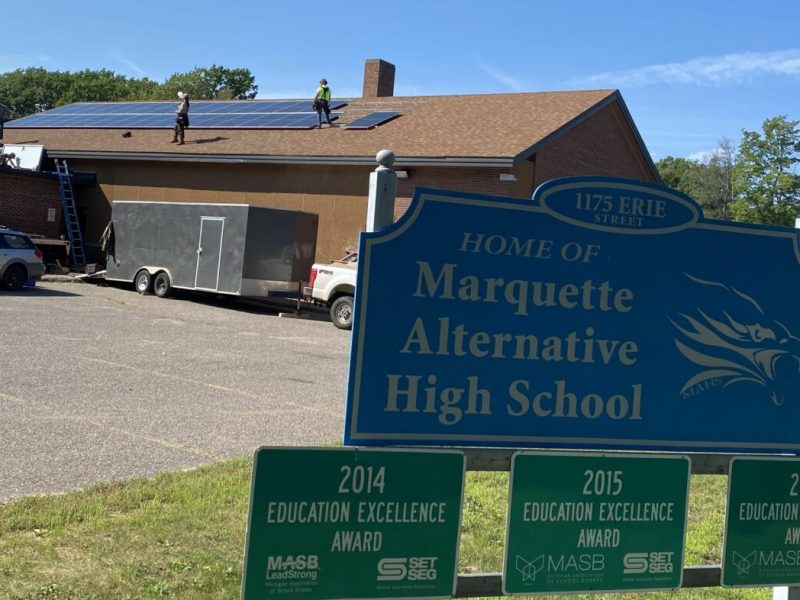
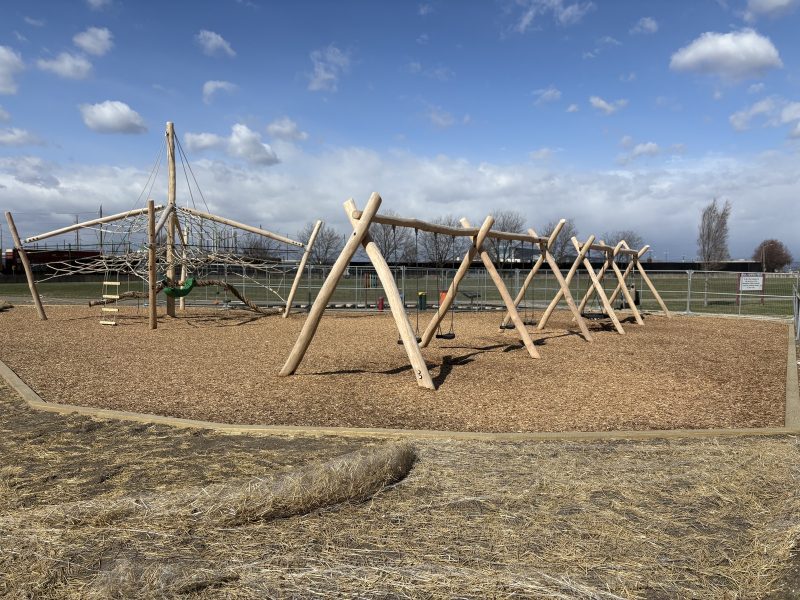
Michigan is awarding $800,000 to 17 school districts in the Upper and Lower Peninsulas to advance STEM education.
Great Lakes Echo (https://greatlakesecho.org/category/solutions/)
Stories that offer environmental solutions.
By Christian Vazquez
Michigan is awarding $800,000 to 17 school districts in the Upper and Lower Peninsulas to advance STEM education.
By Bauyrzhan Zhaxylykov
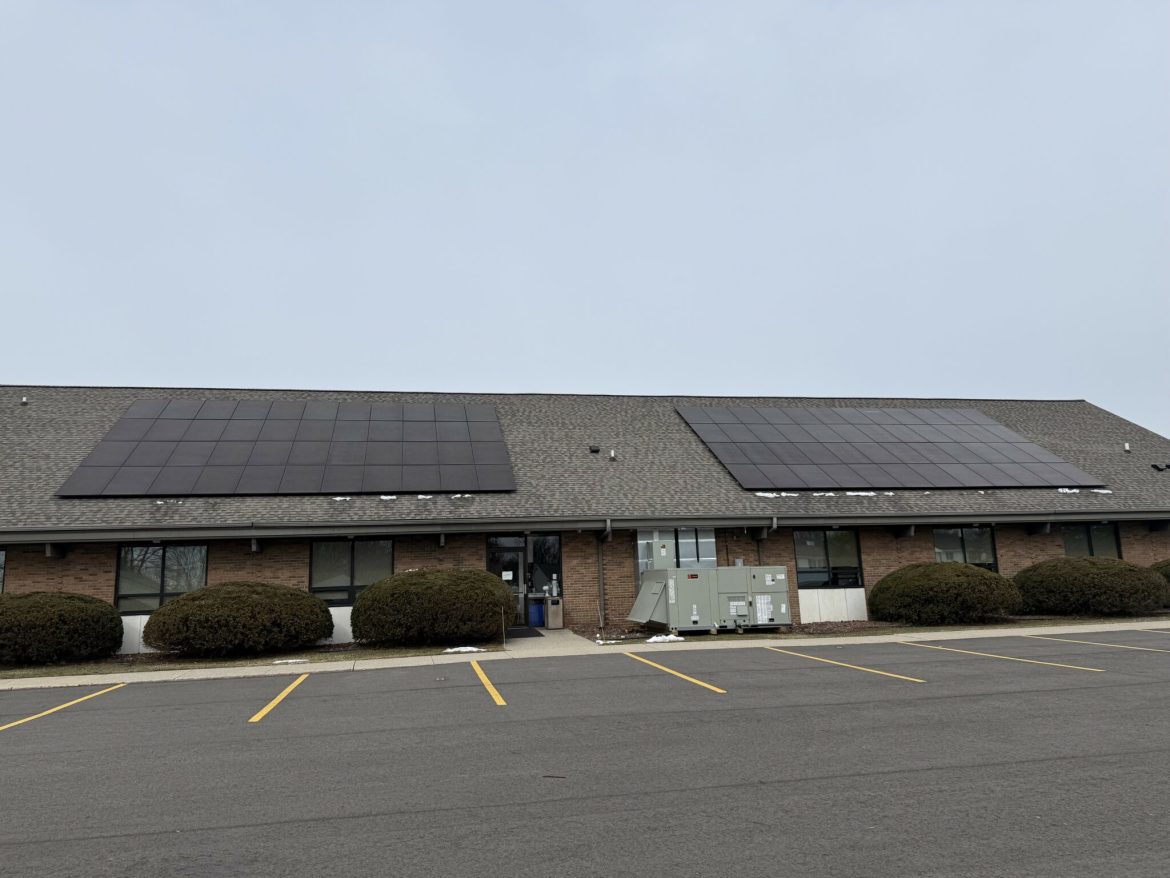
Across Michigan, religious institutions, local governments, schools and nonprofits are turning to a federal program called Elective Pay to help pay for solar panels and other clean-energy projects.

By Justin Fox Clausen
A new bill in Michigan would prohibit home insurance companies from denying, canceling or raising premiums for homeowners and tenants based on the breeds of their dogs.

By Mia Litzenberg
The Six Nations of the Grand River face ongoing water insecurity from pollution, climate change and corporate extraction. Many years of Indigenous water advocacy have led to the development of a new Haudenosaunee Environmental Research Institute as the next step to overcome these challenges.
By Ada Tussing
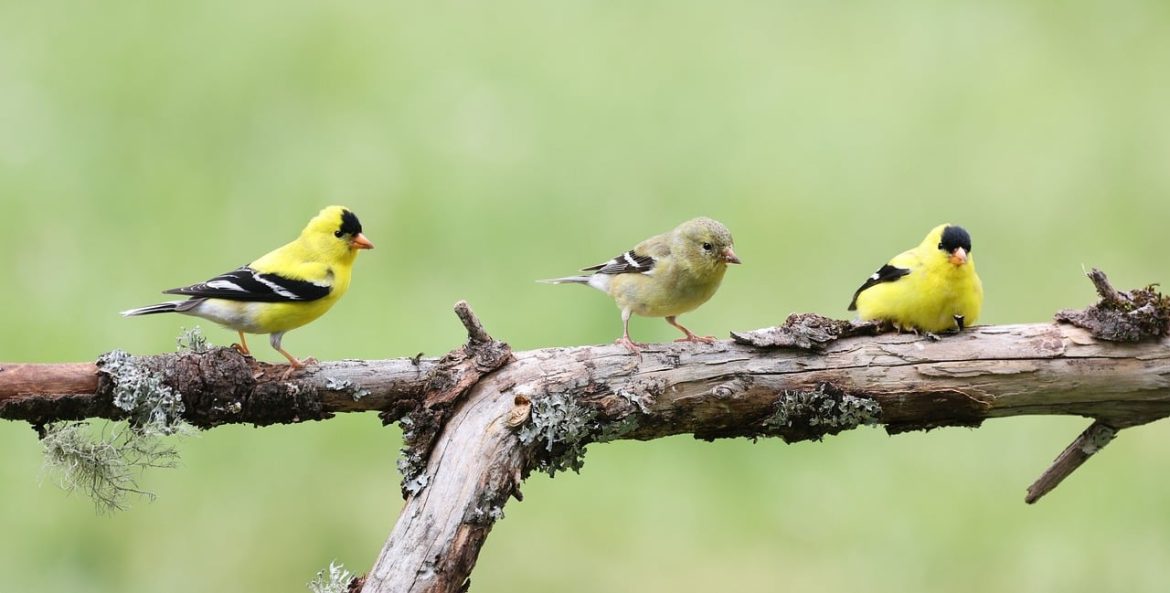
If you’ve noticed fewer birds in the sky recently, they haven’t all flown south for the winter. The North American bird population has dropped nearly 30% in the last 50 years. Mariette Nowak’s book “Birdscaping for Wisconsin and the Great Lakes Region” offers a solution: birdscaping.
By Anna Ironside
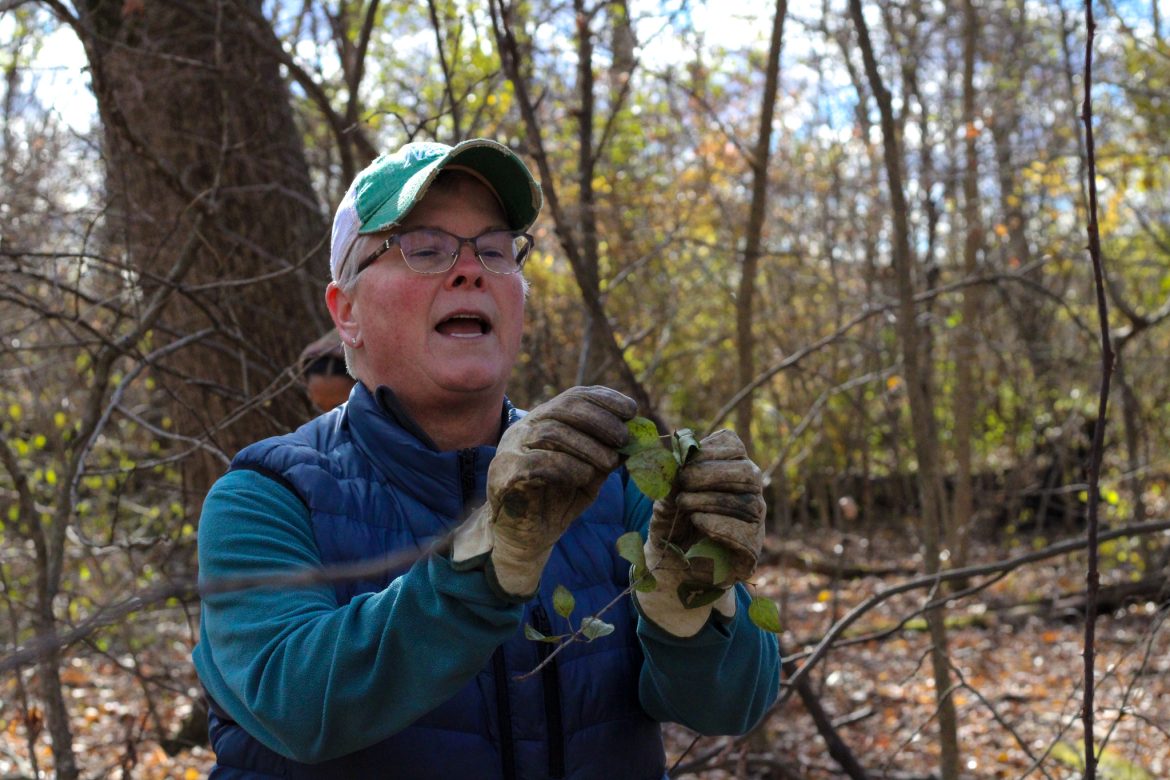
Carolyn Miller is a botanical technologist at Michigan State University’s W.J. Beal Botanical Garden, as well as a master’s student. Her work has made her a driving force behind restoration projects on campus and beyond. From invasive species removal days to a growing movement to replace traditional turf lawns with native landscapes, Miller doesn’t quit.

By Kyrmyzy Turebayeva
More than 30 years ago, a group of scientists planted just 4,200 seeds of the rare Pitcher’s thistle in the sandy dunes of the Great Lakes. At the time, no one knew if the new populations would survive. Today, three decades later, the restored populations are thriving and spreading.

By Eric Freedman
Flashing light on warning signs near curves can slow drivers and reduce the odds of a crash during winter weather conditions, says a new study by Michigan State University engineers.

By Anna Barnes
The Detroit River serves as an important geographic feature, connecting lakes St. Clair and Erie and creating a natural border between the U.S. and Canada. Despite its physical prominence in Detroit, its rich cultural significance is lost among many community residents. Programs are underway to address that disconnect.

By Mia Litzenberg
Climate change is creating new challenges for Great Lakes coastal communities. To tackle these hazards, the Niagara Peninsula Conservation Authority launched the Lake Ontario Coastal Resilience Pilot Project last summer. Over the next four years, the project aims to engage communities in developing a coastal resilience plan.
By Donté Smith
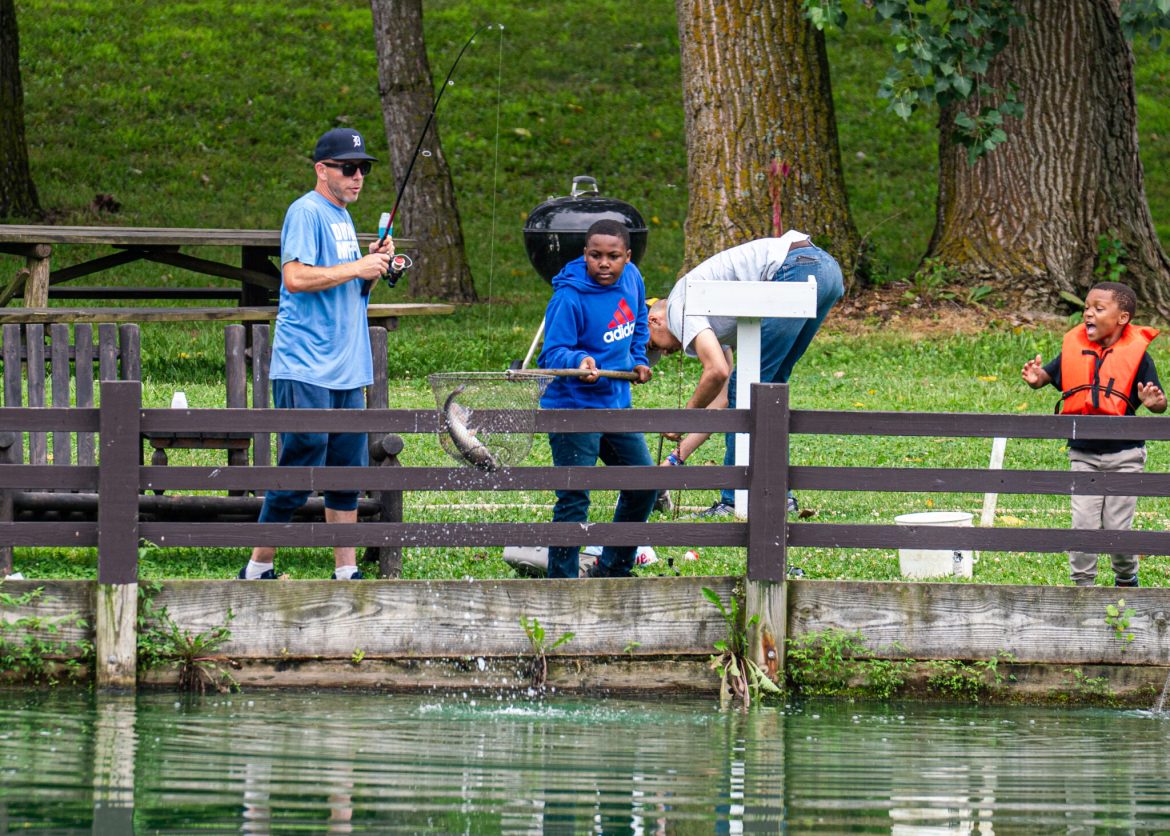
Despite being surrounded by the largest group of freshwater lakes on Earth, Michigan imports the vast majority of its seafood, between 65% and 90%, according to Michigan Sea Grant. As global aquaculture has grown to meet increasing demand for protein, a small but determined group of inland fish farmers in the Great Lakes region are building a more sustainable, local supply. Researchers say doing so could ease pressure on wild populations, create jobs in rural areas and help restore public trust in the food on their plates. But with high regulatory costs, limited consumer awareness and strong competition from imports, these farms face an uphill swim.