Skip to content
  • logo
  • logo
  • Home
  • Solutions
  • Agriculture
  • Water
  • Cities & Suburbs
  • Nearshore
  • Recreation
  • Wildlife
  • Energy
  • Waste
  • About
  • Contact

Great Lakes Echo - Environmental news of the Great Lakes region

Great Lakes Echo (https://greatlakesecho.org/tag/agriculture/page/3/)

  • Home
  • Solutions
  • Agriculture
  • Water
  • Cities & Suburbs
  • Nearshore
  • Recreation
  • Wildlife
  • Energy
  • Waste
  • About
  • Contact
Subscribe

Agriculture

All stories related to farming, including urban agriculture.

Echo

Mental health resources grow for Michigan farmers

By Barbara Bellinger | December 2, 2021

Farmers are known for their ‘pull yourself up by your bootstraps’ mentality. It is rare they’ll admit they’re getting mental health help. 

Echo

Michigan seed libraries grow food resilience

By Kayla Nelsen | November 30, 2021

As with books at traditional libraries, seed libraries contain seeds that circulate among community members.

Echo

Pandemic tests resiliency of community supported agriculture

By Andrea Vera | October 27, 2021

As the COVID-19 pandemic ravaged the world, a devastating scenario for local growers loomed on the horizon.

Land

Uncertainty among Michigan fruit growers drives climate-related adaptations

By Andrea Vera | October 21, 2021

Farmers are set to take on a growing number of challenges in the face of climate change.

Echo

Wisconsin hemp industry switching from state to federal oversight signals changes for growers

By Kristia Postema | October 12, 2021

The U.S. Department of Agriculture’s new regulation of Wisconsin’s hemp program will be beneficial, experts say, but growers remain skeptical.

Agriculture

Michigan farmers could benefit from easing trade relations between the U.S. and Cuba, experts say

By Brandon Chew | June 28, 2021

Michigan farmers, especially soybean farmers, could benefit from higher sales to Cuba, state agricultural organizations say. 

Agriculture

Despite last year’s cancellations, county fairs are coming back in Michigan

By Kirsten Rintelmann | May 21, 2021

Despite the cataclysmic effects the pandemic had on Michigan’s county fair events in 2020, most are expected to take place this year, at least in some form.
Energy

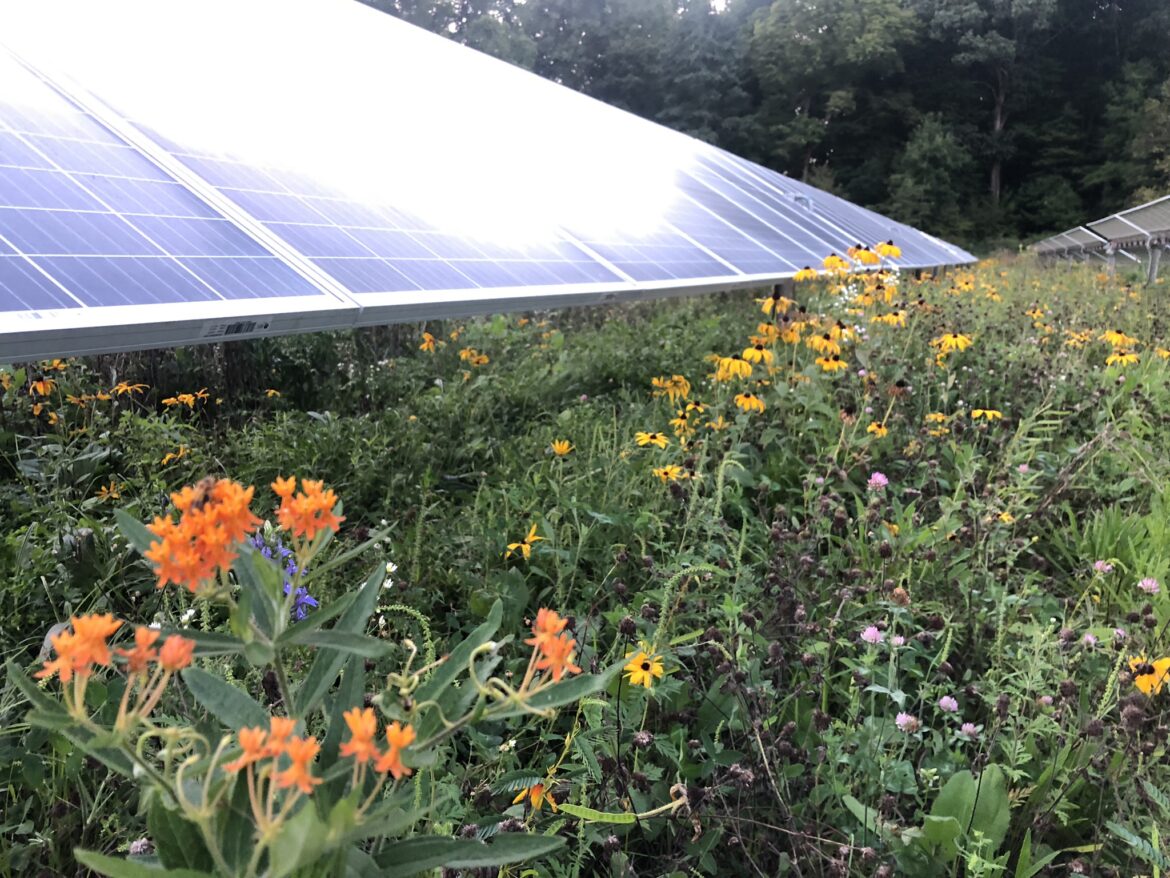
Crops grown under solar panels and pollinator habitats could be wave of the future

By Sheldon Krause | May 19, 2021

A new report about combining solar power and farming practices has advocates saying the practice could take hold in Michigan, boosting productivity while providing much needed refuge for bees and other pollinators.
Agriculture

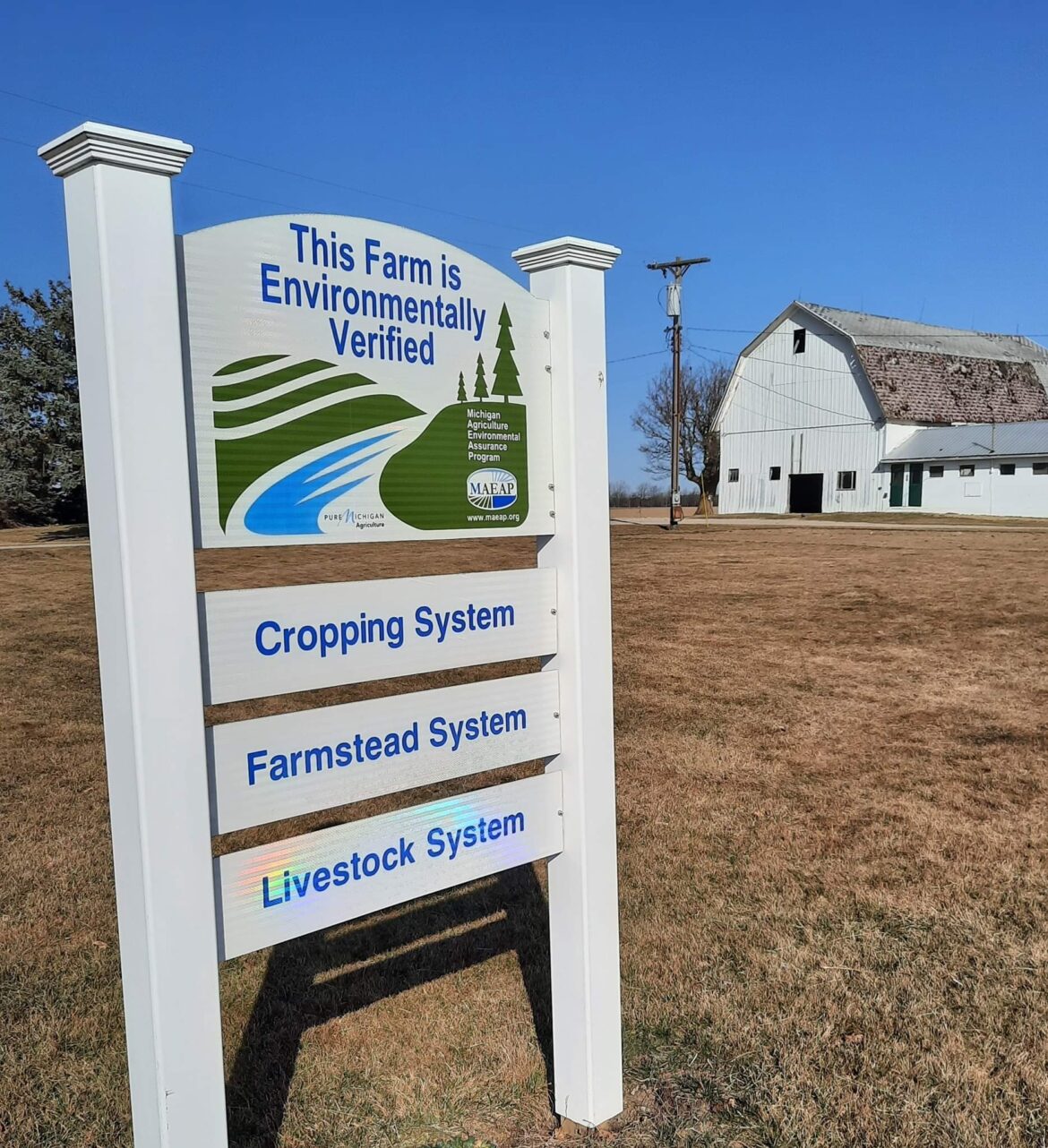
Michigan farms working to combat climate change

By Sophia Lada | April 26, 2021

Michigan farmers take measures to reduce their environmental impact.
Echo

Mentors to teach conservation farming to beginners, veterans, socially disadvantaged

By Brianna M. Lane | April 6, 2021

A Land Ethic Mentorship program run by the Wisconsin-based agriculture nonprofit organization, Sand County Foundation, will help poor, beginner or socially disadvantaged farmers across the nation practice conservation.

Load more articles

About Great Lakes Echo

Environmental news of the Great Lakes region from the Knight Center for Environmental Journalism at Michigan State University.

  • More funding approved to improve the Greater Chicago Area’s public transit

    By Joshua Kim Following the passing of new legislation by the Illinois General Assembly, the Regional Transport Authority, soon to be the Northern Illinois Transit Agency, will receive an additional $1.2 billion for its annual budget this year. The additional funding will be used to improve “frequency, reliability, and safety”

  • Book helps residents, visitors, use Chicago’s public transit to access recreational sites

    By Joshua Kim “Chicago Transit Hikes," a new book by Lindsay Welbers, aims to help Chicago residents and visitors reach outdoor recreation sites car-free.

  • Solar projects bring larger economic gains to smaller communities, study shows

    By Isabella Figueroa Nogueira A recent study examines how solar projects could be planned in ways that benefit rural communities without significantly increasing electricity costs.

  • Miller in the woods
    Invasive species expert teaches volunteers to overcome ‘plant blindness’

    By Anna Ironside Caroline Miller is a botanical technologist at Michigan State University’s W.J. Beal Botanical Garden, as well as a master’s student. Her work has made her a driving force behind restoration projects on campus and beyond. From invasive species removal days to a growing movement to replace traditional turf lawns with native landscapes, Miller doesn’t quit.

  • Headshot of Ethan Theuerkauf
    Growth in shoreline armoring is reshaping Michigan’s Lake Michigan coast

    By Kyrmyzy Turebayeva A new study documents a fivefold increase in shoreline armoring along Lake Michigan’s Eastern coast.

  • How seeds from the past are saving a unique flower of the Great Lakes

    By Kyrmyzy Turebayeva More than 30 years ago, a group of scientists planted just 4,200 seeds of the rare Pitcher’s thistle in the sandy dunes of the Great Lakes. At the time, no one knew if the new populations would survive. Today, three decades later, the restored populations are thriving and spreading.

  • Henderson holding a swan
    From otters to butterflies: How Minnesota became a pioneer in nongame wildlife conservation

    By Kyrmyzy Turebayeva In the late 1970s, when most wildlife conservation programs in the United States focused almost exclusively on game species, a quiet but historic shift began in Minnesota. It was here that one of the nation’s first state programs dedicated to protecting so-called nongame wildlife emerged from butterflies and bats to bald eagles and river otters. That story is now told in detail by Carrol Henderson in his new book, “A National Legacy: Fifty Years of Nongame Wildlife Conservation in Minnesota."

  • Michigan’s water infrastructure sees improvements, work still needs to be done

    By Clara Lincolnhol The U.S. would need to invest nearly $3.4 trillion over the next 20 years to fix and update drinking water, wastewater and stormwater infrastructure, says researchers from The Value of Water Campaign. Much of that infrastructure was built 40 to 50 years ago and shows its age. Michigan’s is no exception. The American Society of Civil Engineers gave the state a D+ for its drinking water infrastructure, a D in storm water management and a C for its wastewater infrastructure. Funding is a major problem. Proposed data centers would put more stress on the infrastructure.

  • Mussels in a green net.
    Endangered spectaclecase mussels reintroduced into the Chippewa River

    By Ada Tussing To combat the population loss of spectaclecase mussels, researchers with both the Minnesota and the Wisconsin Department of Natural Resources released over 177 mussels into the Chippewa River in Northwest Wisconsin.

  • Michigan allocates $77 million to clean thousands of contaminated sites

    By Clara Lincolnhol Michigan is pouring $77 million into clean-up of contaminated abandoned real estate such as former factories. The director of the Department of Environment, Great Lakes and Energy says the goal is to make the cleaned-up sites safe for housing, commercial developments and other uses.

  • Great Lakes Echo

Contact Us

Email: GreatLakesEcho@gmail.com
Phone: 517-432-1415

Search This Site

Browse Archives

© Copyright 2026, Great Lakes Echo

Built with the Largo WordPress Theme from the Institute for Nonprofit News.

Back to top ↑