Michigan kids don’t have to buy a fishing license. But such an investment can return 350 percent for fish restoration and management. Few people are aware of the return on a purchase that also teaches kids about resource management.
Once again Echo is running the Wisconsin Sea Grant version of the popular Twelve days of Christmas carol. It is written by outreach specialist Tim Campbell. This year we’re giving The 12 days of aquatic invasive species Christmas an added twist: We’ve taken out the replacement lyrics for where the traditional carol sings of five golden rings. That’s your challenge. In the comments below, come up with your own version of that verse.
Lake Erie is among seven locations nationwide to receive new offshore wind investments from the U.S. Department of Energy. The department recently announced $168 million for different projects to demonstrate technological development, reduce costs of wind energy, and ultimately add jobs. The Lake Erie Energy Development Corp., a public-private partnership, could receive up to $47 million to install nine 3-megawatt wind turbines seven miles off the coast of Cleveland, Ohio. The goal is to achieve commercial operation by 2017. An offshore wind industry could mirror the success of land-based wind energy, according to a report by economic services group Navigant Consortium that was commissioned for the department.
Cleanup in the wake of a mercury spill can cost thousands of dollars, according to this public service announcement from the Michigan Department of Community Health. “Most spills that are handled quickly and correctly pose no health threat,” said Christina Bush, health department toxicologist. “You might be able to clean up a small spill, like that from a fever thermometer, on your own, but do not vacuum a mercury spill,” Bush said, “Doing so will contaminate your vacuum cleaner and increase the mercury vapor dramatically. If you are unable to clean up the spill right away, tape plastic (like garbage bags) on the mercury-contaminated carpet or flooring . This will reduce the amount of mercury vapor that could get into the air.”
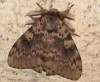
A recent report about major forest insect and disease conditions by the U.S. Forest Service said the population of gypsy moths decreased dramatically in Michigan last year.