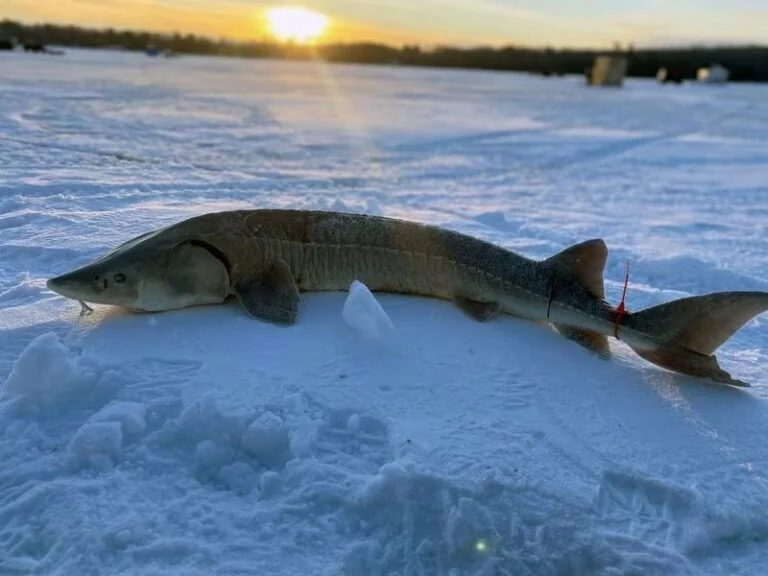
The 2026 sturgeon season on Black Lake in Michigan lasted all of 48 minutes before the annual quota – six – was reached. There were 653 anglers competing for them.
Great Lakes Echo (https://greatlakesecho.org/category/recreation-2/)
Outdoor, resource-based recreational activities.
The 2026 sturgeon season on Black Lake in Michigan lasted all of 48 minutes before the annual quota – six – was reached. There were 653 anglers competing for them.
By Emilio Perez Ibarguen
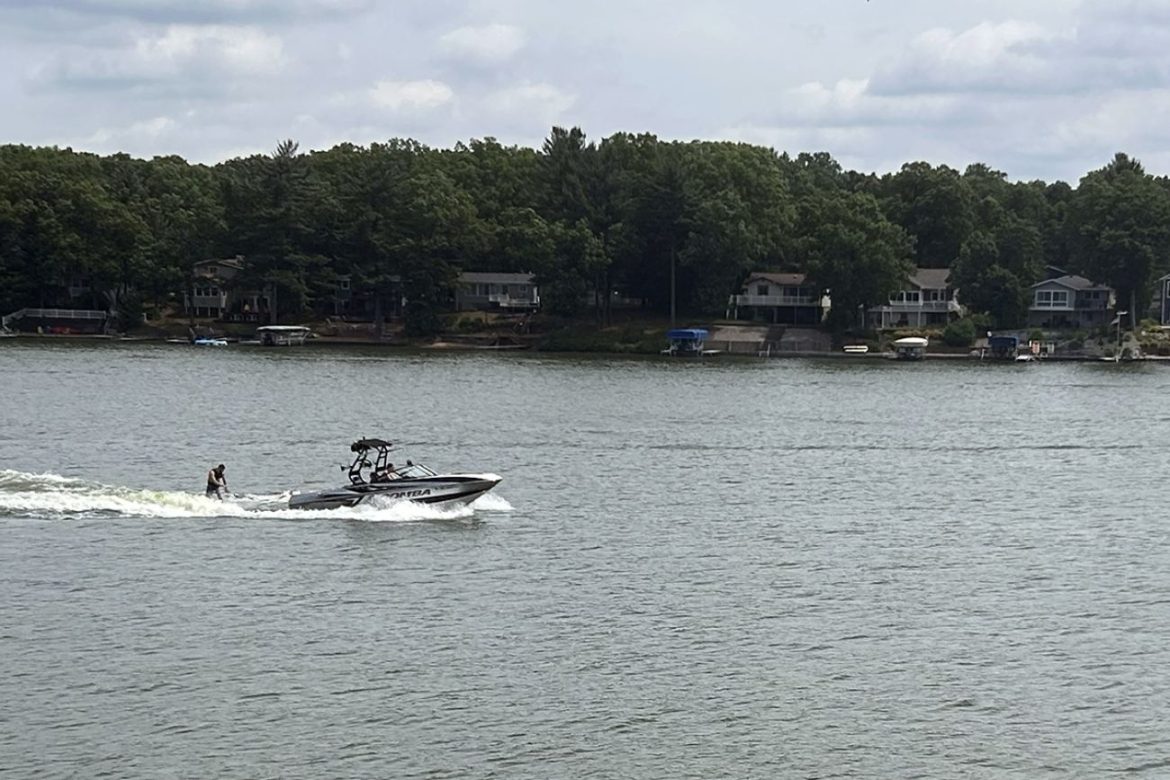
Homeowners and environmental groups are pushing for reforms to restrict
wake boats to deeper areas far from shore, aligning Michigan law with existing guidance from the
Department of Natural Resources. A handful of states including Maine, Vermont and Tennessee in recent years have passed laws limiting wakeboarding to specific areas or deeper waters, while a push to do so in Michigan last year was dead in the water in Lansing. Wake boat enthusiasts say they’re being scapegoated for a larger problem.

By Kayte Marshall
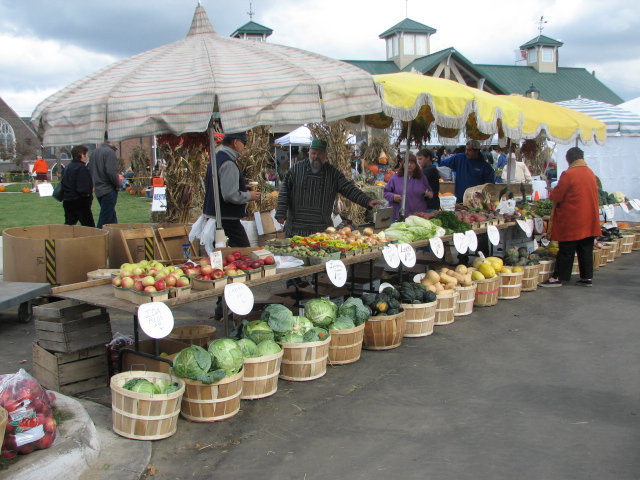
Hail to the annual produce and food crop festivals. We learn about the Shepherd Maple Syrup Festival and Romeo Peach Festival and talk to Pure Michigan.

By Isabella Figueroa
A new book explores how picnics in Michigan’s Upper Peninsula have brought communities together, connecting the past through nature with a shared meal outdoors.
By Kayte Marshall
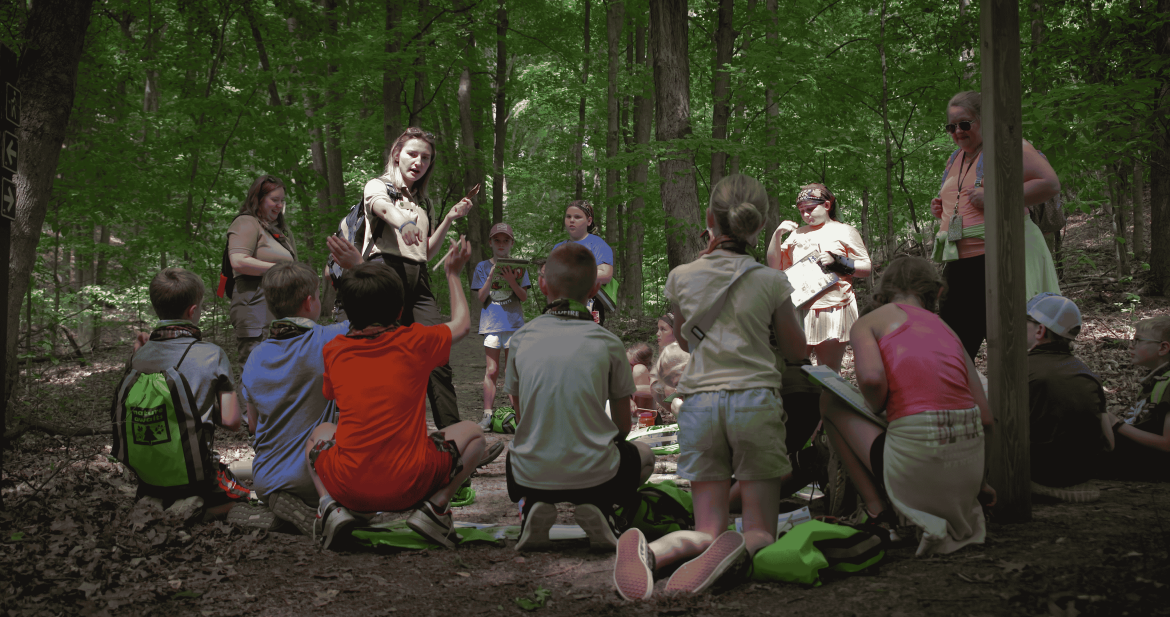
The DNR’s Nature Awaits program brings fourth graders to more than two dozen state parks, including ones in Mattawan, Holland, Paradise, Norton Shores and Detroit.
By Donté Smith
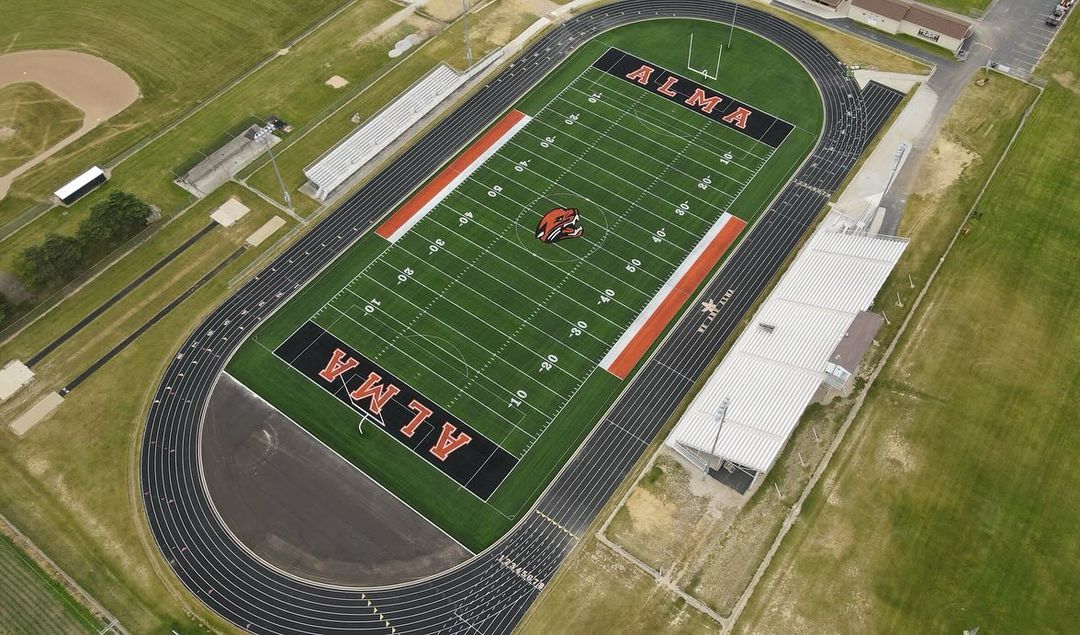
Artificial turf fields are becoming a hallmark at high schools across the state with the Michigan High School Athletic Association reporting around 100 high schools now playing on them.
A study by the University Hospitals Sports Medicine Institute and Case Western Reserve University showed athletes were 58% more likely to sustain an injury during athletic activities on artificial turf, compared to natural surfaces, with significantly higher injury rates observed in football, soccer and rugby.
By Donté Smith
Capital News Service
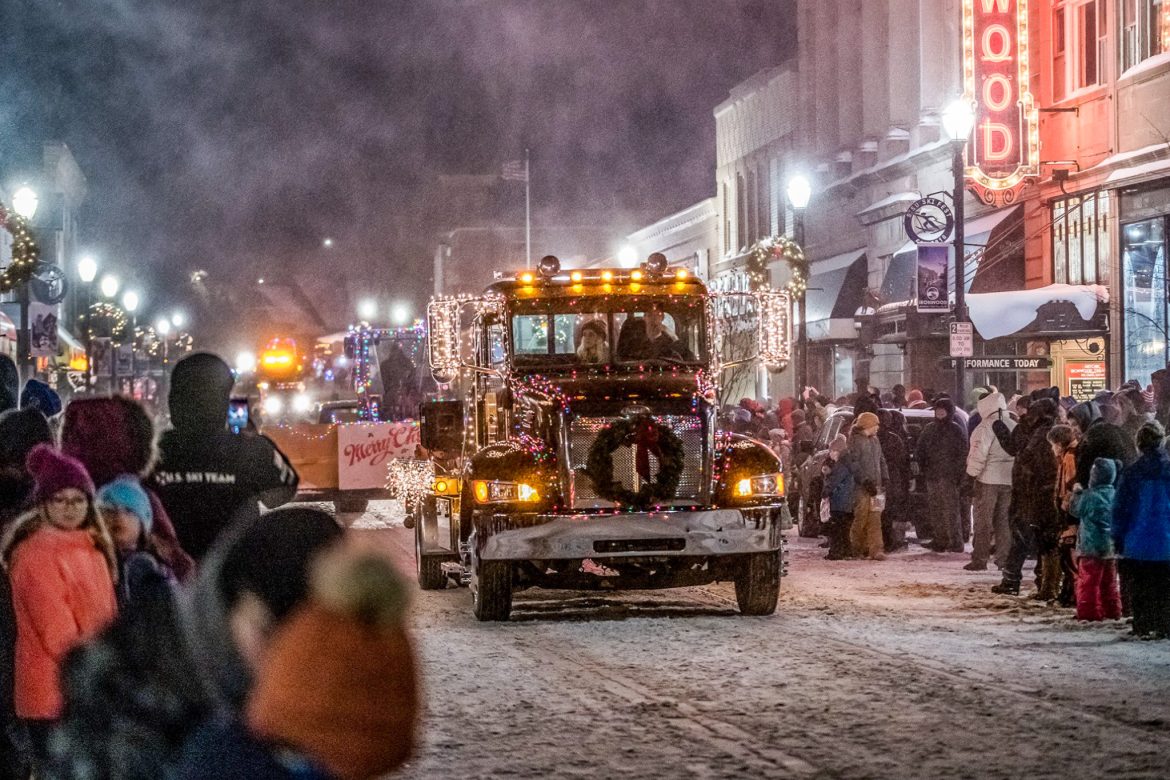
With the National Oceanic and Atmospheric Administration forecasting “warmer-than-average” temperatures for parts of the Great Lakes, Michigan’s winter festivals from Metro Detroit to the Western Upper Peninsula are preparing to adapt. Many, such as Detroit’s Noel Night, Grand Haven’s Winterfest, the Magical Christmas Parade in Zeeland and Holland’s Winter Dutch Fest, count on seasonal cold to enhance their winter ambiance and allure. Detroit resident Dorrian Brooks, a frequent winter festivalgoer, reflected on warmer weather’s impact on these long-standing traditions. “It’s disheartening to imagine a winter festival without the cold and snow – recent warmer winters make the atmosphere feel muted,” she said. According to the National Weather Service, Metro Detroit recorded its fourth-warmest winter on record last year, with average December temperatures rising from 33 degrees in 2022 to 40 degrees in 2023.

By Eric Freedman
Capital News Service
Michigan boasts thousands of miles of trails for snowmobilers, hikers, off-road vehicle operators, dog-walkers, bicyclists, snowshoers and horseback riders, but the Department of Natural Resources needs to improve how it monitors them. That’s the conclusion of the state Auditor General’s Office, which said DNR fell short in monitoring and inspecting the trail system. The office is a nonpartisan legislative agency that assesses how well state programs and departments operate. Its report also said DNR should do better in communicating with county sheriffs’ departments on funding for trail-related law enforcement and safety. The Auditor General said the department failed to notify sheriffs’ offices about $180,000 in additional funding that the Legislature authorized for ORV law enforcement grants in fiscal year 2023.
By Gabrielle Nelson
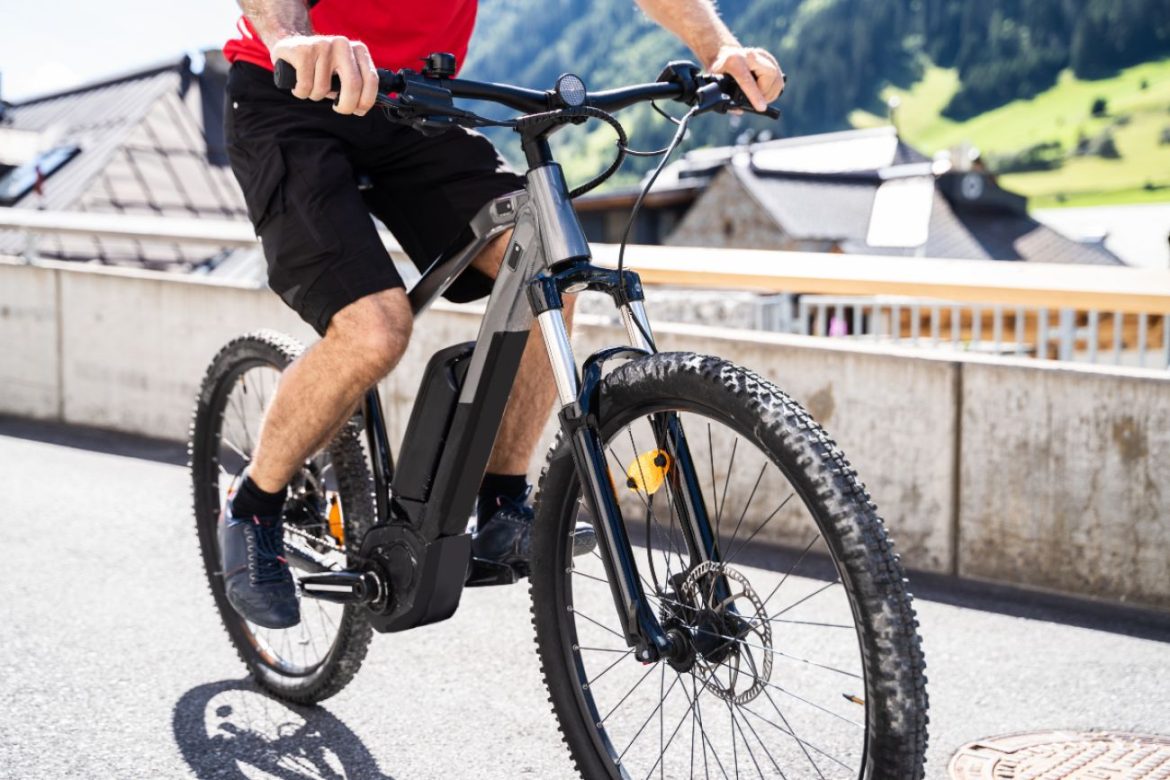
Electric bicycle use is expanding, welcoming a new group of riders to the cycling community. But under current Michigan state park policies, the bikes are banned from many trails. That could soon change. The Department of Natural Resources has proposed a yearlong pilot program that would open 3,000 miles of trails to e-bikes. The change could take effect as early as July.
The most exciting part about removing a dam in a small Michigan city isn’t the demolition, but what comes after.
The Huron River Watershed Council recently estimated the 148-year-old dam In Ypsilanti could come down in 2025 or 2026.
“Place both feet on the ground and take a moment to breathe,” said Malaika Hart Gilpin, executive director of One Art Community Center. “Give ourselves a moment to feel a connection with Mama Earth.”
Chairs and floor slightly vibrate in response. After a short meditation, the reporters attending a recent Society of Environmental Journalists conference in Philadelphia open their eyes.