By Julia Belden
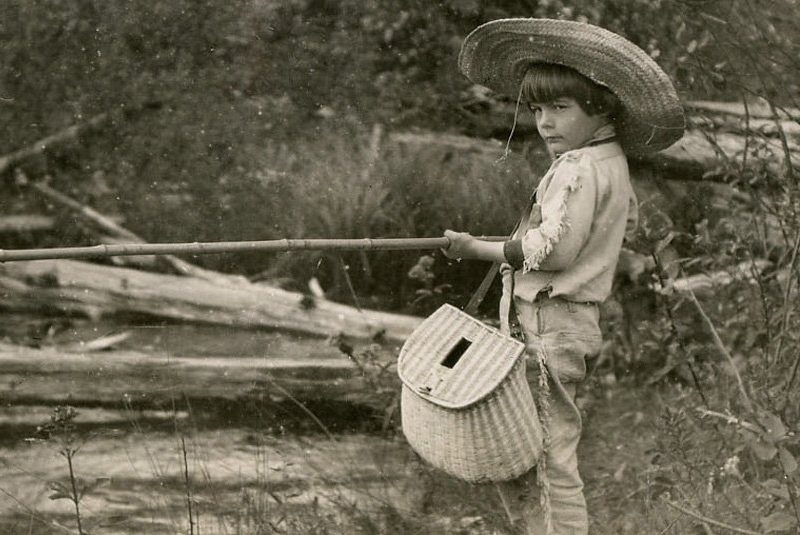
An Alanson-raised author whose book on Ernest Hemingway’s ties to Northern Michigan explains the region’s influence on the novelist’s work. The book “Picturing Hemingway’s Michigan,” has just been released in paperback.
Great Lakes Echo (https://greatlakesecho.org/category/art/)
By Julia Belden
An Alanson-raised author whose book on Ernest Hemingway’s ties to Northern Michigan explains the region’s influence on the novelist’s work. The book “Picturing Hemingway’s Michigan,” has just been released in paperback.
By Clara Lincolnhol
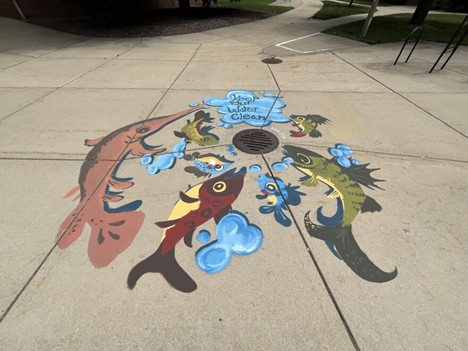
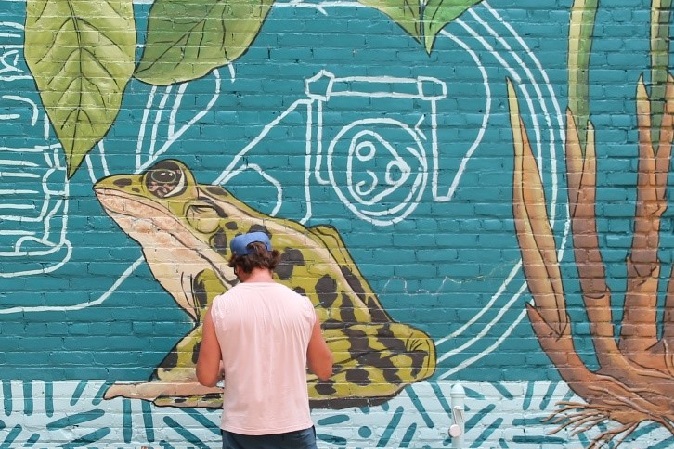
Toledo, Ohio, has a rich Rust Belt history that influences its present-day culture. Local environmental groups and agencies are turning to public art to teach residents that the area’s natural history is just as important.
“Telling this story through something visual that beautifies a community is a great way to educate Toledo residents and reconnect them to nature in the place they call home, said Rob Krain,” executive director for the Black Swamp Conservancy.
By Isabella Figueroa
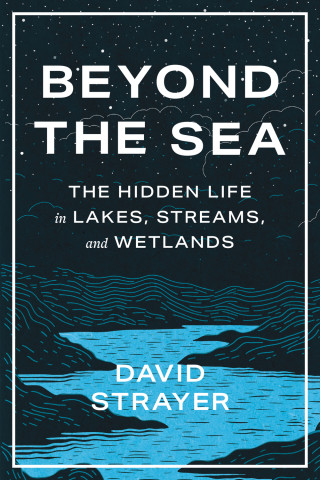
Around 97% of all the water on the planet is in the vast oceans that cover more than two-thirds of its surface. “But Seas are not the only body of water that make Earth special,” ecologist David Strayer writes in his new book. “Beyond the Sea: The Hidden Life in Lakes, Streams, and Wetlands,” presents the lesser-known facts of freshwater ecosystems and how they affect our everyday lives.
Before retiring in 2016, Strayer spent nearly 50 years studying freshwater ecology, most recently at the Cary Institute of Ecosystem Studies, where he developed an expertise in the nearby Hudson River. The book lays out the good, the bad and the ugly of the world’s inland water bodies, which Strayer reports are home to some 2,600 plant species and 150,000 animal species, about half of which are insects. While celebrating that abundance of life the book doesn’t shy away from the serious threats and challenges that inland waters face, including pollution, invasive species, climate change and the damaging impacts of dams and water diversions.
By Jada Vasser
Reusing materials in creative ways is a lifelong obsession for Ang Adamiak – one that led her to launch a nonprofit. Even though these days she says she’s mostly “in an office writing grants” while her staff is out doing “interesting work,” building partnerships around the sustainable reuse of materials still fuels her. “We’re always looking for ways that we can be in relationship with other organizations, whether they’re bigger or smaller than us,” she told Planet Detroit. Peg Upmeyer launched Arts & Scraps in 1989, and Adamiak has served as its executive director since 2018. The organization aims to bring the people of Detroit together by “providing reused materials and educational resources to promote sustainability and creativity.”
The nonprofit serves the community through its Creative Reuse Community Store and educational STEM programs.
And now, Arts & Scrap’s model for reusing materials and reducing waste is part of the city’s effort to combat climate change as part of the Detroit Climate Strategy.
The city awarded Arts & Scraps a $5,000 climate action project grant to reach more families through the nonprofit organization Brilliant Detroit.
Readers across the Great Lakes states and Canada this year will participate in a basin-wide book club hosted by the Library of the Great Lakes.
From now until September 2025 participants will read Michigan author Sally Cole-Misch’s The Best Part of Us and Ontario author Joanne Robertson’s children’s book, The Water Walker.
Jane Elder once escorted a live cormorant to a Congressional hearing.
Elder, then a Sierra Club lobbyist, and James Ludwig, a Great Lakes ecologist, in 1989 drove the bird named Cosmos from Michigan’s Upper Peninsula to Washington D.C.
Sitting at 26 miles long and 24 miles wide with nearly one-third of the sport fishing catch annually in the Great Lakes region, Lake St. Clair should be a household name.
Author Daniel Harrison would tell you it’s his hidden jewel.
Fifteen years in the making, The Breeding Birds of Minnesota is the first all-encompassing Minnesota breeding bird book in nearly a century.
Made for casual bird lovers and for professional ornithologists, the book features 250 breeding bird species in Minnesota. It will be available in April.
The fall of salmon in the Great Lakes can be seen as a good thing ecologically as some people prefer native species, said a Michigan biologist and author.
But the personal perspective and the local impact often is forgotten.
Three Michigan artists are spreading awareness about the value of the Great Lakes through creating trash murals, shredding waves and telling legends about shipwrecks.
Hannah Tizedes spends her time along the shores of the Great Lakes not sunbathing nor swimming, but collecting trash to make art.
Michigan photographer Danielle Jorae wrote, designed and published Lighthouses of Michigan-Lower Peninsula to fulfill a wish of her childhood self.
“I ran across a document from when I was in kindergarten that outlined how I wanted to become an artist and a writer one day,”