Rising water makes Lake Michigan wetlands vulnerable to invaders

European frogbit, an invasive species, has been documented in Wisconsin, where it could threaten native plants, fish and invertebrates. The small, green, heart-shaped lily pad, forms dense mats along the surface of the water, blocking out sunlight that submergent plants need to survive.
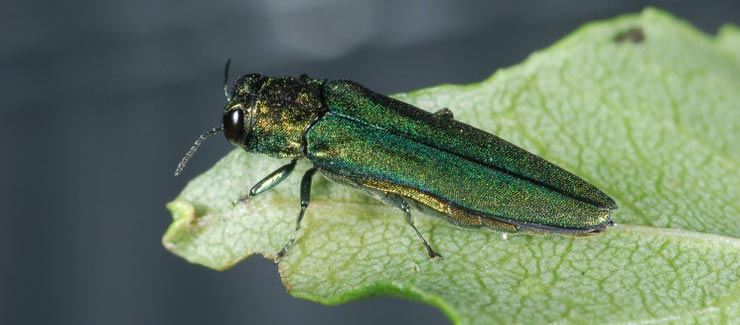
Emerald ash borer turns forest into wetlands

The invasive emerald ash borer has the potential to destroy over 3 million acres of black ash wetlands across the region, according to a recent study published in the journal Ecological Applications. 

The pandemic that closed the U.S./Canadian border to people may have opened it to the invasive sea lamprey

Great Lakes invasive species cling to shipments and navigate canals to migrate, but one aquatic invader – sea lamprey – benefitted from border closures instead. During 2020, 93 Great Lakes tributaries and 11 standing bodies of water were scheduled for chemical treatments for lamprey, but only 26 tributaries and six standing bodies of water were completed.

Invasive species now called spongy moth

The bothersome gypsy moth will now be known as the spongy moth. The Entomological Society of America made the change because the word “gypsy” is considered a derogatory slur against the Romani people. The word was dropped from its list of common names last July and the new name was just announced.