Skip to content
  • logo
  • logo
  • Home
  • Solutions
  • Agriculture
  • Water
  • Cities & Suburbs
  • Nearshore
  • Recreation
  • Wildlife
  • Energy
  • Waste
  • About
  • Contact

Great Lakes Echo - Environmental news of the Great Lakes region

Great Lakes Echo (https://greatlakesecho.org/tag/fish/page/10/)
  • Home
  • Solutions
  • Agriculture
  • Water
  • Cities & Suburbs
  • Nearshore
  • Recreation
  • Wildlife
  • Energy
  • Waste
  • About
  • Contact
Subscribe

Fish

Wildlife

Shrinking alewife population could deplete Great Lakes salmon

By Guest Contributor | May 28, 2015

The alewife, once the most hated fish in the Great Lakes, is now facing steep declines in population, but it’s not a cause for celebration.
Wildlife

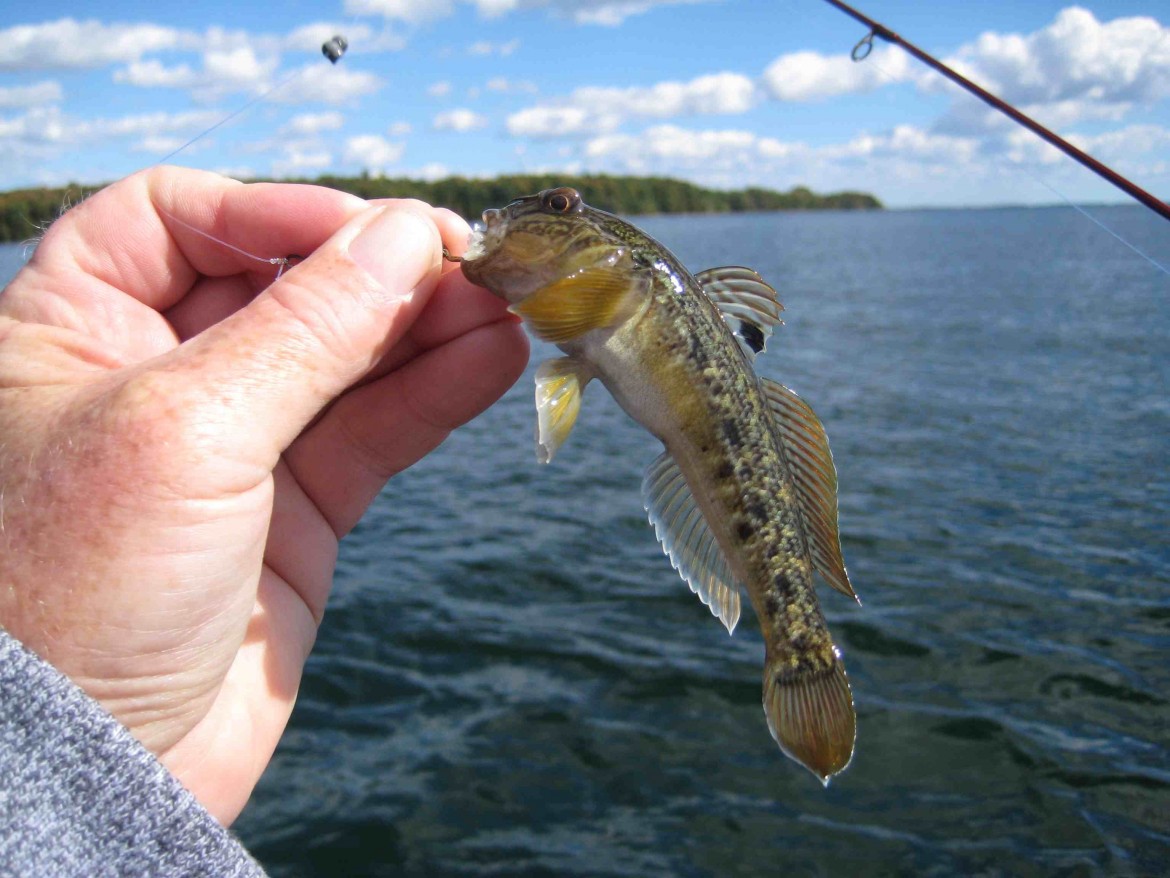
Some ostracods survive goby guts

By Mollie Liskiewicz | May 18, 2015

Survival provides insight into fish as agents of species dispersal.

Wildlife

Fake reefs are good for fishing – how about for the fish?

By Eric Freedman | May 14, 2015

While they attract fish to eat and spawn, artificial reefs in the Great Lakes need to be monitored longer to evaluate their success, according to a new study.

Wildlife

New Michigan fishing regs allow year round catch and release of bass

By Logan Clark | May 8, 2015

Some anglers worry about longterm harm.
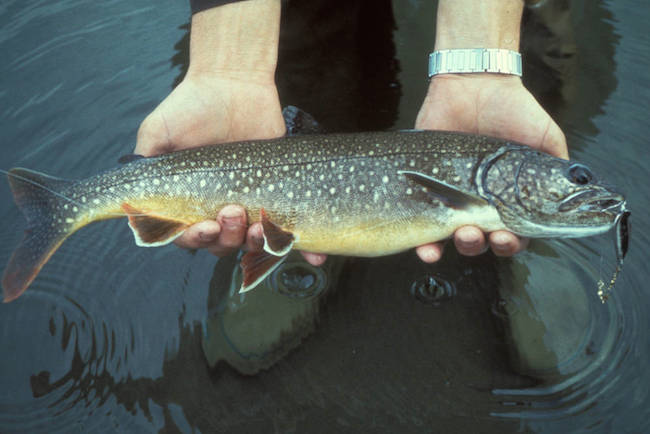
Take our fish quiz.
Wildlife

What Great Lakes game fish should you be fishing for?

By Logan Clark | May 8, 2015

Take our quiz. Related story.  

What Great Lakes Game Fish Should You Be Fishing For? by ProProfs
Wildlife

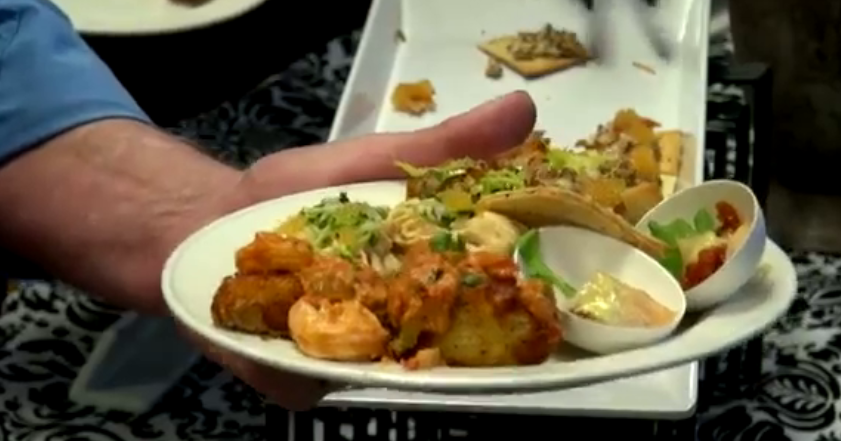
Chefs prepare Michigan fish feast

By Greg Monahan | March 27, 2015

A daylong examination of the potential of Michigan aquaculture ended with a fish feast.

Wildlife

Seafood Summit explores future of Michigan aquaculture

By Guest Contributor | March 25, 2015

Michigan Sea Grant Director Jim Diana says Michigan could boost its seafood industry by investing in aquaculture.

Wildlife

Hormone-mimickers widespread in Great Lakes waterways, fish

By | March 25, 2015

Great Lakes waterways are contaminated with known endocrine disrupting compounds; scientists warn that fish are at risk

Wildlife

New fish vaccine technique could save fledgling industry time, money

By Eamon Devlin | March 13, 2015

It goes into different nostrils, allowing two different kinds to be administered at once without limiting their effectiveness.

Wildlife

Fish farmer says regulatory hurdles hinder industry expansion

By By Colleen Otte | March 12, 2015

Experts say that fish farms can efficiently produce protein to meet the demands of a growing population and help rural economies.

Load more articles

About Great Lakes Echo

Environmental news of the Great Lakes region from the Knight Center for Environmental Journalism at Michigan State University.

  • Mussels in a green net.
    Endangered spectaclecase mussels reintroduced into the Chippewa River

    By Ada Tussing To combat the population loss of spectaclecase mussels, researchers with both the Minnesota and the Wisconsin Department of Natural Resources released over 177 mussels into the Chippewa River in Northwest Wisconsin.

  • Michigan allocates $77 million to clean thousands of contaminated sites

    By Clara Lincolnhol Michigan is pouring $77 million into clean-up of contaminated abandoned real estate such as former factories. The director of the Department of Environment, Great Lakes and Energy says the goal is to make the cleaned-up sites safe for housing, commercial developments and other uses.

  • Winter makes curved roads dangerous; researchers seek solutions

    By Eric Freedman Flashing light on warning signs near curves can slow drivers and reduce the odds of a crash during winter weather conditions, says a new study by Michigan State University engineers.

  • The cover of “Dead Moose on Isle Royale: Off Trail with the Citizen Scientists of the Wolf-Moose Project." The cover is moose antlers on the ground.
    Great Lakes books for your holiday gift list 

    By Eric Freedman   Looking for a holiday gift for a reader who loves the Great Lakes? Here are five prospects to consider – and what our reporters learned from interviewing their authors this year.

  • A side-by-side of the historic Portage Canal and modern Portage Canal from an aerial view.
    Restoration of historical site improves quality of life for Portage, Wisconsin residents

    By Joshua Kim Following the completion of segments 1 and 2 of the Portage Canal, local residents and visitors can use the historic site and its amenities following years of disrepair.

  • What herring gulls tell us about plastic pollution

    By Victoria Witke Christina Petalas, a doctoral student McGill University, studies herring gulls to learn about plastic pollution near the St. Lawrence River. Across two studies, she found plastic additives in every bird sampled, which could have human health consequences.

  • Scientists update geological map of northern Wisconsin, Michigan’s Upper Peninsula 

    By Kyrmyzy Turebayeva The U.S. Geological Survey has began large-scale low-level airplane flights over Michigan's Upper Peninsula and northern Wisconsin to obtain high-resolution data on subsurface mineral structures and bedrock composition. The data will be used to create two- and three-dimensional maps to better understand the geological structure at depths of about 10,000 feet.

  • ‘Refusal is insisting on your own terms’: Indigenous activism in the Midwest

    By Isabella Figueroa Nogueira “Indigenous Activism in the Midwest: Refusal, Resurgence and Resisting Settler Colonialism” explores how Dakota and Anishinaabe communities in Minnesota continue their relationships to the land and challenge dominant settler narratives about ownership, belonging and identity.

  • Cannabis workers are developing job-related asthma and some have died, study says

    By Clara Lincolnhol New research says workers picking, grinding and packaging cannabis are developing workplace-related asthma, and two deaths have occurred so far.

  • Swiss researcher studies ‘abandonment tourism’ in Detroit

    By Camila Bello Castro A recent case study of a former “abandonment tourism” business in Detroit found a disconnect between the lived experience of many city residents and the lives of the tour participants who were generally white, younger and more international than most Detroiters and generally first-time visitors to the city.

  • Great Lakes Echo

Contact Us

Email: GreatLakesEcho@gmail.com
Phone: 517-432-1415

Search This Site

Browse Archives

© Copyright 2025, Great Lakes Echo

Built with the Largo WordPress Theme from the Institute for Nonprofit News.

Back to top ↑