Agriculture
Grants will boost research on PFAS contamination of farmland
|
By Karlee VanAntwerp
The Michigan Department of Agriculture and Rural Development will give out $400,000 in grants for research about PFAS on farmlands and livestock.
Great Lakes Echo (https://greatlakesecho.org/prominence/homepage-featured/page/2/)
If you are using the Newspaper or Carousel optional homepage layout, add this label to posts to display them in the featured area on the homepage.

By Karlee VanAntwerp
The Michigan Department of Agriculture and Rural Development will give out $400,000 in grants for research about PFAS on farmlands and livestock.
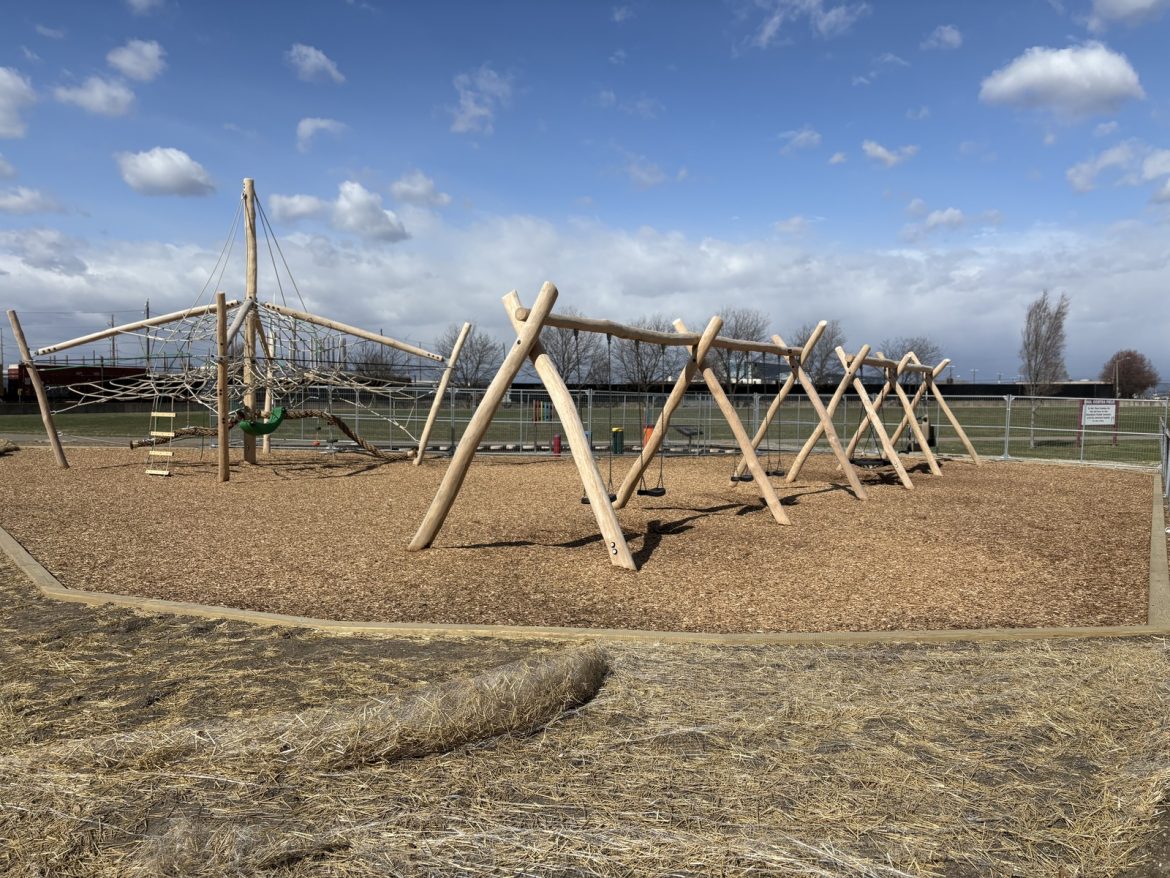
By Samantha Plunkett
For residents of Dearborn, Michigan, creating greenspaces in the community has been an important mission for schools and researchers. In a recent study, academics from the University of Michigan-Dearborn partnered with Salina schools to assess their outdoor play spaces.
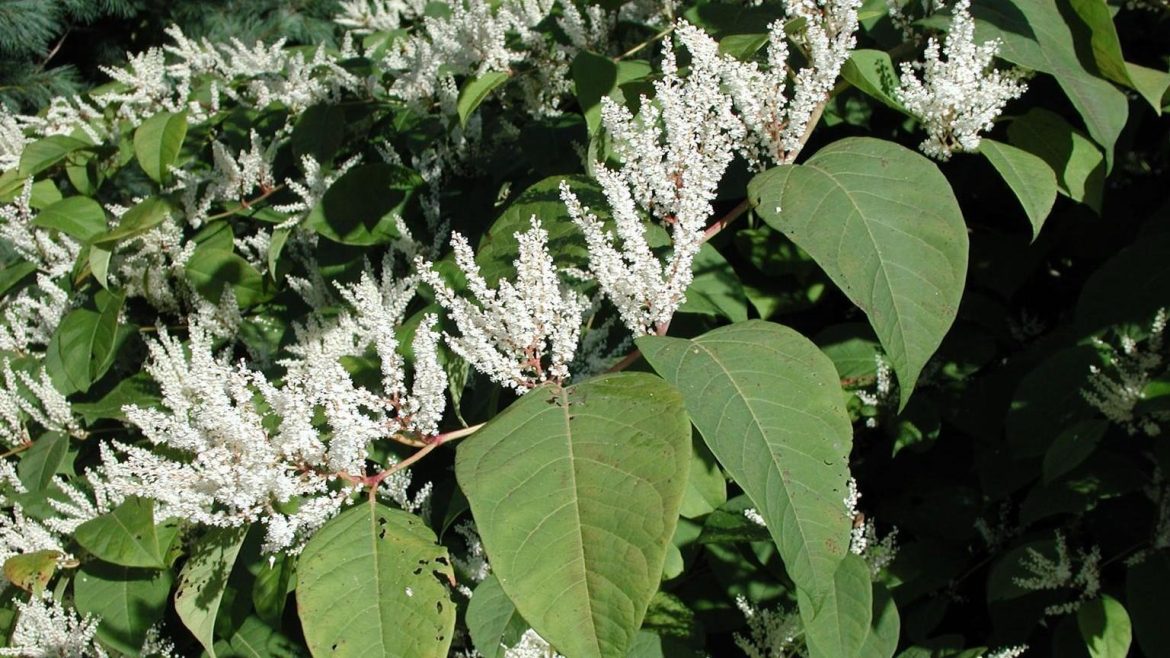
Michigan reduced funding for invasive species projects by $1.2 million. Conservation organizations like the regional Cooperative Invasive Species Management Areas (CISMAs) are rethinking their funding priorities for 2026 and beyond.
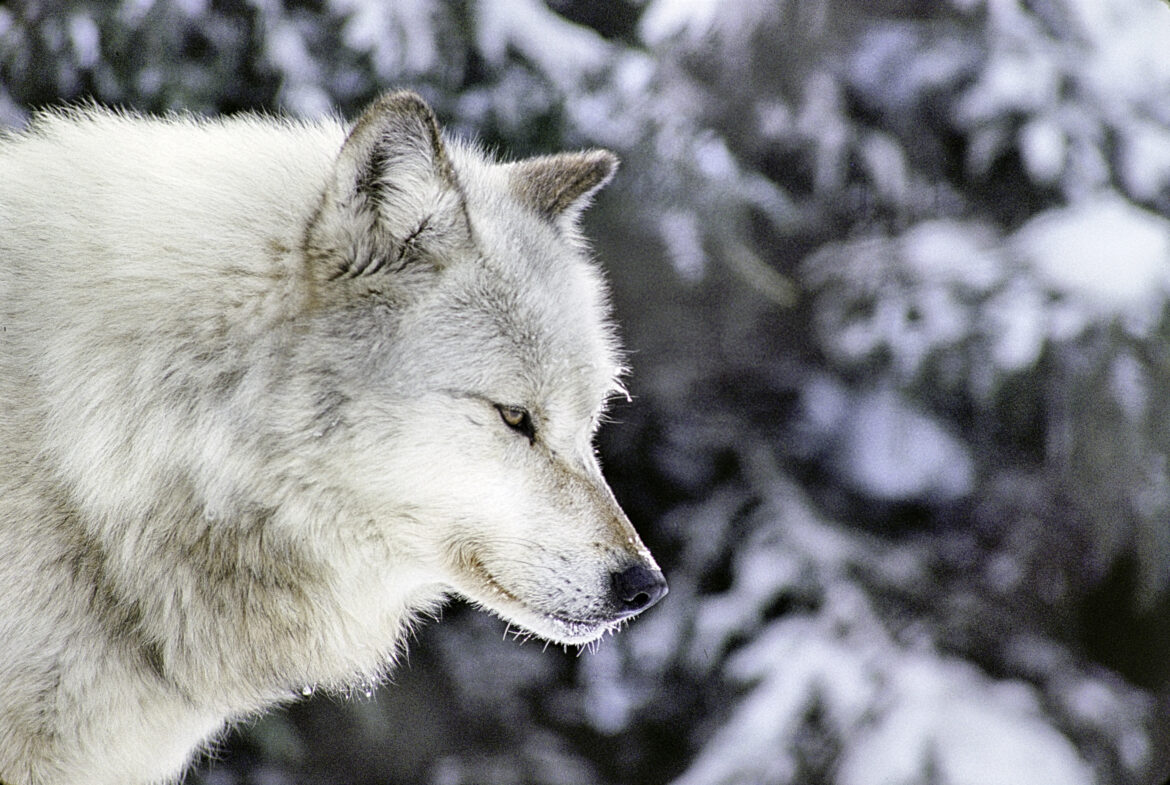
By Sonja Krohn
Even though the grey wolf is classified as an endangered species, a new study found that the majority of Michigan’s recorded wolf deaths are caused by humans.

By Joshua Kim
A new book, “Wrecked: The Edmund Fitzgerald and the Sinking of the American Economy” (Michigan State University Press, $29.95), uncovers more of the political and legal aspects of the legendary Edmund Fitzgerald shipwreck.
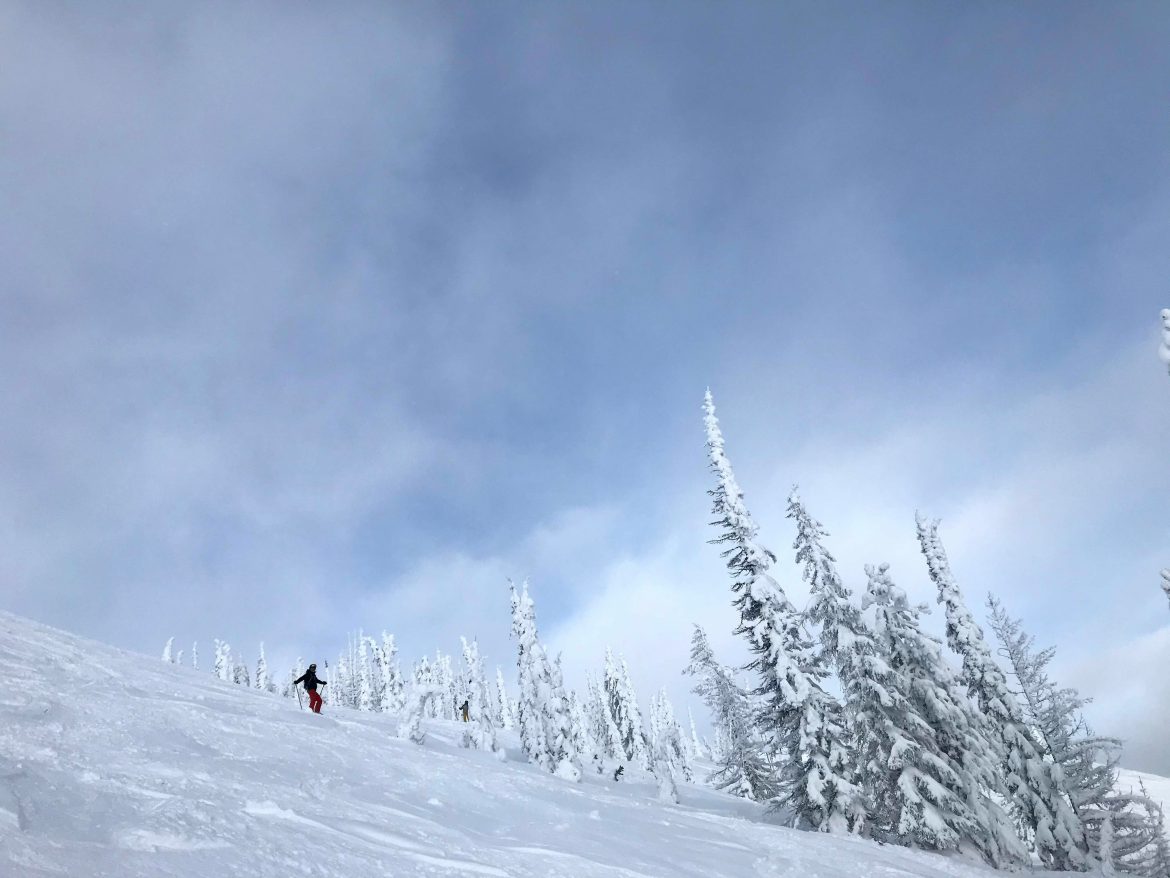
By Amelia Fraser
When many people think of winter sports and hobbies, snow often comes to mind. But what happens when the snow is no longer around? Climate change studies have shown that as the planet warms, snowfall will decline, leaving skiing, snowboarding and other winter sports at risk of fading into memory.
By Samantha Ku
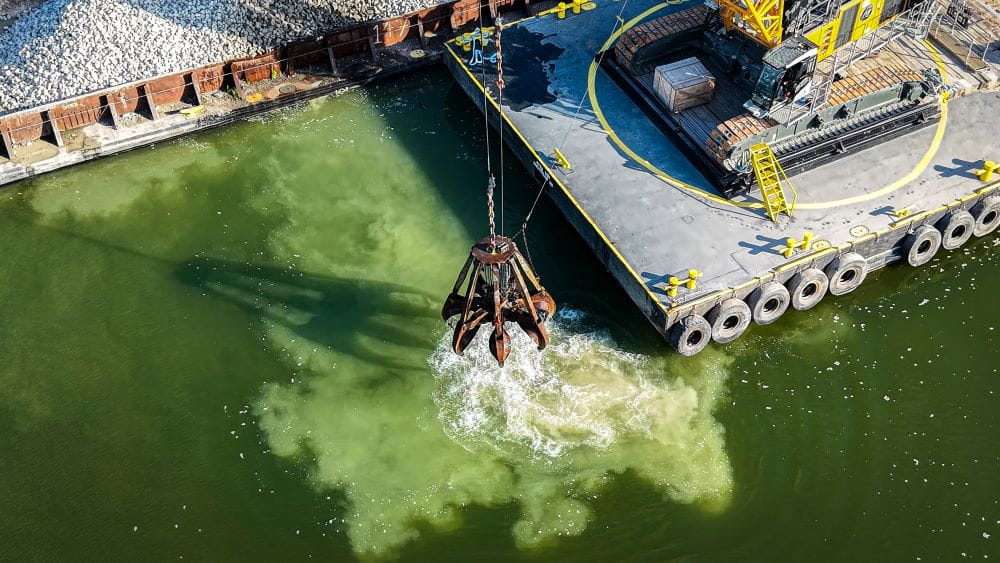
A newly restored reef at Channel Island in Saginaw Bay is intended to support native fish spawning and increase their numbers, ensuring the sustainability of local fisheries. Construction to restore the nearshore fish spawning reef ended last October.
By Riley Wilson
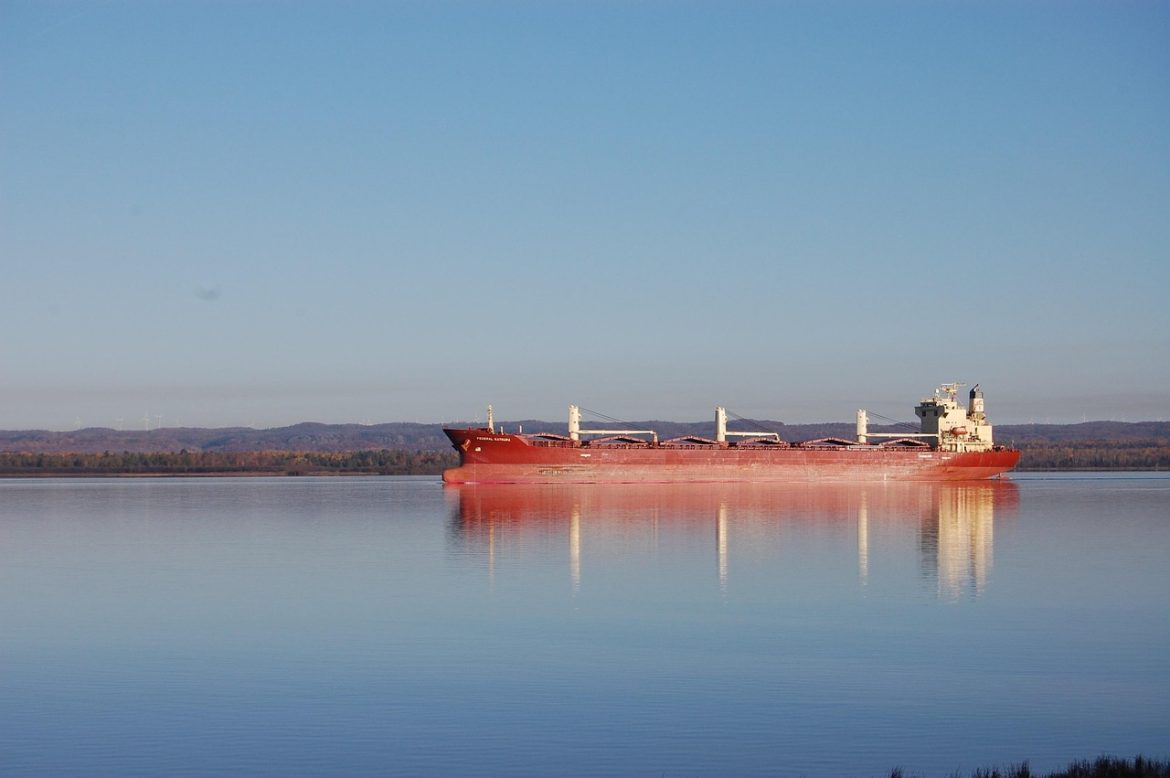
Climate change, invasive species and other human-driven pressures are among the leading causes of declining freshwater health in the Great Lakes, the National Wildlife Federation reports. There’s a growing need for community engagement to protect the lakes, one study finds.
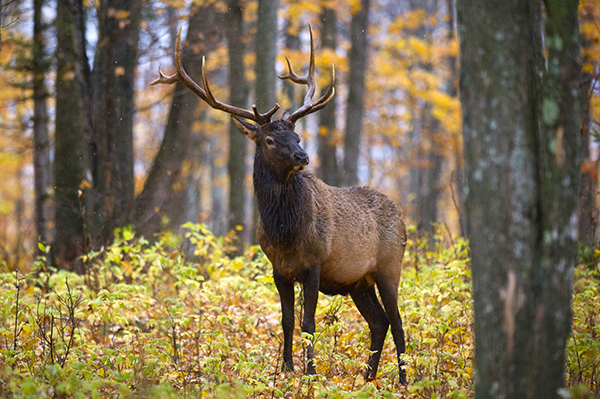
The Michigan DNR received a record 47,493 applications for 260 elk licenses in 2025. The state is considering changes in its regulations for elk hunting season in Pigeon River Country State Forest and an area near Gaylord.
By Akia Thrower
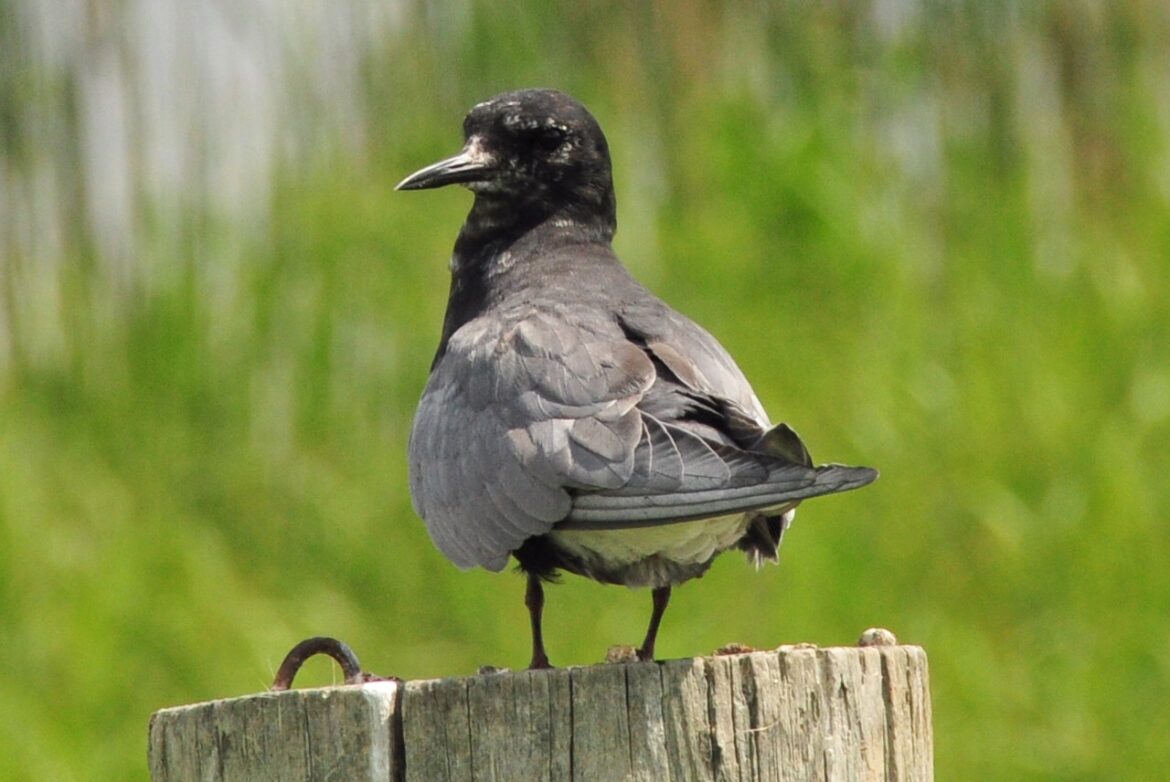
The 2025 State of the Birds report, an evaluation of U.S. birds by conservation organizations, showed a continued decline in bird populations across the nation. The decline is largely due to the habitat loss of wetlands.