Endangered species protection is proposed for two freshwater mussels

Two funny-named species of freshwater mussels currently found in rivers of the Great Lake states were recently proposed for Endangered Species Act protection.

The rayed bean and snuffbox mussels were recently proposed to be listed as endangered by the U.S. Fish and Wildlife Service. Chemical contaminants, sedimentation, nonpoint source pollution and mining are threats to their habitat’s water quality, according to the service.

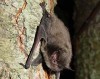
Indiana bat

Bat-killing disease approaching Michigan could affect agriculture and ash borers

Michigan’s bats are under attack — not from tennis racquet-swinging bat swatters or vampire-hunters but principally from a deadly fungus with the potential to disrupt the ecosystem.

Nationwide, white-nose syndrome has wiped out an estimated 1 million bats since it was initially seen in a New York cave in 2006. Since then, it’s been identified in 14 states and two Canadian provinces and is moving westward.

Gulf oil Great Lakes update: Backyard rescue efforts not much help for small birds

Last month Echo reported that Great Lakes migratory birds are threatened by the Gulf oil spill. Regional bird expert Francie Cuthbert, a University of Minnesota professor, was busy with fieldwork when we tried to reach her then. But she got back with us for this update:
Female Great Lakes piping plovers will head south for the winter ahead of the males in a couple weeks. Since nothing is cleaned up, they will almost certainly be affected by the spill, Cuthbert says. She expects only a small percentage of plovers that come in contact with the oil to survive.

Great Lakes researchers mobilize wasps to combat emerald ash borer

Researchers are increasingly recruiting different wasp warriors in the battle against the emerald ash borer, a destructive, tree-eating beetle that has infiltrated the entire Great Lakes region.

Costly insecticides, tree-removal strategies and bans on moving firewood have provided some defense against the critter.

But a bug-on-bug battle strategy appears to hold promise.

Cougar country: Big cats confirmed in Ontario and likely in Michigan

Whether cougars are prowling around Michigan and Ontario has been a small mystery. Michigan’s last known cougar was killed in 1906, and Ontario’s was shot in 1884. But evidence that they’re back is piling up. The Ontario Ministry of Natural Resources confirmed the cats are back after biologists checked out scat, tracks and DNA in a three-phase, four-year study, reports Raveena Aulakh for the Toronto Star. The Michigan Department of Natural Resources and Environment recently released a trail camera photo of a vaguely feline blur in the Upper Peninsula.