Video details Great Lakes governors’ protection efforts


A video featuring former governors, scientists and policy experts details projects financed by the Great Lakes Protection Fund. The fund has committed more than $63.9 million to 245 projects to advance conservation, produce sustainable technologies and restore ecosystems in an economically viable way. It was endowed in 1989 by former Great Lakes governors with an $81 million contribution of public funds. About $4 million a year is spent on projects, which are funded by the interest off the endowment, said Amy Elledge, communications director for the fund. Featured projects include scientists designing ballast filters and policy experts discussing ways to make sustainability marketable.

Ag industry hopes to grow high-tech workers

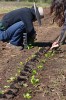
Michigan agriculture is struggling to find qualified workers to fill positions at all levels, and one challenge is informing potential employees that modern agriculture is a high-tech industry in need of people with the right skills, according to the Michigan Agri-Business Association.

At an egg factory, a robot counts how many eggs each chicken has laid. A computer detects the purity of each egg, and checks for cracks.At a dairy farm, a computer calculates how much milk cows can produce each day by recognizing unique IDs on their tags.

And association President Jim Byrum said, “Agriculture is being revolutionized by cutting-edge technology and scientific advancements.”

Stop blaming the Army Corps of Engineers

The Army Corps of Engineers is a convenient scapegoat but it’s only a small part of a broader federal let down on the Asian carp issue.

Meanwhile, things are heating up with the Waukesha, Wis., request to divert Lake Michigan water. Is the request for an expanded service area a red flag?

A dozen Michigan organizations receive specialty crop grants

This October in Michigan the federal government awarded grants to a dozen food and agriculture organizations for projects that include improving fruit production, promoting cleaner soil and studying crop pollination. The $1.3 million is divided among 12 recipients, including the Michigan Vegetable Council in Erie, Michigan Farm Bureau in Lansing, Lakeshore Environmental Inc. in Grand Haven and Michigan State University in East Lansing.

These organizations and their projects were selected by the state Department of Agriculture and Rural Development to receive the federal grants.

Students use social media to gather climate change information

A group of Central Michigan University students is using social media to gather information on climate change and periodic natural events, in the Great Lakes region. Tom Rohrer, the director of the Great Lakes Institute for Sustainable Systems at Central Michigan University,  and his students created a Facebook page called  “Climate Change in the Great Lakes Basin.”  On the page students post studies, articles, pictures and other observation, which address changing weather patterns. The page is also open for the public to post  their observations, creating a free and vast collection of climate change information. The project stems from a CMU course taught by Rohrer on building sustainability. The idea came during a class discussion on how to influence people do to the right thing for the environment, he said.

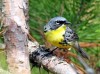
State bird capital is dead duck

Iosco County would become tMichigan’s birding capital under a legislative proposal that’s a dead duck — at least for this year.

The bill stems from work that an Oscoda woman did with the sponsor, Sen. John Moolenaar, R-Midland, to make Iosco County a destination for bird watching tourism.