By Bauyrzhan Zhaxylykov
Across Michigan, religious institutions, local governments, schools and nonprofits are turning to a federal program called Elective Pay to help pay for solar panels and other clean-energy projects.
Great Lakes Echo (https://greatlakesecho.org/category/solutions/)
Stories that offer environmental solutions.
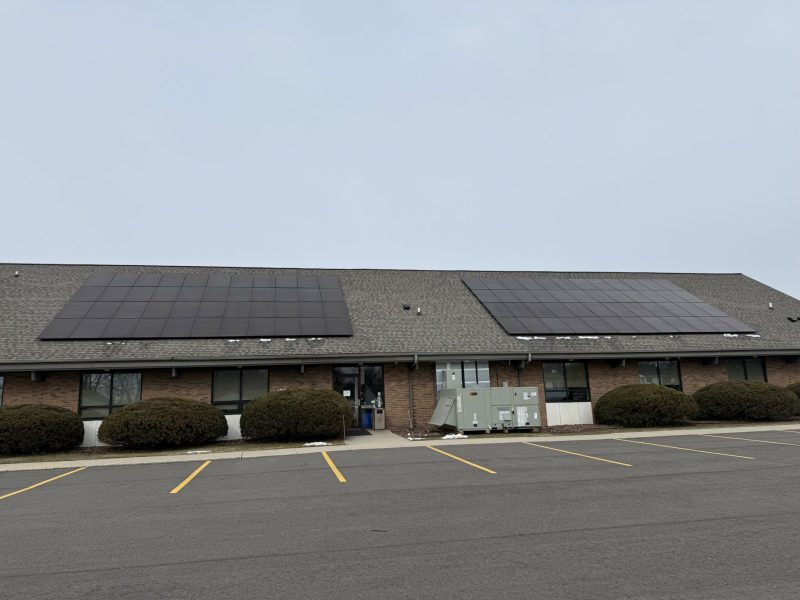
By Bauyrzhan Zhaxylykov
Across Michigan, religious institutions, local governments, schools and nonprofits are turning to a federal program called Elective Pay to help pay for solar panels and other clean-energy projects.

By Kyrmyzy Turebayeva
More than 30 years ago, a group of scientists planted just 4,200 seeds of the rare Pitcher’s thistle in the sandy dunes of the Great Lakes. At the time, no one knew if the new populations would survive. Today, three decades later, the restored populations are thriving and spreading.

By Eric Freedman
Flashing light on warning signs near curves can slow drivers and reduce the odds of a crash during winter weather conditions, says a new study by Michigan State University engineers.

By Anna Barnes
The Detroit River serves as an important geographic feature, connecting lakes St. Clair and Erie and creating a natural border between the U.S. and Canada. Despite its physical prominence in Detroit, its rich cultural significance is lost among many community residents. Programs are underway to address that disconnect.

By Mia Litzenberg
Climate change is creating new challenges for Great Lakes coastal communities. To tackle these hazards, the Niagara Peninsula Conservation Authority launched the Lake Ontario Coastal Resilience Pilot Project last summer. Over the next four years, the project aims to engage communities in developing a coastal resilience plan.
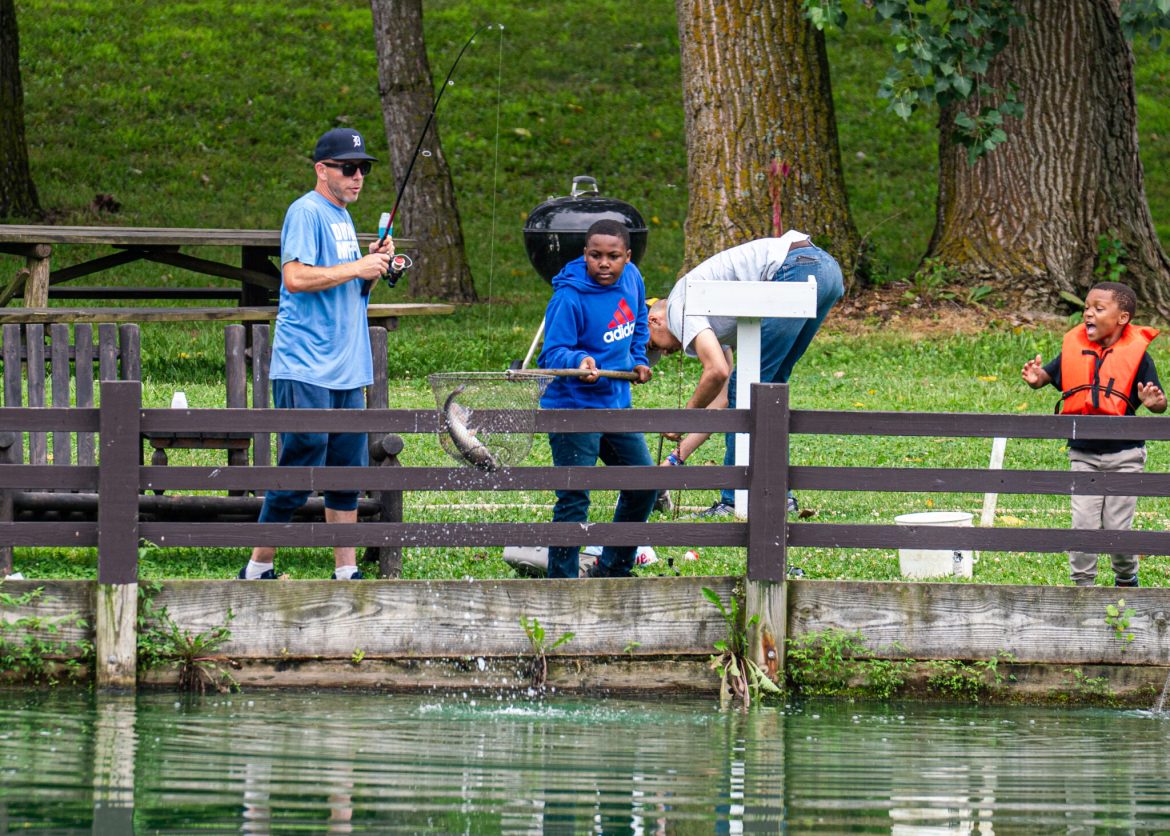
By Donté Smith
Despite being surrounded by the largest group of freshwater lakes on Earth, Michigan imports the vast majority of its seafood, between 65% and 90%, according to Michigan Sea Grant. As global aquaculture has grown to meet increasing demand for protein, a small but determined group of inland fish farmers in the Great Lakes region are building a more sustainable, local supply. Researchers say doing so could ease pressure on wild populations, create jobs in rural areas and help restore public trust in the food on their plates. But with high regulatory costs, limited consumer awareness and strong competition from imports, these farms face an uphill swim.
By Emilio Perez Ibarguen
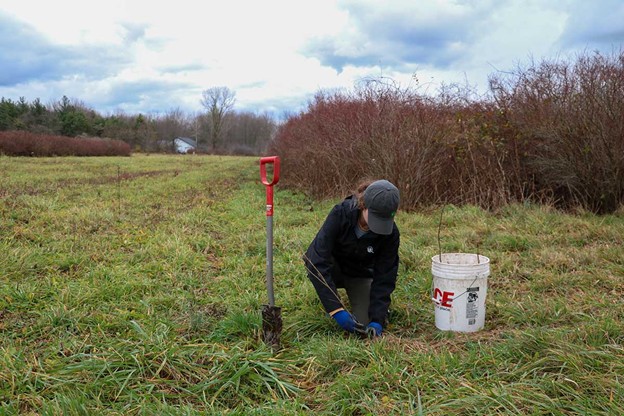
In 2023, community organizers from the outdoor Discovery Center, an outdoor education and conservation-focused nonprofit in Holland, Michigan looked for ways to further sustainability efforts in the west Michigan community. This led to a partnership with another local nonprofit to create the Carbon Community Fund, which accepts donations from residents to fund local conservation efforts.

By Rachel Lewis
With the goal of cutting food waste by 50% from 2005 levels by 2030, The Michigan Department of Environment, Great Lakes and Energy (EGLE) has been helping to fund NextCycle Michigan. This program gives grants and advice to small companies in the state looking to reduce food waste. One of these start-ups is Penny Pickup. With robot food delivery vehicles becoming more popular, the company Orange Sparkle Ball decided to launch Penny Pickup as a pickup service, instead of delivery. Its focus is to remove trash and unwanted items, primarily food waste.

By Rachel Lewis
The Great Lakes Fishery Commission will receive a $2.1 million grant from the Environmental Protection Agency to address the invasive sea lamprey in the Grand River in Grand Rapids, Michigan.
By Donté Smith
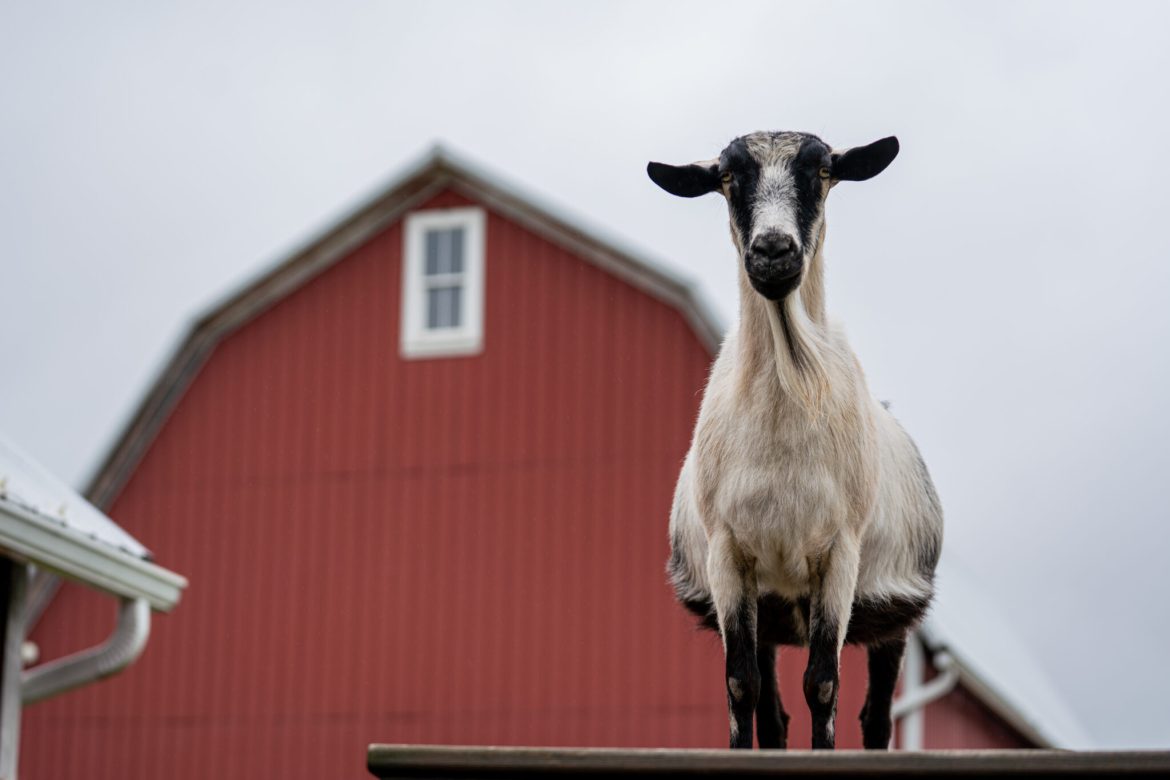
The Great Lakes, a vital freshwater expanse for millions, face an ongoing environmental crisis. Beneath the vast waters lies a significant threat: pollution stemming largely from agricultural runoff. This flow of excess nutrients like phosphorus and nitrogen contributes to harmful algal blooms and expanding “dead zones,” jeopardizing ecosystems, water quality and public health across the region. Amidst these challenges, Barn Sanctuary in Chelsea, Michigan, works to make a positive impact on the region. Tom McKernan, sanctuary co-founder and operations director, wants the farm to stand as a living model where animal welfare and ecological stewardship aren’t just compatible, but linked.
By Rachel Lewis
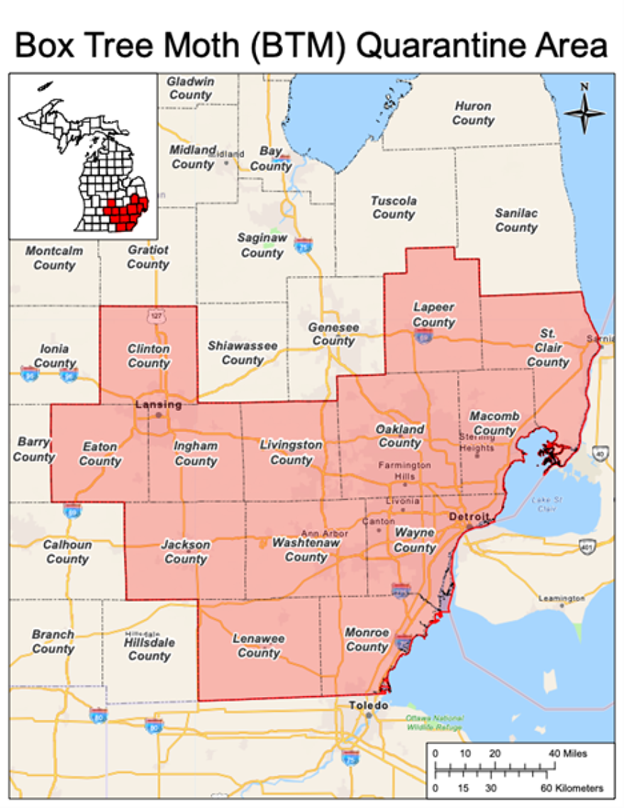
Boxwood shrubs are popular in Michigan because they add greenery in winter months and deer don’t eat them. They had no predators until 2021, when the box tree moth was discovered in New York. Quarantine areas have grown from 11 to 13 counties in Michigan over the last two years.