By Isabella Figueroa Nogueira
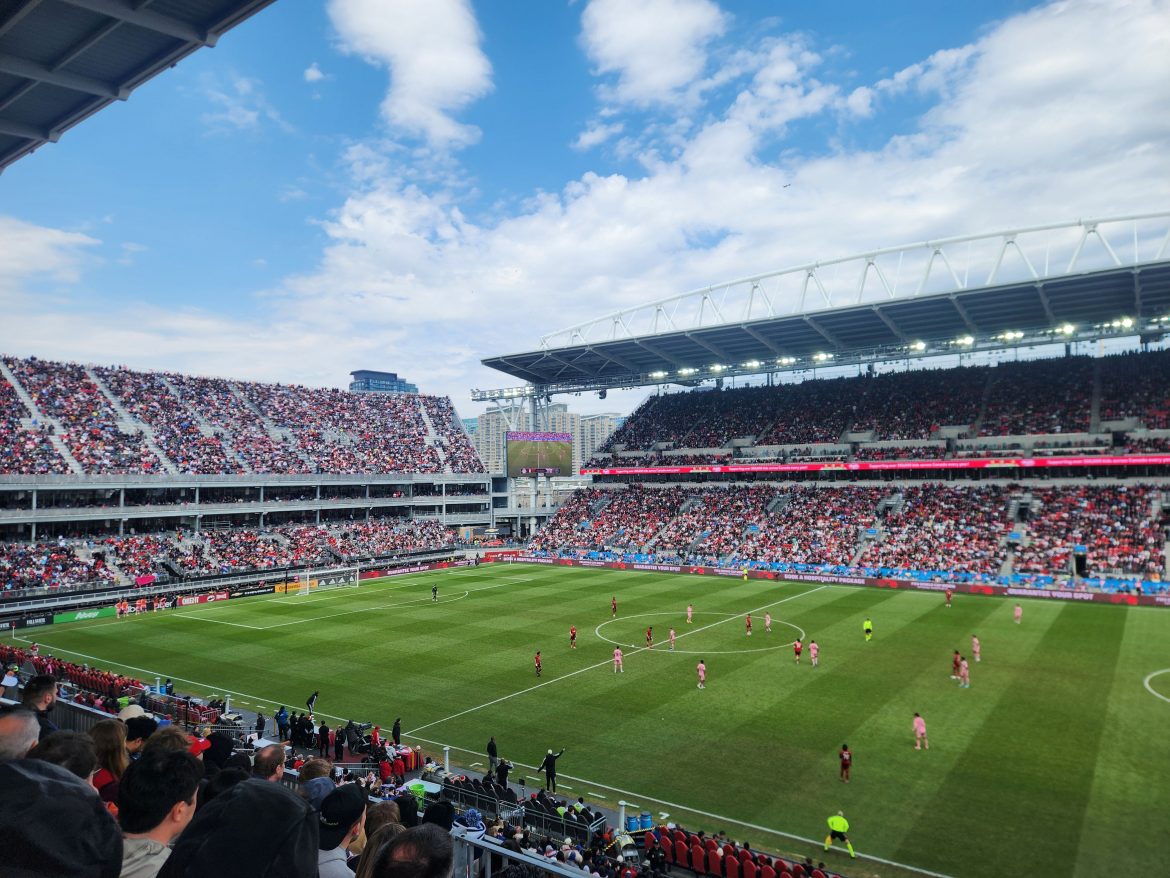
As the FIFA World Cup 2026 approaches, cities across North America are preparing for an influx of fans, matches and global attention. Toronto Stadium (BMO Field) in Canada is one of those locations and will host six matches between June 12 and July 2.
Along with the excitement comes growing concern about the tournament’s environmental impact.
For Emily Alfred, a senior campaigner with the Toronto Environmental Alliance, the World Cup is a major moment that cities should use carefully.
“Giant mega-events like this can cost so much – they have such a huge impact on a city and a space,” Alfred said.
“It’s totally reasonable that residents of that city want as much as possible for the result of this game, not just a lot of cost and congestion, but long-term benefits.”
FIFA’s website outlines its own environmental goals through its sustainability strategy. The organization says it is focused on “reducing environmental impacts, delivering best-practice solutions and raising climate awareness.”
Those efforts include improving energy use, promoting public transportation and reducing waste at tournament sites.
Even with these plans in place, the size and scope of the tournament make those goals difficult to achieve, Alfred said.
Brian McCullough, an associate professor of sport management at the University of Michigan, said much of the environmental impact tied to events like the World Cup comes from factors outside of organizers’ direct control, especially how fans travel and behave during the tournament.
Organizers can focus on infrastructure and operations, but the broader footprint depends on millions of individual decisions, McCullough said.
“All the food and drink that’s consumed by the thousands of people who are going to games and celebrations and parties – it’s usually disposable cups, lots of plastic forks and food containers, and that really adds up,” Alfred said.
Her work has focused on pushing cities like Toronto to adopt reusable resources instead of single-use materials.
“What would it look like if all the food was served in reusable dishes and reusable cups?” Alfred said. “That kind of thing could really avoid tons of waste.”
Toronto is already taking some such steps. Plans include expanding recycling and composting systems at stadiums and fan festivals, along with improving transportation options such as bus routes and bike access, according to Alfred.
Still, Alfred said progress often depends on strong policies rather than voluntary action.
“They did it because it was the law,” she said, referring to the 2024 summer Olympics where France adopted an Anti-Waste and Circular Economy Law requiring food to be served in reusable materials.
Another challenge is the structure of the tournament itself. With games spread across multiple cities and countries, each location has different systems and starting points, making it harder to create consistent environmental standards.
At the same time, the experts recognize that large sporting events continue to grow despite such concerns. That creates tension between economic benefits and environmental responsibility.
Carl Death, a senior lecturer in international political economy at the University of Manchester in the United Kingdom, said the biggest environmental challenge comes from the global scale of the event.
“The first – obviously the biggest one – is travel,” Death said. “Thousands of people traveling to an event from all over the world and then traveling between games.”
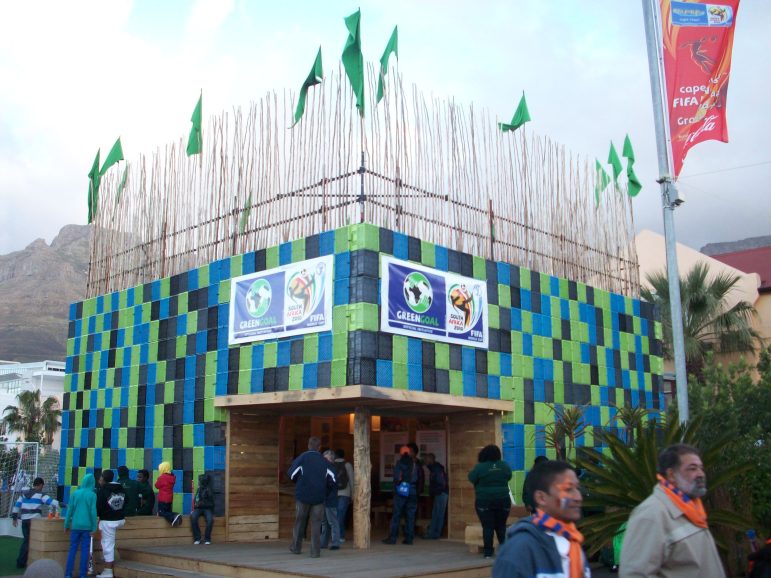
Death researched the environmental impact of the 2010 World Cup – hosted in South Africa. His 2011 study found that while sustainability programs like “Green Goal 2010” reintroduced from the 2006 games in Germany brought new efforts like recycling, public transportation upgrades and energy efficiency South African games, the overall impact of the tournament remained significant due to its scale.
Even when environmental initiatives take place, they are often “piecemeal” compared to the larger carbon footprint of the event, which includes international travel, construction and mass consumption.
“If you were trying to mitigate the environmental costs of the World Cup, you shouldn’t do it,” Death said. “It would be just much better not to have a World Cup.”
He pointed to the South Africa World Cup as an example of both progress and limitations.
“I was struck when I was in Cape Town during some of the games that you were getting lots of international tourists using light rail. The stations were well lit, they were safe, there were people talking about football – local, and tourists all together,” said Death.
“People who wouldn’t previously have used public transport were using it. It did seem to be this cultural shift. And then two days after the end of the tournament, it all stopped.”
While some recycling efforts and expertise remained, he said many of the environmental benefits were temporary rather than long-lasting.
Death said organizations like FIFA can also create barriers to local sustainability efforts.
“Some of FIFA’s commercialization agreements made it difficult for local organizers to put into place some of the things they wanted to do,” he said.
Instead, he said global organizers should take a step back and support local solutions.
“FIFA should just let them do it,” Death said, “and provide their considerable resources into supporting the really great ideas that local organizers have.”
FIFA’s sustainability goals show a push toward improvement, including waste reduction and more efficient operations. However, with millions of fans traveling and consuming resources, the impact remains significant.
Alfred said real change will likely happen gradually.
“We need to start chipping away at all of it,” she said.