Water
Au Sable hatchery poses resource, economic questions
|
A proposed expansion is indicative of broader issues involving resource protection and the weighing of emerging and established economic forces.
Great Lakes Echo (https://greatlakesecho.org/tag/fish/page/13/)
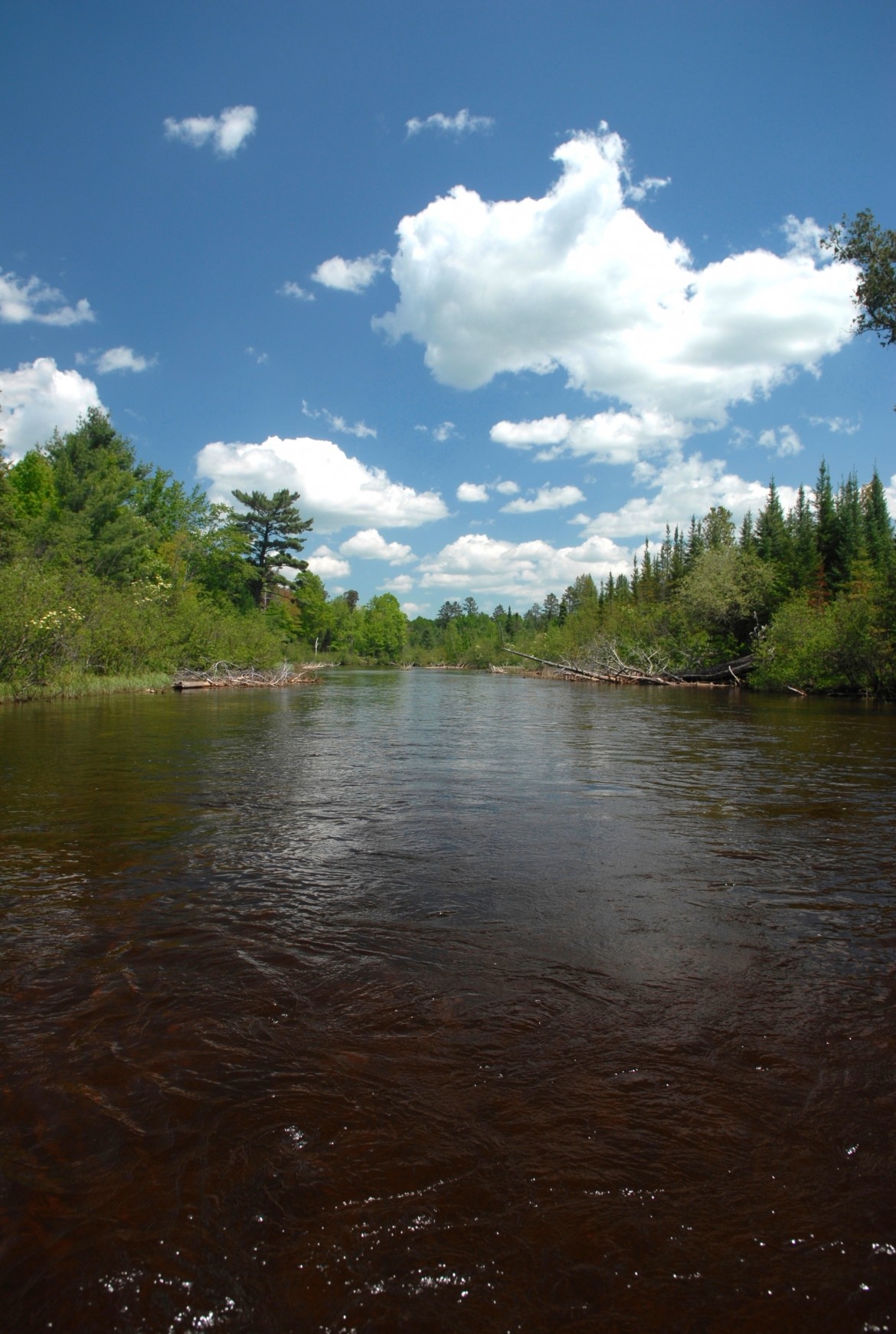
A proposed expansion is indicative of broader issues involving resource protection and the weighing of emerging and established economic forces.

The River is a new film that tells the story of Michigan’s Au Sable River, covering the famous stream’s logging history of the 1860s, angling heritage, modern threats and spiritual value .
The northern boundaries of sportfish species have moved further north in the past three decades, although the amount of change varied from species to species, according to the study published in the journal “Diversity and Distributions.”

From now through early June, volunteers will be standing guard over the Black River in Northern Michigan.
They’ll be on the banks of the river making sure that the lake sturgeon, a rare and threatened species in the state, are able to leave their homes in Black Lake and successfully spawn in the Black River.
Why do the fish need guarding?
Ann Feldhauser, who coordinates the program through the group, Sturgeon for Tomorrow, says the goal is to have a presence on the river 24/7 to prevent illegal taking of the fish.

By Greg Monahan
Great Lakes Echo
Starfish, seahorses and sharks are coming to a southeast Michigan shopping center. Crain’s Detroit reports Great Lakes Crossing Outlets in Auburn Hills announced plans for the construction of a 35,000-square-foot aquarium that could be completed by this time next year. Sea Life Michigan will feature an array of tropical marine life, including sharks, rays and shrimp. It will also have a section to showcase aquatic animals from around the Great Lakes basin. The plans are a result of an agreement between Taubman Centers Inc., which owns Great Lakes Crossing, and UK-based Merlin Entertainment, which has helped construct six other Sea Life Centers in the United States, including the aquariums at the Mall of America in Minnesota and Legoland in California.
There are many types of fish that fall under the Asian carp umbrella. Each brings their own unique peril to the Great Lakes basin.

The program allows nonprofit groups to place net pens in Lake Michigan, Lake Superior and their tributaries to increase fish for recreational anglers.
Michigan and New York already allow such pens.
When formerly submerged trees end up on shore, prey fish lose their cover from predators.
Click here to watch Battling the Bloom: Lake Erie
In 1970, sections of Lake Erie were declared dead due to an excess of toxic algal blooms created by industrial pollution. But a little over a decade later, the lake went through a transformation that saw a return of wildlife and recreation to the area. Over the past five years, the blooms have returned. These blooms are largely caused by fertilizer and farmland waste nearby running off into Lake Erie. The video linked above discusses the past and current threats posed to Lake Erie by these blooms, and what scientists and conservationists are doing to stop them.

Freshwater snorkeling is opening a window on Tennessee’s river biodiversity.
Could a similar effort in the Great Lakes region build a consitutency for conserving aquatic species here?