Skip to content
  • logo
  • logo
  • Home
  • Solutions
  • Agriculture
  • Water
  • Cities & Suburbs
  • Nearshore
  • Recreation
  • Wildlife
  • Energy
  • Waste
  • About
  • Contact

Great Lakes Echo - Environmental news of the Great Lakes region

Great Lakes Echo (https://greatlakesecho.org/tag/algae/)

  • Home
  • Solutions
  • Agriculture
  • Water
  • Cities & Suburbs
  • Nearshore
  • Recreation
  • Wildlife
  • Energy
  • Waste
  • About
  • Contact
Subscribe

Algae

Algae

Algae depresses Lake Erie home values

By Cassidy Hough | December 27, 2022

Since 2014, local communities have spent over $1 billion trying to clean up the water.

Algae

Lake Erie algae mucks up fishing trips

By Anastasia Pirrami | December 15, 2022

A Michigan State University study estimates that up to $5.9 million annually in economic activity is lost in Michigan’s small portion of Lake Erie due to harmful algal blooms.

Echo

Researchers in Minnesota acquire first genome for doli algal bloom

By Audrey Richardson  | November 28, 2022

For the first time, a genome sequence has been developed for an unfamiliar species of harmful algae that’s been blooming in the Great Lakes. 

Homepage Featured

Great Lakes algae threatens air quality

By Hannah Brock | June 4, 2021

Toxins from harmful algal blooms are known to pollute water, but now researchers are looking at how they harm Great Lakes air.

Algae

Old Ohio amusement park becomes new wetland restoration project

By Kyle Davidson | February 24, 2021

The park will preserve local history while fighting harmful algae blooms.

Agriculture

New nutrient trapping program takes off

By Lea Mitchell | December 14, 2020

A newly funded project in Ohio’s Ottawa Soil and Water Conservation District aims to reduce water nutrients and sediments that flow into Lake Erie, causing excessive growth of algae.

Algae

As toxic algal blooms impact Lake Erie, Michigan sees agriculture as main culprit

By Taylor Haelterman | August 5, 2020

Toxic algae blooming in Lake Erie is creating safety concerns for humans and aquatic life prompting the state of Michigan to work with farmers to reduce the phosphorus levels in field runoff.

Africa Great Lakes

Large lakes worldwide share many of the same threats

By Ray García | August 19, 2019

By Ray García

Algae pollution, plastic pollution and waste run-off plague the Great Lakes here in the United States. But similar problems also threaten large bodies of freshwater worldwide. The seven African Great Lakes and Lake Baikal in Russia, two of the world’s largest systems of freshwater, also face these problems daily. During the summer, a rapid growth of algae is among the most prominent challenges in Lake Erie and Lake Michigan. These algal blooms harm the lake animals and can harm humans as well.
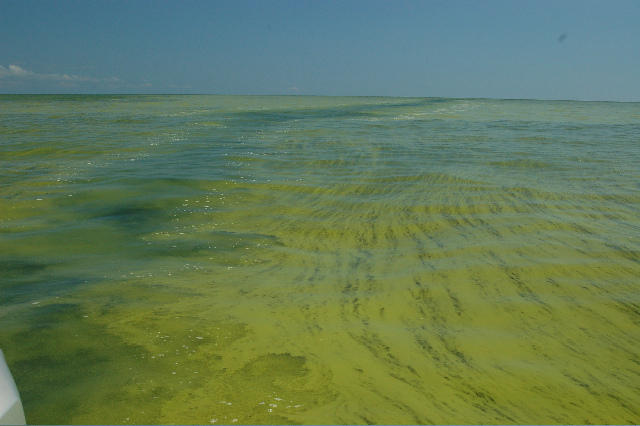
Lake Erie algae
Algae

Granting rights to a resource

By Kelsi Kroll | April 29, 2019

Lake Erie Bill of Rights under fire.

Algae

Monitoring algal blooms in the Great Lakes Basin

By Kurt Williams | February 13, 2019

This is how algal blooms are monitored in the Great Lakes Basin.

Load more articles

About Great Lakes Echo

Environmental news of the Great Lakes region from the Knight Center for Environmental Journalism at Michigan State University.

  • Henderson holding a swan
    From otters to butterflies: How Minnesota became a pioneer in nongame wildlife conservation

    By Kyrmyzy Turebayeva In the late 1970s, when most wildlife conservation programs in the United States focused almost exclusively on game species, a quiet but historic shift began in Minnesota. It was here that one of the nation’s first state programs dedicated to protecting so-called nongame wildlife emerged from butterflies and bats to bald eagles and river otters. That story is now told in detail by Carrol Henderson in his new book, “A National Legacy: Fifty Years of Nongame Wildlife Conservation in Minnesota."

  • Michigan’s water infrastructure sees improvements, work still needs to be done

    By Clara Lincolnhol The U.S. would need to invest nearly $3.4 trillion over the next 20 years to fix and update drinking water, wastewater and stormwater infrastructure, says researchers from The Value of Water Campaign. Much of that infrastructure was built 40 to 50 years ago and shows its age. Michigan’s is no exception. The American Society of Civil Engineers gave the state a D+ for its drinking water infrastructure, a D in storm water management and a C for its wastewater infrastructure. Funding is a major problem. Proposed data centers would put more stress on the infrastructure.

  • Mussels in a green net.
    Endangered spectaclecase mussels reintroduced into the Chippewa River

    By Ada Tussing To combat the population loss of spectaclecase mussels, researchers with both the Minnesota and the Wisconsin Department of Natural Resources released over 177 mussels into the Chippewa River in Northwest Wisconsin.

  • Michigan allocates $77 million to clean thousands of contaminated sites

    By Clara Lincolnhol Michigan is pouring $77 million into clean-up of contaminated abandoned real estate such as former factories. The director of the Department of Environment, Great Lakes and Energy says the goal is to make the cleaned-up sites safe for housing, commercial developments and other uses.

  • Winter makes curved roads dangerous; researchers seek solutions

    By Eric Freedman Flashing light on warning signs near curves can slow drivers and reduce the odds of a crash during winter weather conditions, says a new study by Michigan State University engineers.

  • The cover of “Dead Moose on Isle Royale: Off Trail with the Citizen Scientists of the Wolf-Moose Project." The cover is moose antlers on the ground.
    Great Lakes books for your holiday gift list 

    By Eric Freedman   Looking for a holiday gift for a reader who loves the Great Lakes? Here are five prospects to consider – and what our reporters learned from interviewing their authors this year.

  • A side-by-side of the historic Portage Canal and modern Portage Canal from an aerial view.
    Restoration of historical site improves quality of life for Portage, Wisconsin residents

    By Joshua Kim Following the completion of segments 1 and 2 of the Portage Canal, local residents and visitors can use the historic site and its amenities following years of disrepair.

  • What herring gulls tell us about plastic pollution

    By Victoria Witke Christina Petalas, a doctoral student McGill University, studies herring gulls to learn about plastic pollution near the St. Lawrence River. Across two studies, she found plastic additives in every bird sampled, which could have human health consequences.

  • Scientists update geological map of northern Wisconsin, Michigan’s Upper Peninsula 

    By Kyrmyzy Turebayeva The U.S. Geological Survey has began large-scale low-level airplane flights over Michigan's Upper Peninsula and northern Wisconsin to obtain high-resolution data on subsurface mineral structures and bedrock composition. The data will be used to create two- and three-dimensional maps to better understand the geological structure at depths of about 10,000 feet.

  • ‘Refusal is insisting on your own terms’: Indigenous activism in the Midwest

    By Isabella Figueroa Nogueira “Indigenous Activism in the Midwest: Refusal, Resurgence and Resisting Settler Colonialism” explores how Dakota and Anishinaabe communities in Minnesota continue their relationships to the land and challenge dominant settler narratives about ownership, belonging and identity.

  • Great Lakes Echo

Contact Us

Email: GreatLakesEcho@gmail.com
Phone: 517-432-1415

Search This Site

Browse Archives

© Copyright 2025, Great Lakes Echo

Built with the Largo WordPress Theme from the Institute for Nonprofit News.

Back to top ↑