Water
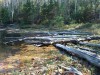
Wood loss turns fish into binge-eaters
|
When formerly submerged trees end up on shore, prey fish lose their cover from predators.
Great Lakes Echo (https://greatlakesecho.org/category/wildlife/page/54/)
This broad category encompasses fish. It is further divided on the main menu with tags for mammals, insects, amphibians, birds, mussels, invaders and endangered wildlife.
When formerly submerged trees end up on shore, prey fish lose their cover from predators.
By Evan KreagerGreat Lakes Echo
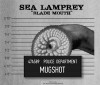
The Nature Conservancy has named sea lampreys one of the five “usual suspects” invading the Great Lakes basin. These eel-looking parasites find a host and suck the life out of it. During the length of one life cycle, a sea lamprey can kill up to 40 pounds worth of fish and can grow up to 3 feet long. Sea lampreys are native to the Atlantic Ocean, Lake Ontario and the St. Lawrence River.
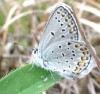
Heavy snowfall is proving to be helpful for some of Michigan’s endangered species, like Karner blue butterflies.
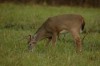
By Elizabeth DagresGreat Lakes EchoHunting combined with the controversial practice of culling can help control chronic wasting disease (CWD) in white-tailed deer better than hunting alone, according to a recent study done in Illinois and Wisconsin. Culling removes breeding animals to minimize reproduction. It’s been used in both Illinois and Wisconsin to control the spread of the contagious neurological disease that infects deer, elk and moose. CWD causes a spongy degeneration of the brain and results in emaciation, abnormal behavior, loss of bodily functions and death, according to the Chronic Wasting Disease Alliance. Illinois and Wisconsin are among the Great Lakes states experiencing an increase of white-tailed deer amid continued concern about the fatal disease.

The Michigan Trappers and Predator Callers Association pushed for the legislation, sponsored by Sen. Thomas Casperson, R-Escanaba.
There is an increase in reports of waterfowl stranded on roadways that they confuse with open water.
Some birds cannot take off again because their bodies are adapted to lifting off from water.

A baby moose has moved into Lansing’s Potter Park Zoo. Willow the moose was orphaned in Alaska when her mother died after being hit by a car. When that sort of thing happens, wildlife officials in Alaska arrange to send the orphaned animal to a zoo. Lansing has been hoping to get a baby moose for about a year, and when the call came in, the zoo was ready to act.

The concentrations of dieldrin, an insecticide banned in 1978, are the greatest ever found in otters.
Once used on cornfields, the chemical lingers in sediments and accumulates in fish and wildlife.
Six Great Lakes states are among the nation’s top 12 corn producers.

Ecologist James Ludwig spent his career studying the chemical pollution of the Great Lakes – most notably with the help of his cross-billed cormorant, Cosmos.
Great Lakes Echo recently spoke with Ludwig about his new book, “The Dismal State of the Great Lakes.”

At the end of each month, Current State check in with Great Lakes commentator and journalist Gary Wilson for updates on environmental stories from around the basin. For this Great Lakes Month in Review, Gary focuses on ice cover and Asian carp fatigue. Wilson last spoke with Current State after the Army Corps’ study on Asian carp in the Great Lakes was released. Wilson says that carp fatigue has set in, meaning that Asian carp reports are in the news so frequently that people tend to tune it out. Great Lakes Month in Review: Ice cover, Asian carp and Federal funding by Great Lakes Echo