Michigan cuts heating fuel assistance

LANSING — A new Vulnerable Household Warmth Fund in the Department of Human Services is temporarily replacing a decade-old state program to help low-income residents heat their homes this winter. The fund will provide $58 million to help consumers pay their gas and electric bills. That’s less than $87 million available last year and $89 million in 2010 when the program was under the public service commission, according to its reports.

Using coal to deliver wind power


The Ludington Daily News reports that the S.S. Badger carferry is expanding its operating season until Nov. 2 to transport wind tower parts. That means the Badger will be moving parts for building clean alternative energy while under steam provided by a power plant criticized for polluting Lake Michigan. The vessel is the last operational coal-fired steamship. It travels between Ludington Mich., and Manitowoc Wis., and is  under fire for dumping coal ash into the lake.

What’s next? Olympic carp competition?


If you’re bored of kayaking, swimming and other standard Great Lakes activities, the Peoria Carp Hunters offer to take you on a tour of the Illinois River. The catch: it’s a bow fishing trip, and the target is the Asian carp, a Great Lakes invasive species. Booking a trip with Capt. Nathan Wallick (Coast Guard certified) costs $120 per hour, with all equipment provided. Wallick moved to Peoria five years ago, and had grown up hunting and fishing. When he took his boat down to the river for the first time and saw a fish jump, he immediately got his bow.

Interactive lake monitoring tool to be updated


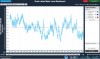
Data on rain, snowfall, ice cover and evaporation will soon be incorporated into a new online tool that shows Great Lakes water level fluctuations over the past 150 years. The Great Lakes Water Level Dashboard plots data on a graph that represents water levels of a lake the user designates. Users can even designate all of the Great Lakes at once to see their progression as a whole. But enhancements expected in as soon as a month will show rain, snowfall, evaporation and ice cover, said Anne Clites, a scientist on the project at the National Oceanic and Atmospheric Administration’s Great Lakes Environmental Research Laboratory. The tool was released in June to help researchers and answer the public’s questions about lake levels, she said.