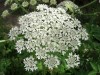
This gardening chore requires a hazmat suit

Sheesh, and you thought Asian carp are threatening invaders. WKAR public radio in East Lansing, Mich., has a great interview with a botanist taking on a giant hogweed given to a Michigan resident. The Asian invasive can grow up to 14 feet tall and sports flowers that are two-feet across. So what’s the big deal? Well, as botanist Peter Carrington explains, chemicals on the outside of the plant can cause huge fluid-filled blisters to erupt on your skin.
More volunteers means less invasive plants

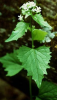
As more invasive species attack the state parks, more hands are needed to fight them. The Michigan and Indiana recreation officials are calling for volunteers to help remove invasive plants from the state parks and recreation areas.  

“It is a great opportunity for families and friends to enjoy the outdoors, improve the conditions of parks and be engaged in its protection,” said Laurel Malvitz-Draper, stewardship coordinator for the Michigan Department of Natural Resources. Volunteers search for and pull invasive plants such as non-garlic mustard, Japanese bittersweet, shrubs, common buckthorn and vines. Invasive plants can contain chemicals that kill native plants and limit the native species growing nearby.

Fresh funds fuel phragmite fight

Phragmites grow aggressively out-competing natives like bulrushes, cattails and sage plants and now wetland managers want it eradicated and replaced by native species.

Michigan leads nation in tree-planting contest

Michigan leads the country by a landslide in juice company Odwalla’s Plant a Tree campaign. This is the third year of the program that asks people to vote for a state. With each vote, Odwalla donates $1 to plant a tree in one of that state’s parks. For the past two years, Michigan has come out first. While Michigan only represents 14 percent of the land in the Great Lakes region, it has a whopping 60 percent of votes, with 13,036 as of Wednesday.