Energy
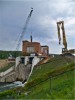
Michigan pulls the plug on dams
|
There are more than 2,600 dams in Michigan, many of which are not maintained and no longer serve a purpose.
The state recently targeted six for removal or repair.
Great Lakes Echo (https://greatlakesecho.org/category/energy/page/22/)
These stories are about traditional and alternative energy sources and challenges.
There are more than 2,600 dams in Michigan, many of which are not maintained and no longer serve a purpose.
The state recently targeted six for removal or repair.

The city of Holland in Michigan is looking to diversify energy sources after a failed attempt to expand a coal plant. City officials are pushing for a new natural gas plant. Critics say gas is not an environmentally-friendly choice.

Ontario Power Generation wants o build nuclear waste disposal facilities below the Canadian shore of Lake Huron.
Opponents say this threatens the the lake and people.
Supporters say it is needed and safe.

A small Detroit suburb is tapping the earth’s natural energy by creating a geothermal utility — the first of its kind in the Great Lakes region.

Experts say removal of the Boardman River dam is the biggest in Michigan history, and the largest-ever wetlands restoration in the Great Lakes region.

By Brian Bienkowski
Thousands of jobs, millions of dollars and a more stable climate are possible if Illinois aggressively pursues clean energy, according to a report released by the Union of Concerned Scientists (UCS). The peer-reviewed report, dubbed “Bright Future for the Heartland,” predicts what would happen if Midwestern states reached two goals: produced 30 percent of its electricity supply from renewables by 2030; and reduced power consumption 2 percent every year starting in 2015. The goals came from policy recommendations that were given to Midwestern state governors in 2009 by an advisory board.(“Energy Roadmap”)
In 2007, Illinois mandated that 25 percent of the state’s power supply be renewable by 2025, and power consumption must drop 2 percent annually. While a step in the right direction, the report claims the Prairie State stands to gain more by shooting for the Energy Roadmap targets. By 2030, Illinois would add 8,400 jobs, lower energy bills by $4.7 billion and see $4.5 billion in new capital investment with stricter clean energy policies, according to the report. The jobs would come from renewable energy manufacturing, installation, and maintenance – the kind of labor base abundant in Illinois.

The Michigan Department of Environmental Quality’s mission to guarantee clean and safe recreational water resources includes an assessment plan to make the public aware of problems.
DEQ said it has five related goals: 1) enhance recreational waters, 2) ensure edible fish, 3) protect and restore aquatic ecosystems, 4) ensure safe drinking water and 5) protect public safety.
Native American tribes in the Northern Lower Peninsula and Upper Peninsula are seeking to develop renewable energy, but a lack of money is impeding many projects, experts say.
Michigan tribes have a potential for wind energy and wood-based biomass, said Roger Taylor, the principal project manager of the Tribal Energy Program.

Compact fluorescent light bulbs use less energy.
They also contain mercury, and that has some doctors concerned about their ultimate disposal.