Energy
Will report shine light on Michigan’s solar future?
|
In less than two weeks the Michigan Public Service Commission will report on how the state’s two largest investor-owned utilities could improve solar options.
Great Lakes Echo (https://greatlakesecho.org/category/energy/page/19/)
These stories are about traditional and alternative energy sources and challenges.
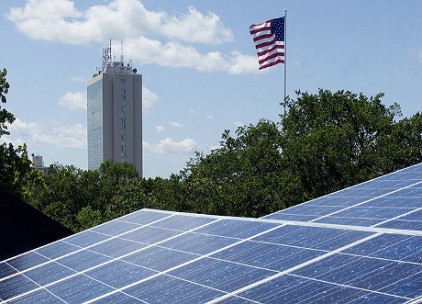
In less than two weeks the Michigan Public Service Commission will report on how the state’s two largest investor-owned utilities could improve solar options.

The project has stalled, perhaps permanently, because of the withdrawal of the lead private investor and elimination of a federal mandate for ethanol made from wood.
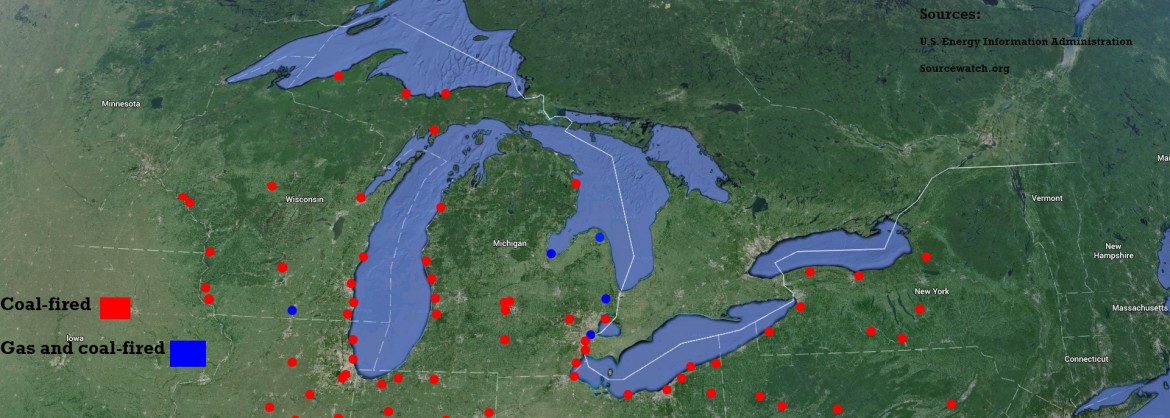
Illinois, Indiana and Ohio were all in the top five coal destinations in the United States in the fourth quarter of 2013.

The Wisconsin Court of Appeals has upheld a decision by Buffalo County officials to grant a permit that would allow more than 100 truckloads a day of fracking sand to be trucked on local roads.
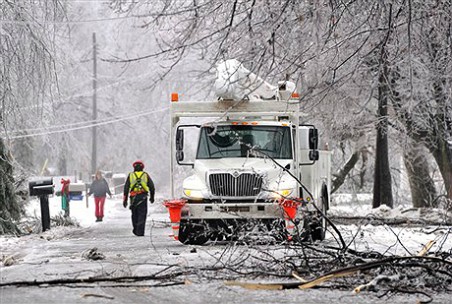
Consumers Energy was singled out in a Michigan Public Service Commission staff report for spending nearly $16 million less than the MPSC approved for the utility for vegetation management in 2013.

In 2006 when a Minnesota group announced a $60 million biomass cogeneration plant, spot prices for natural gas topped $13 per million Btu. By the time the power plant began operating in May 2009, they had plunged below $4. Operators say they’ve stayed viable by cutting costs and upgrading efficiency.

No alternative energy source is without its environmental costs. But as demand for power continues and as existing fossil-fuel and nuclear plants age, the truth is that the Great Lakes states need to aggressively explore alternatives.

An Ontario court has ruled in favor of a wind turbine project that put environmental groups at odds with each other.
On one side are supporters of an alternative energy project. On the other are those favoring the protection of a threatened turtle species and fragile soil.

Feeling that elected officials have betrayed them in the battle over piles of petroleum coke on the Southeast Side of Chicago, residents have vowed to take the fight to the streets and into their own hands.