Energy
Turning waste into watts
|
Consumers Energy has selected four Michigan farms to produce electricity with anaerobic digesters.
Great Lakes Echo (https://greatlakesecho.org/category/energy/page/18/)
These stories are about traditional and alternative energy sources and challenges.

Consumers Energy has selected four Michigan farms to produce electricity with anaerobic digesters.
The latest annual net metering and solar pilot program report from the Michigan Public Service Commission shows an 18 percent increase in the program’s size compared to 2012. One of the biggest and most-visible astronomical events of the year is happening this month. Kids in Nature events are planned for the Discovery Preserve at Euclid Park in coming months. Click the audio for details and Mr. Great Lakes for the text. Mr. Great Lakes is heard at 9 a.m. Fridays in Bay City, Mich., on Delta College Q-90.1 FM NPR and is rebroadcast on Great Lakes Echo with permission.
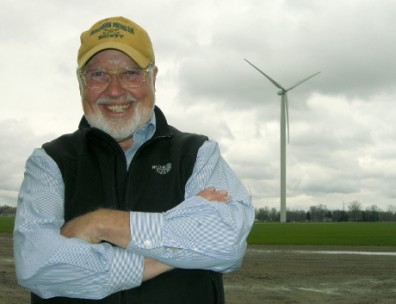
Clean energy advocate pushes projects with social, economic and environmental value.
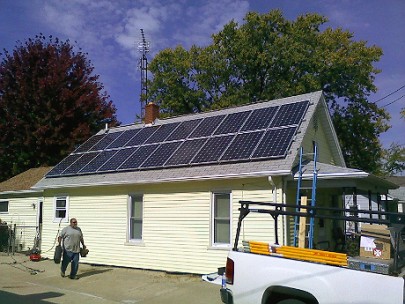
Their bills tackle net metering, microgrids, fair-value pricing and community renewable-energy gardens.

More than 42 percent of Michigan potential voters think the state should dramatically reduce its reliance on electricity generated from coal over the next 25 years as technology improves and costs decrease for other sources, according to a recent poll by Public Sector Consultants. But only 13 percent favor a dramatic drop in coal-produced electricity over the next 10 years, even if it means electricity rates were to increase, according to the poll of 600 likely voters done by the Lansing public policy company and Denno Research. Poll respondents were told before answering:
“Michigan produces 57 percent of its electricity from coal, 11 percent from natural gas, 22 percent from nuclear, and 10 percent from renewable energy sources. Of these sources, coal is the source that produces the greatest amount of carbon emissions, a component of climate change. As you think about balancing Michigan’s energy needs with the price of electricity on one hand, and the environment on the other, which of the following statements comes closest to your beliefs?”

Concerns about pipeline safety and disclosure continue to be the source of controversy.

Scorecard ranks lawmakers, identifies priority votes.

Central Wisconsin has rolling fields, numerous dairies and potential new sources of energy.
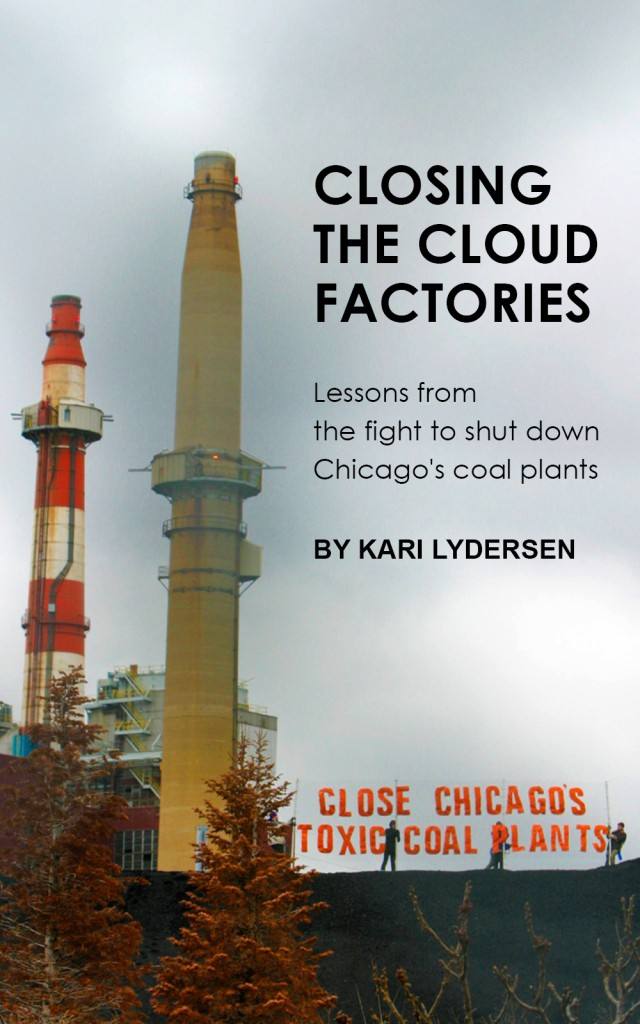
Review: This character-rich tale is deep with history, context and lessons for environmental battles elsewhere.
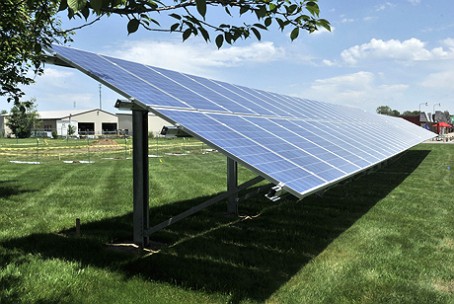
In northern Michigan’s Grand Traverse County, a model for bringing solar power to those without the best location for it could set the path for a state lacking solar development.