Energy
Michigan Tech part of cellulosic ethanol milestone, US at bottom of sustainable list
|
Mr. Great Lakes, Jeff Kart, discusses cellulosic ethanol and the United States at the bottom of the list in sustainable behavior.
Great Lakes Echo (https://greatlakesecho.org/category/energy/page/17/)
These stories are about traditional and alternative energy sources and challenges.
Mr. Great Lakes, Jeff Kart, discusses cellulosic ethanol and the United States at the bottom of the list in sustainable behavior.
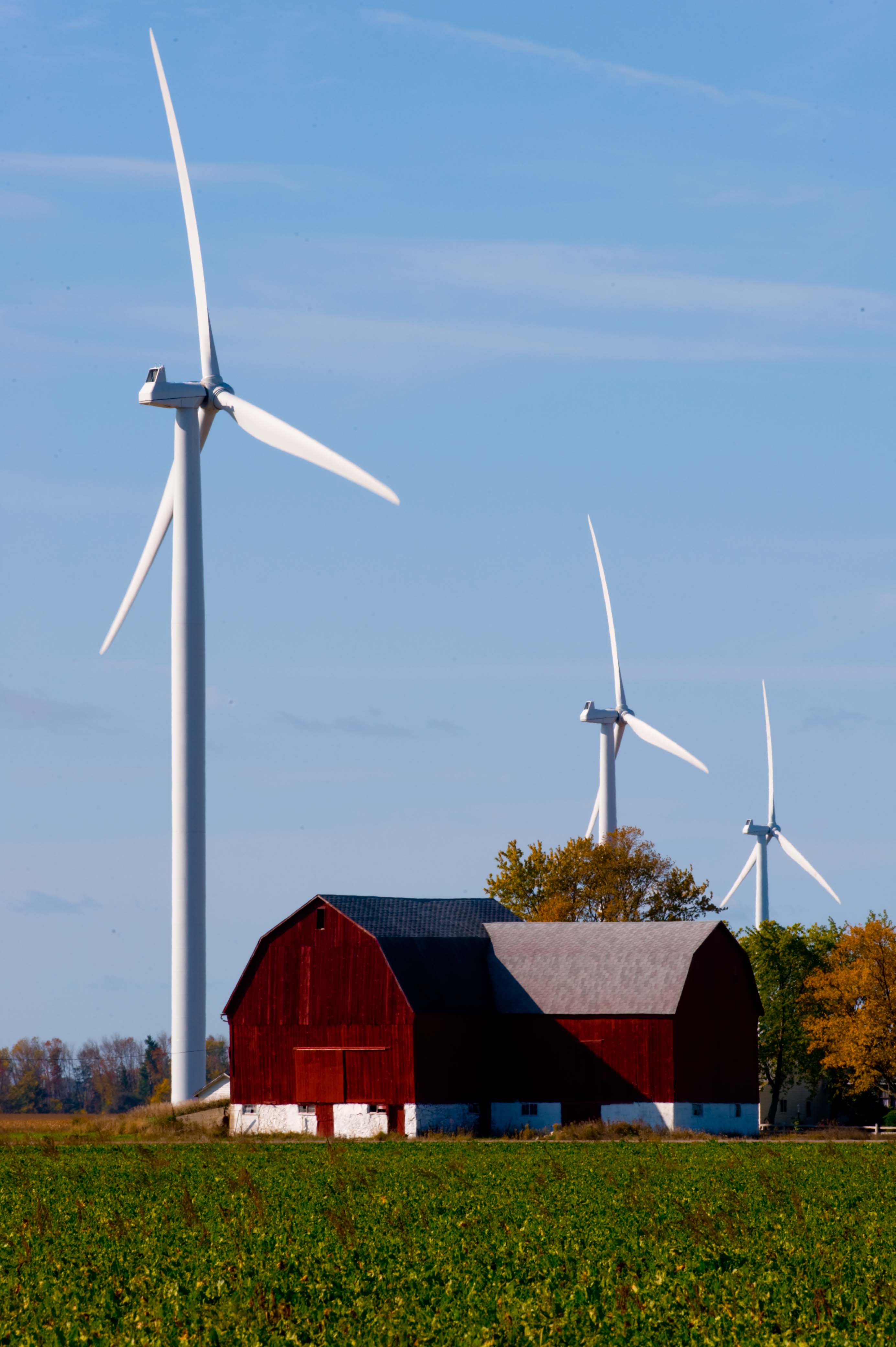
Meanwhile, Michigan utilities are on pace to meet the standard requiring that they produce 10 percent of their energy with renewables by the end of next year.

Four of the top 10 states in energy efficiency are from the Great Lakes region, according to WalletHub, a personal finance advice website that measured the energy use of cars and homes in each of the lower 48 states. Of the Great Lake states, New York (2), Wisconsin (3), Minnesota (6) and Michigan (10) are in the top 10. Other Great Lakes states ranked as follows: Indiana (19), Ohio (23), Illinois (26) and Pennsylvania (39). WalletHub determined efficiency in homes by “calculating the ratio between total residential energy consumption per capita and annual degree days.” Car-related efficiency was measured as a ratio between annual vehicle miles driven and gallons of gasoline used. Data from the U.S. Census Bureau, the National Climatic Data Center, the U.S. Energy Information Administration and the Federal Highway Administration suggests that home energy use was proportionally larger than car-related energy use, according to WalletHub.
Mr. Great Lakes (Jeff Kart) reports from Bay City, Michigan’s Delta College Q-90.1 FM. This week, Kart discusses a new wind park spinning in Huron County, funding available for Watershed Initiative Network grants and faulty septic systems that can pollute local waterways and contribute to harmful algal blooms.
Text at Mr. Great Lakes.

The boom in oil production in North Dakota and Western Canada has turned the Great Lakes region into a transportation corridor for crude oil.
The fake reports caused the re-inspection of 95 wells in the Allegheny National Forest.

Debbie Dooley is a right-wing grandmother, a founding member of the national Tea Party and a leader of the Atlanta Tea Party. She is also an outspoken proponent of distributed solar generation and other forms of renewable distributed energy.
Newspapers reveal worries about fish, floods, farms, mines, trails, energy and Roscoe the deer.
Recent federal court hearing allows construction to begin before environmental impact statement completed.
Click the audio for details and Mr. Great Lakes for the text. Mr. Great Lakes is heard at 9 a.m. Fridays in Bay City, Mich., on Delta College Q-90.1 FM NPR and is rebroadcast on Great Lakes Echo with permission.