Energy
Study: modest costs to renewables
|
Michigan could expand its reusable energy standard to 25 percent over 10 years at $2.60 each month per household, a price that could be cut in half if key federal tax credits are extended.
Great Lakes Echo (https://greatlakesecho.org/category/energy/page/16/)
These stories are about traditional and alternative energy sources and challenges.

Michigan could expand its reusable energy standard to 25 percent over 10 years at $2.60 each month per household, a price that could be cut in half if key federal tax credits are extended.
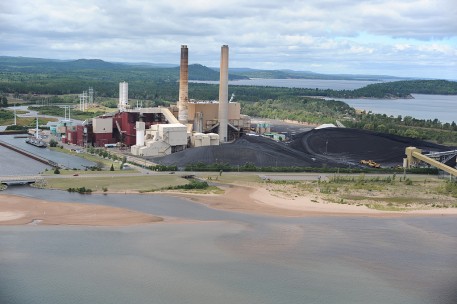
The plan also achieves long-term goals of reliability and eliminating out-state utilities from the state’s energy future.
Experts say Michigan is far behind states on the Atlantic and Pacific coasts in exploring innovative markets and uses for wood products and wood energy.

A bachelor’s degree in electrical systems technology will be developed by Alpena Community College for employment in the fields of electric distribution, transmission and generation.

They eliminate meter readers, help shift demand and address outages more quickly.
Lumos Energy president Chris Henderson has spent the last two-and-a-half decades working, “at the intersection of clean energy, sustainable development, environmental action, economic development, and Aboriginal communities.”

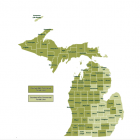
Where you live in Michigan makes a big difference when it comes to the price you pay for electricity, especially if you’re living in the Upper Peninsula.
In March of 2011, an earthquake and tsunami in Japan resulted in a nuclear disaster at the Fukushima Nuclear Power Plant. Three of the plants six reactors melted down, and substantial amounts of radioactive material was released. That includes contaminated water that escaped from the three units. Containing that water has proven to be an ongoing problem confronting those who are working to clean up Fukushima. A Michigan State University grad works with a company that is going to try to contain contaminated water with an old technology that has never before been employed at a nuclear site.

Device captures wind from all directions and concentrates it.
Michigan’s Upper Peninsula is facing the question of how to deal with retiring power plants.