Waste

Michigan’s recycling rate is lousy – and people know it
|
ff
Great Lakes Echo (https://greatlakesecho.org/author/dave/page/31/)
If you live in Michigan it seems like every summer is a time to complain about the mosquitoes being really bad this year, but how bad are they, really? Current State talked with Ned Walker about this year’s mosquito crop and some of the issues connected to mosquito-borne illness. He’s a professor in MSU’s Department of Entomology and the Department of Microbiology and Molecular Genetics.

Last week I covered the release of an animated model of an oil spill in the Straits of Mackinac. The greatest question it prompted in my mind: Why didn’t we do that? I’ll grant that the researcher who put that one together had studied Great Lakes currents for 30 years. Journalists aren’t going to replicate that kind of expertise. But journalists aren’t expected to generate the data.

Islands and shoreline are at risk in both Lake Michigan and Lake Huron.

Check out the improvements in Chicago, Detroit, Milwaukee, Gary, Toledo, Cleveland.

Clean, drain, dry is common advice among the Great Lakes boating community. Now it’s delivered with a southern drawl. The watercraft maintenance practice limits the spread of invasive species between lakes. And now it is used in Texas to limit the further spread of a Great Lakes menace threatening lakes in that state. Zebra mussels are again the target. They entered the U.S. through the Great Lakes aboard freighters that inadvertently transported them from Eurasia.

Tether increases control, accountability, reliability of flying devices that can provide a unique perspective on environmental problems
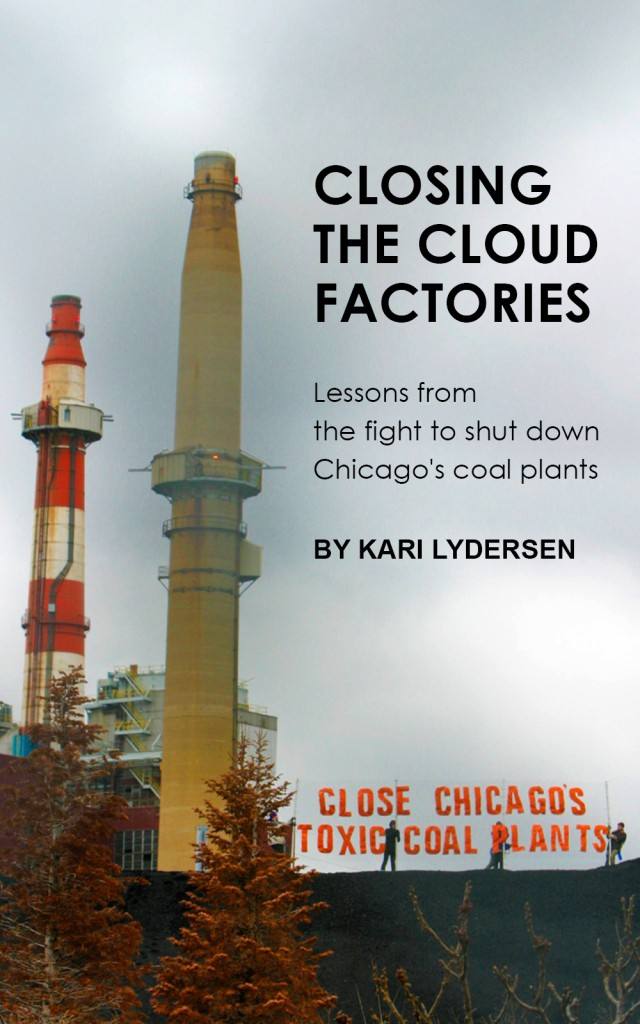
Review: This character-rich tale is deep with history, context and lessons for environmental battles elsewhere.

Duluth, Minn., got the nod in Outside Magazine’s Best Town contest. It beat out Provo, Utah, with 55 percent of the vote in the final round. Do you agree? Is Duluth the best town in the Great Lakes states, let alone the U.S.? To get to the final showdown, in head to head competition Duluth beat out Minneapolis, Minn.; La Crosse, Wis.; Athens, Ohio; Columbia, Missouri.

Anglers in a recent fishing derby on Michigan’s Pine River got news far better than pulling in the largest fish. The Environmental Protection Agency recently reported that the fish they sought are much cleaner of DDT than when the competition began 15 years ago. The concentration of the now banned pesticide in fish near the site of the Velsicol chemical manufacturing plant dropped by as much as 98 percent after a multi-million dollar cleanup of polluted river sediment from 2000 to 2006, the EPA said. Tempering the good news is that the fish were so contaminated then that even after the dramatic drop the Michigan Department of Community Health still advises not to eat fish downriver of the site. The contest is strictly catch and release.