By Ada Tussing
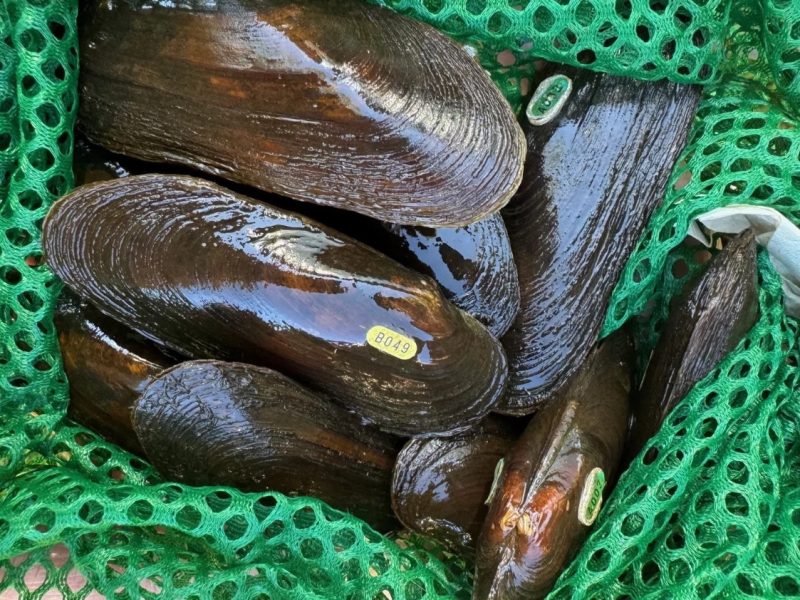
To combat the population loss of spectaclecase mussels, researchers with both the Minnesota and the Wisconsin Department of Natural Resources released over 177 mussels into the Chippewa River in Northwest Wisconsin.
Great Lakes Echo (https://greatlakesecho.org/category/wildlife/)
This broad category encompasses fish. It is further divided on the main menu with tags for mammals, insects, amphibians, birds, mussels, invaders and endangered wildlife.
By Ada Tussing
To combat the population loss of spectaclecase mussels, researchers with both the Minnesota and the Wisconsin Department of Natural Resources released over 177 mussels into the Chippewa River in Northwest Wisconsin.



By Georgia Hill
Scientists studying the body size and growth patterns of non-native earthworms in the UP’s Huron Mountains say they are disrupting forest ecosystems. Contrary to popular belief, most North American earthworms are invaders unintentionally introduced during European colonization. They have a significant impact on ecosystems, especially in the Great Lakes region where they affect soil structure, nutrient cycling and biodiversity.

By Clara Lincolnhol
Meet former K-9 Maple. She made a big career switch earlier this year—from a human remains detection dog to a beekeeper at Michigan State University’s Pollinator Performance Center. The friendly brown-and-white dog, with a long tongue that hangs out of her mouth, dons her own beekeeping suit and uses her powerful nose to detect American foulbrood — a bacteria that left undisturbed, means certain death for an entire honeybee colony.

By Rachel Lewis
The Michigan Invasive Species Program is asking the public to be on the lookout for the invasive Asian longhorned beetle. The inch-and-a-half long black beetle with white spots and long antennae is known to attack at least 12 species of hardwood trees, including maples, elms, horse chestnuts, birches and willows. Although the beetle has not yet been found in Michigan, the state Department of Natural Resources said the earlier they are found, the easier they are to eradicate.
By Clara Lincolnhol
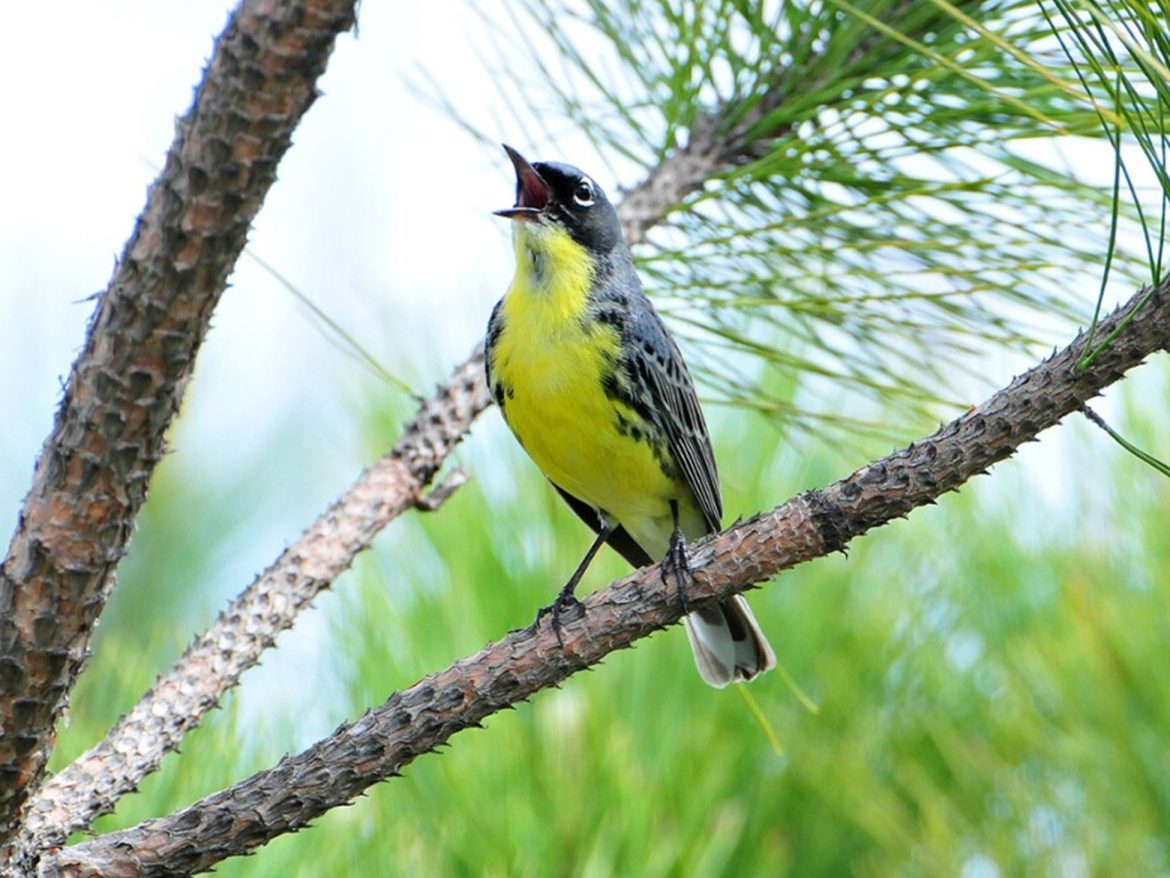
One of Michigan’s most rare, iconic and celebrated bird species is the Kirtland’s warbler. Once nearly extinct in the 1970s, decades-long, targeted conservation efforts helped their population rebound. But this year’s census revealed something concerning: a significant drop in warblers– nearly 700 fewer pairs.
By Emilio Perez Ibarguen
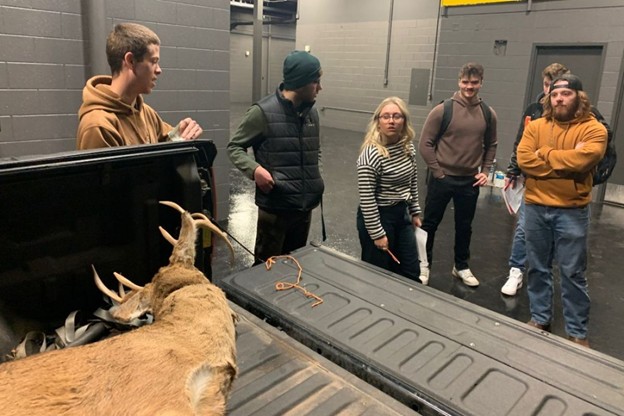
For students hoping to become conservation officers for the state Department of Natural Resources — tasked with enforcing fish, game and natural resource protection laws — one Northern Michigan University class gives a glimpse into their day-to-day work.
By Rachel Lewis
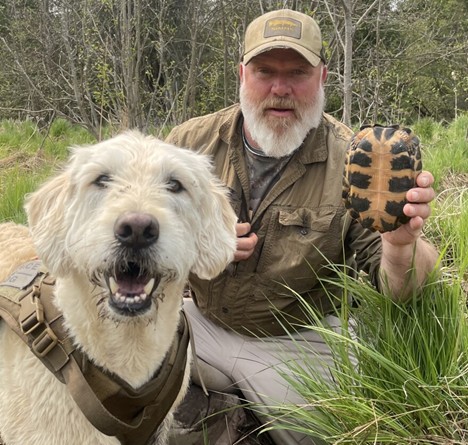
The Little Traverse Bay Band of Odawa Indians’ Natural Resources Department has been working to conserve the threatened wood turtle. Their top team member is Mooz, a 9-year-old labradoodle who has been helping his owner, Bill Parsons, find wood turtles for the past five years.

By Donté Smith
Butterfly populations are in decline across the continental U.S., dropping by 22% between 2000 and 2020 according to a study in the journal Science. Almost a third of the 342 species studied have seen their numbers fall by more than half. To help combat that trend, the John Ball Zoo in Grand Rapids, Michigan, launched its Great Lakes Rare Butterfly Program in 2021 to protect the region’s most threatened species.

By Rachel Lewis
After the great “moose lifts” in the 1980s, researchers were confident Michigan’s moose population would continue to grow, with a projection that the population could reach numbers in the thousands within 15 years. However, since 2010, the DNR has seen the moose population growth stagnate, with population estimates half of what was expected after the reintroduction. This prompted a collaboration among researchers to look into what’s causing the lack of population growth.
By Clara Lincolnhol
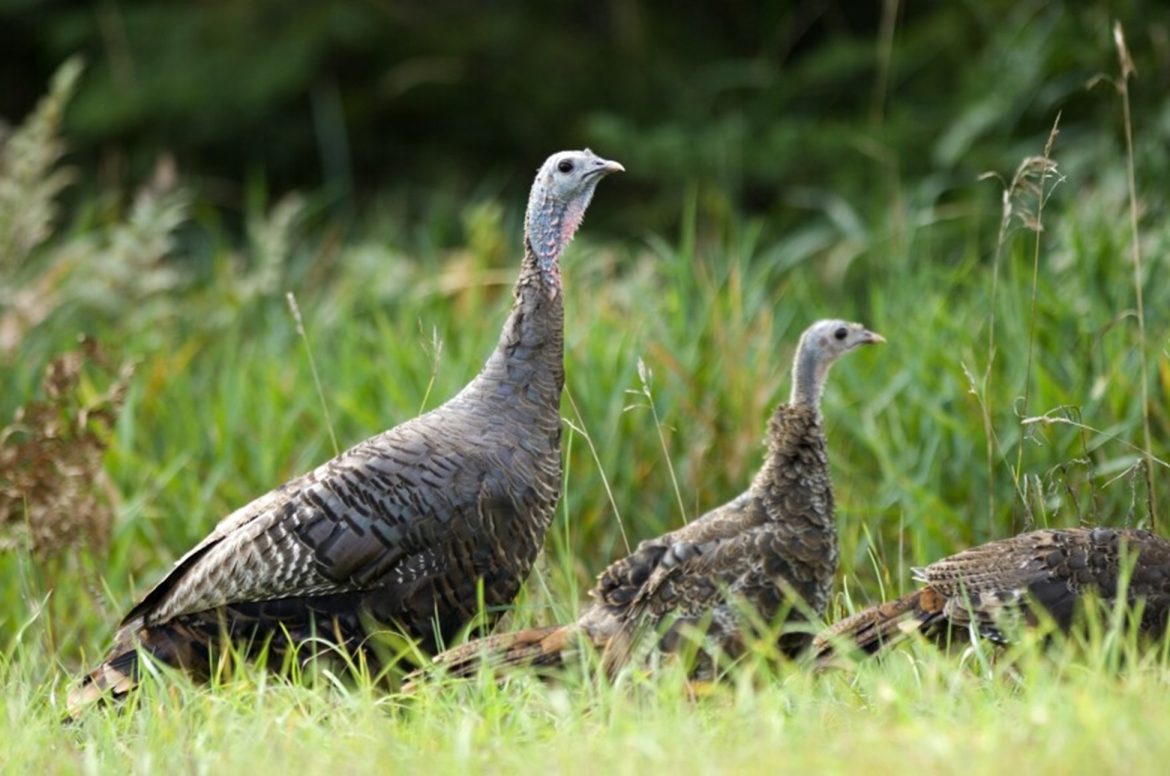
The Michigan Department of Natural Resources is asking state residents to report the number of wild turkeys they see this summer. The statewide survey will be used to get a sense of the turkey population to find out if baby turkeys are replacing adults. The survey, which runs through the end of August, asks residents to report when and where they’ve seen the birds in Michigan.
By Clara Lincolnhol
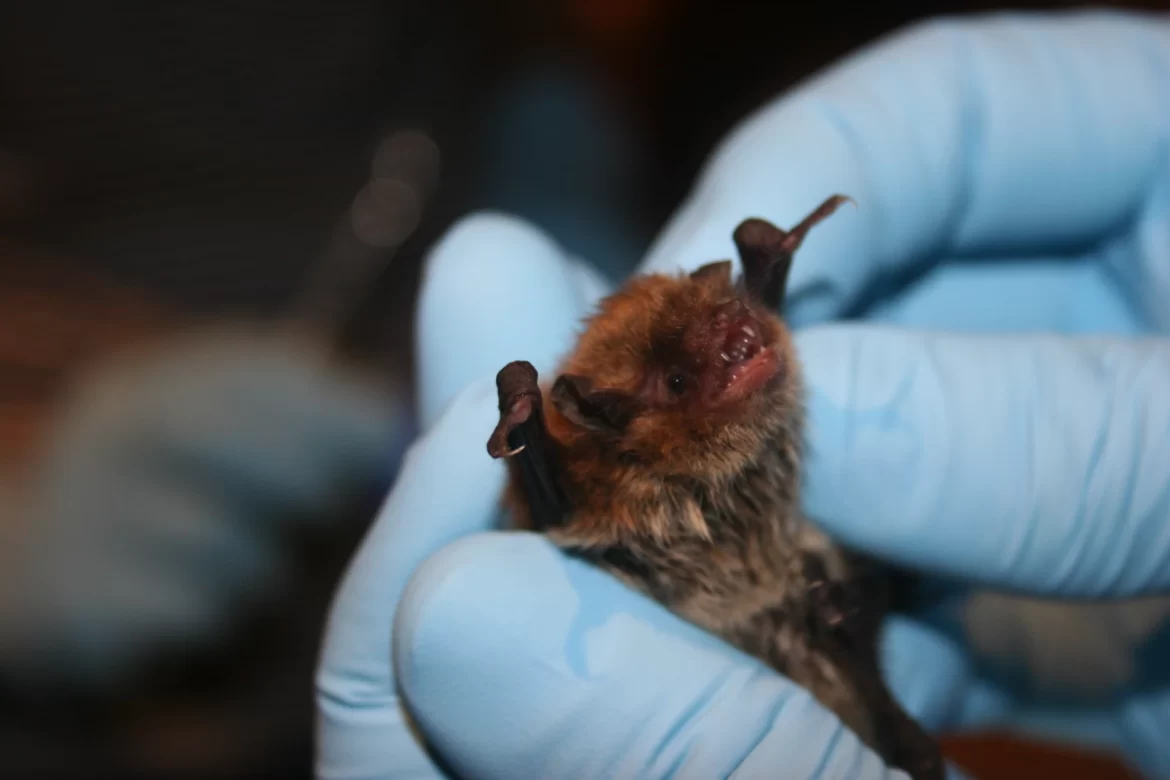
The Department of Natural Resources is encouraging residents to report bat roosts. These are the places where bats sleep and raise their babies like chimneys, trees and bridges. DNR bat specialist John DePue says the Michigan Bat Roost Monitoring Program will collect data that will help scientists better understand bat behavior and improve conservation methods.