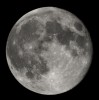
NASA: Moon may have more water than the Great Lakes

The fight to keep Great Lakes water in the Great Lakes isn’t just regional anymore. Things just got global, if not interplanetary. That’s because new NASA-funded research suggests that the amount of water locked up in Earth’s longtime orbital nemesis — the moon — could exceed the volume of the Great Lakes. So unless the region conserves every drop it can, I’ll have to listen to my grandkids prattle on about how “The Great Lakes were cool until their volume was marginalized by the discovery of hydroxyl indigenous to lunar apatite, a water-bearing mineral.” Lousy moon-brats.

Greening of Flint: Mama E faces a dilemma

On Wednesdays through July, Great Lakes Echo will run a video segment expected to become a building block of a finished documentary on the greening of Flint, Mich. This week, Mama E is in a dilemma: Should she stay in Flint or leave?

Breaking the seal of the electronic confessional

Awhile back in this space I groused about Minnesota officials resurrecting the “confessional style” of public hearings. That’s the one where the public shows up and one at a time people privately give comments about controversial issues to representatives of the decision makers. My beef is that such a process robs people of interaction and the synergy that real discussions often produce. It also insulates decision makers from the people affected by their decisions. Now the magic of digital communications has apparently created an electronic version of this wayward attempt to generate input into crtiical public decisions.

Can you hear me now? Great Lakes webinar blues.

(Editor’s note: The frustration expressed in this column prompted Echo to create a series of forums for an interactive discussion of the Great Lakes Water Quality Initiative.)

By Jane Elder

I suppose in the electronic age that using the Internet to gather public input on major policies decision seems like a good idea. Webinar is one of those words that has emerged in the lexicon of the digital age, but my experience is most do not fulfill the expertise and critique functions of seminars nor do they take full advantage of the capacity of web-based communications to really engage public audiences. This week’s attempt to cover eight topics of significant import in the Great Lakes water quality agreement in six two-hour sessions over three days is evidence of how imperfect these technologies can be in promoting dialogue and meaningful input, even if the convener’s intent is good. I’m not a Luddite but I’m no technological whiz. My webinar journey looked something like this.

Discuss the Great Lakes Water Quality Agreement

The U.S. and Canadian governments are updating for the first time in 23 years their agreement to protect and restore the Great Lakes, and they’re asking you to speak up. The governments signed in the Great Lakes Water Quality Agreement in 1972 after the Cuyahoga River caught fire and Lake Erie was declared “dead.” The agreement was crucial to cutting the flow of phosphorus and toxic substances into the lakes and informed future environmental laws like the Clean Water Act, according to an internal review in 2007. But it’s also outdated. It says nothing about emerging threats like climate change and it underplays invasive species.

Great Lakes Water Quality Agreement: Climate change

To contribute to the discussion about the climate change section of the Great Lakes Water Quality Agreement, post your thoughts below. If you want the U.S. and Canadian governments to consider your input, send it to the official website. Currently, the GLWQA does not address the impacts of climate change. During the GLWQA Review period, there was general agreement that the GLWQA should be revised to specifically address pressing threats to the Great Lakes, including the impacts of climate change. Recommendations included the need to understand and predict future climate changes in the Great Lakes system, including an assessment of potential impacts and vulnerabilities.

Great Lakes Water Quality Agreement: Habitat and species

To contribute to the discussion about the habitat and species section of the Great Lakes Water Quality Agreement, post your thoughts below. If you want the U.S. and Canadian governments to consider your input, send it to the official website. Habitats and species are not currently explicitly addressed in the Great Lakes Water Quality Agreement. During the GLWQA review, the Special Issues Working Group (SIWG) addressed biodiversity threats and responses, with specific reference to habitats and species. The SIWG recommended that a revised Agreement address the need for protection, conservation, and recovery of biodiversity as a factor in maintaining or improving water quality.

Great Lakes Water Quality Agreement: Aquatic invasive species

To contribute to the discussion about the aquatic invasive species section of the Great Lakes Water Quality Agreement, post your thoughts below. If you want the U.S. and Canadian governments to consider your input, send it to the official website. The continued introduction of invasive species is one of the most significant threats to biodiversity. Currently there is no binational mechanism to deal with this threat comprehensively. The review of the GLWQA indicated that because aquatic invasive species (AIS) can have known impacts on both water quality and beneficial uses, the issue falls within the scope of the Agreement.