Invasive Species: Sea Lamprey

By Evan KreagerGreat Lakes Echo

The Nature Conservancy has named sea lampreys one of the five “usual suspects” invading the Great Lakes basin. These eel-looking parasites find a host and suck the life out of it. During the length of one life cycle, a sea lamprey can kill up to 40 pounds worth of fish and can grow up to 3 feet long. Sea lampreys are native to the Atlantic Ocean, Lake Ontario and the St. Lawrence River.

Tenth day of Christmas: Alewives croaking

Editor’s Note: It’s an Echo tradition to revisit one of our favorite holiday stories: Tim Campbell’s The Twelve Days of Aquatic Invasive Species Christmas. Campbell rewrote the lyrics of the holiday tune for the Wisconsin Sea Grant in 2011.  We’re publishing a new verse on each of the actual twelve days of Christmas.  
On the tenth day of Christmas, a freighter sent to me…
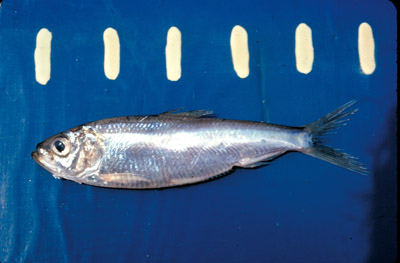
Ten alewives croaking — Alewives are one of the few invasive species that foul Great Lakes beaches throughout the summer. Until the introduction of Pacific salmon, alewives died off in such great numbers that tractors were required to remove them from beaches. Salmon now do a great job controlling alewife numbers, but there are still alewife die-offs due to spawning-related stresses.

Little Things, Big Problems: Spiny water flea

Last year, the Great Lakes Restoration Initiative began producing a series of educational videos about invasive species in the Great Lakes for the National Park Service. New videos are being uploaded this spring, and you can watch the entire “Little Things, Big Problems” series here on Echo. This video discusses the impact spiny water fleas have on the Great Lakes food web.

Invasive gobies staking out new territory

An uninvited outsider is rapidly showing up in new freshwater territory in Wisconsin–and a recent scientific study indicates the increasing impact of the small fish.  Researchers at the University of Wisconsin Center for Limnology found the invasive round goby has increased 10-fold in some of the state’s lakes and rivers. In addition to the Great Lakes, the fish are now showing up in 175 miles of inland streams, according to Matthew Kornis, doctoral candidate at the Center for Limnology. Like many of the known invasive species inhibiting the Great Lakes, the round goby arrived by an ocean-bound ship and was first seen in the Saint Clair River in 1990. “The study,” Kornis says, “raises significant concern of negative effects round gobies will have or already have on Great Lakes tributaries.”

Researchers found a related dramatic decline in native fish in places where gobies thrive.