Wildlife
Climate signals boreal bird movement
|
Citizen science research is helping tell the story of one small songbird and its offbeat migration behavior.
Great Lakes Echo (https://greatlakesecho.org/tag/forests/page/5/)
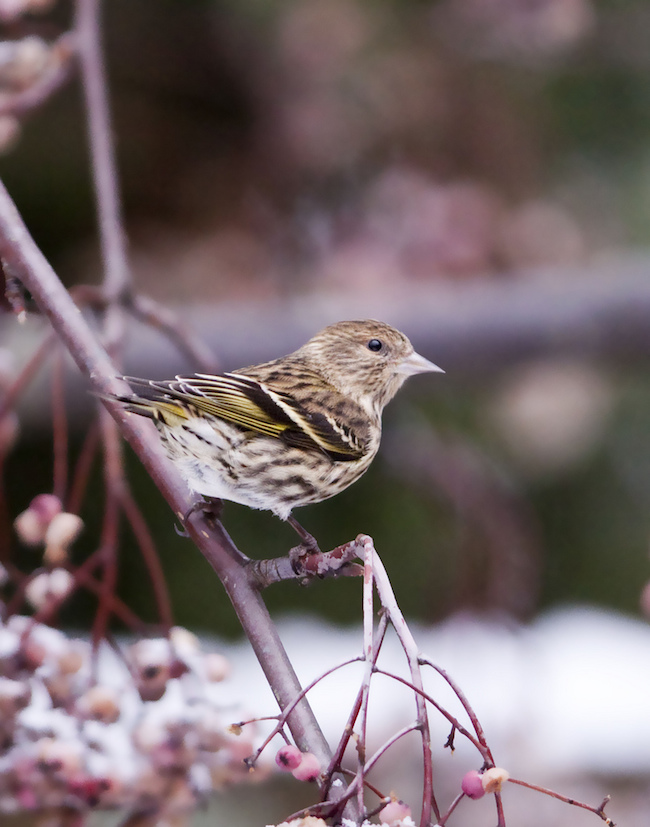
Citizen science research is helping tell the story of one small songbird and its offbeat migration behavior.
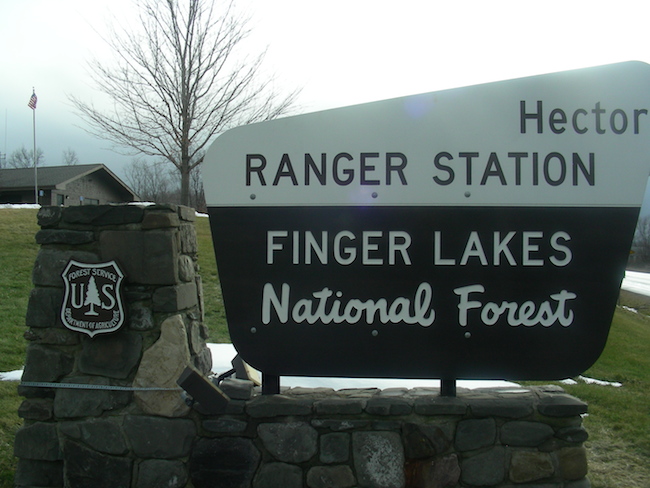
U.S. Forest Service researchers are calling on the once-abundant American elm to improve soil and water quality along New York’s Finger Lakes streams.
By Chris Symons
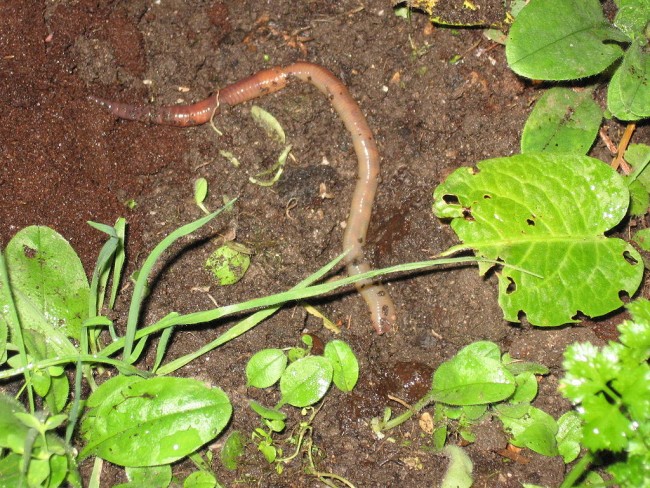
Compost box heroes, or the root of all ecological evil? Worms in Great Lakes forests are not what they seem. Trilliums are smaller, algal blooms are more common and hummingbird populations are decreasing. All of these are made worse by non-native earthworms in Great Lakes soil. A recent study in Ecosystems journal identified four key minerals that earthworms remove from soil and that native plants need to grow.
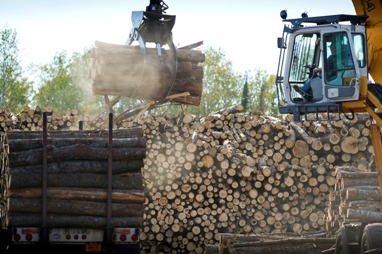
Michigan could expand forest use beyond harvested timber to products such as syrup, furniture and ethanol.

Two years after the Duck Lake fire swept through 21,000 acres in Michigan’s Upper Peninsula, experts this spring will assess the need for new plantings to restore the primarily jack pine forest.
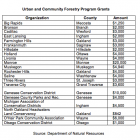
The Michigan Department of Natural Resources will award 21 cities and environmental groups between $800 and $20,000 to help regrow urban forests damaged by the emerald ash borer plague.
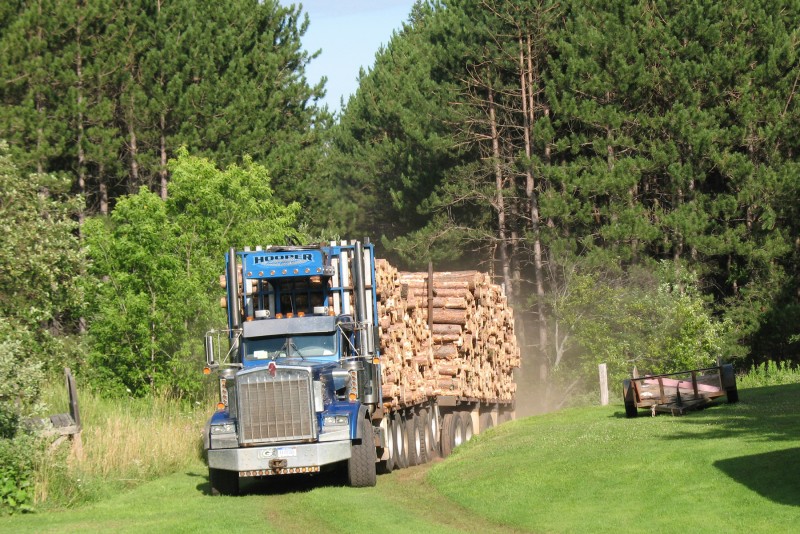
Logging and wood product companies are searching for skilled employees with many experienced foresters and other Northern Michigan workers retiring.

Ohio scientists say they’ve found evidence that the insect has made its way to a new host: the white fringetree.
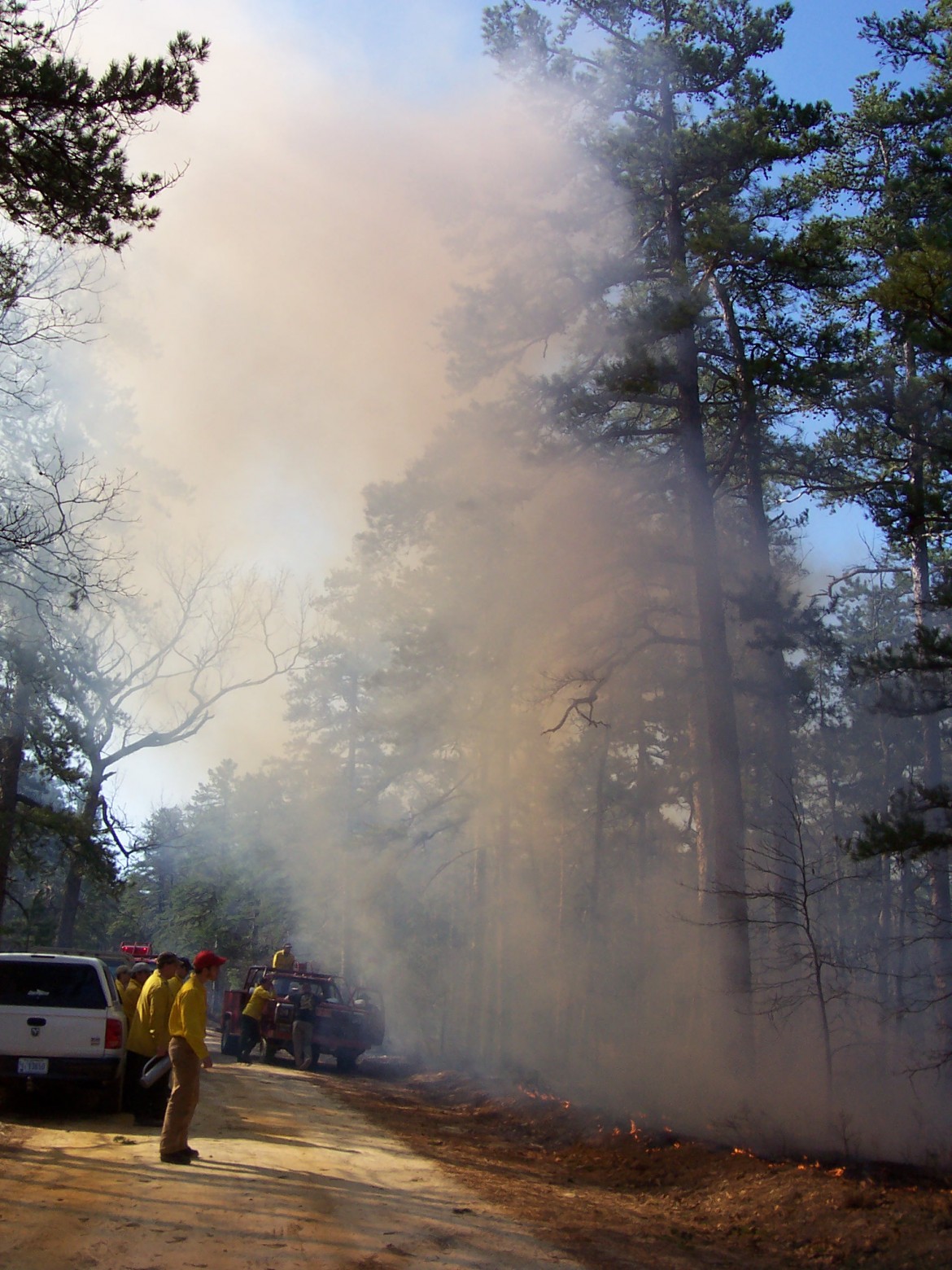
Much like a weather-forecasting model, it calculates changes in air and soil temperatures and wind speed to help fire managers determine where the smoke is headed.

In the Huron-Manastee National Forest, crews responded to 81 wildfires, down from the annual average of 150.