Cities & Suburbs
Data center concerns lead to push for a one-year moratorium on projects
|
By Karlee VanAntwerp
Critics of the proliferation of data centers are calling for a one-year moratorium on the approval of new projects.
Great Lakes Echo (https://greatlakesecho.org/tag/echo/)
By Karlee VanAntwerp
Critics of the proliferation of data centers are calling for a one-year moratorium on the approval of new projects.
By Bauyrzhan Zhaxylykov
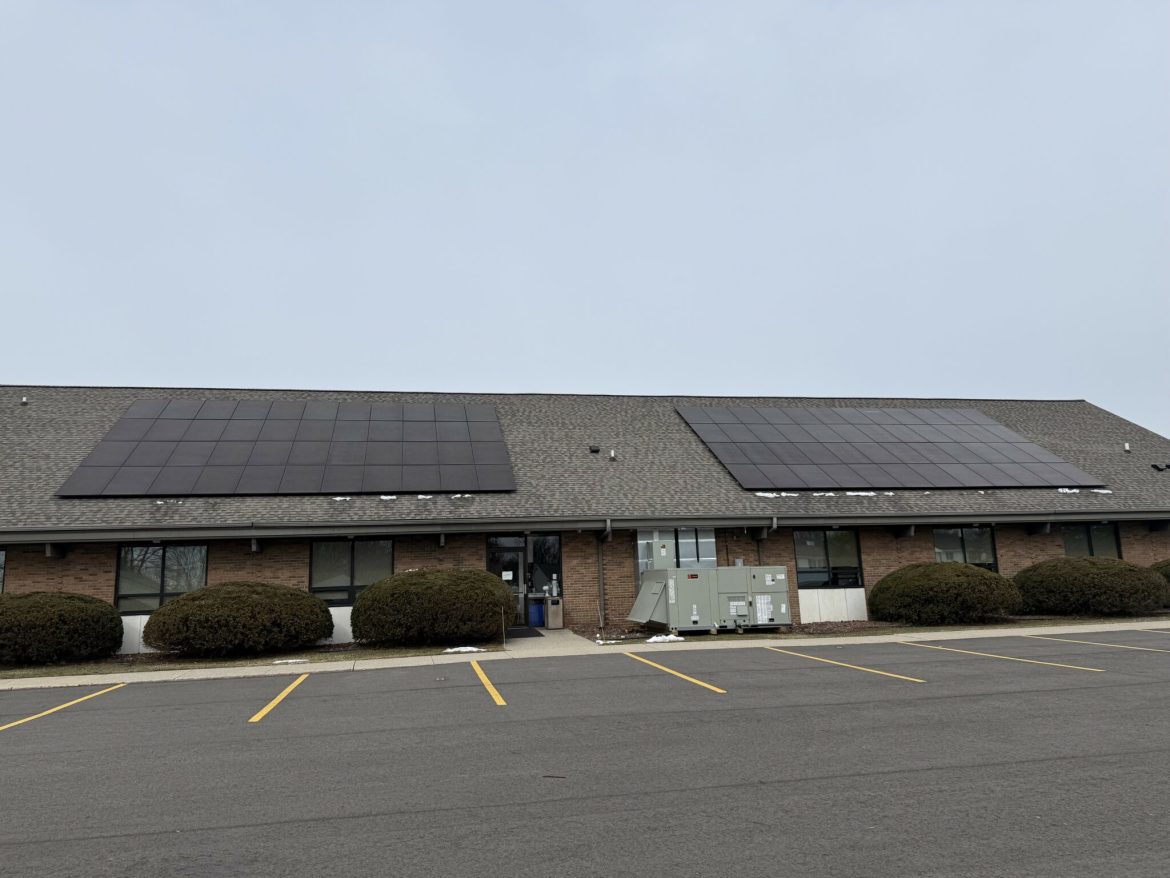
Given dramatic changes in federal energy policy and spending, as well as possible reduction in state financial support for alternative energy projects, is Michigan still on target to reach its clean energy goals?
By Joshua Kim
Following the passing of new legislation by the Illinois General Assembly, the Regional Transport Authority, soon to be the Northern Illinois Transit Agency, will receive an additional $1.2 billion for its annual budget this year. The additional funding will be used to improve “frequency, reliability, and safety”
By Joshua Kim
“Chicago Transit Hikes,” a new book by Lindsay Welbers, aims to help Chicago residents and visitors reach outdoor recreation sites car-free.
By Isabella Figueroa Nogueira
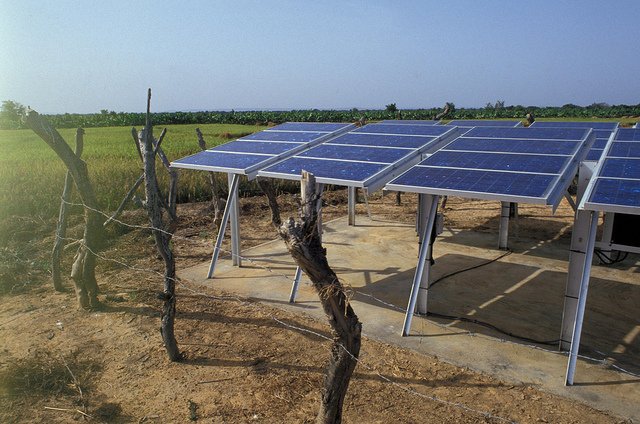
A recent study examines how solar projects could be planned in ways that benefit rural communities without significantly increasing electricity costs.
By Anna Ironside
Carolyn Miller is a botanical technologist at Michigan State University’s W.J. Beal Botanical Garden, as well as a master’s student. Her work has made her a driving force behind restoration projects on campus and beyond. From invasive species removal days to a growing movement to replace traditional turf lawns with native landscapes, Miller doesn’t quit.
By Kyrmyzy Turebayeva
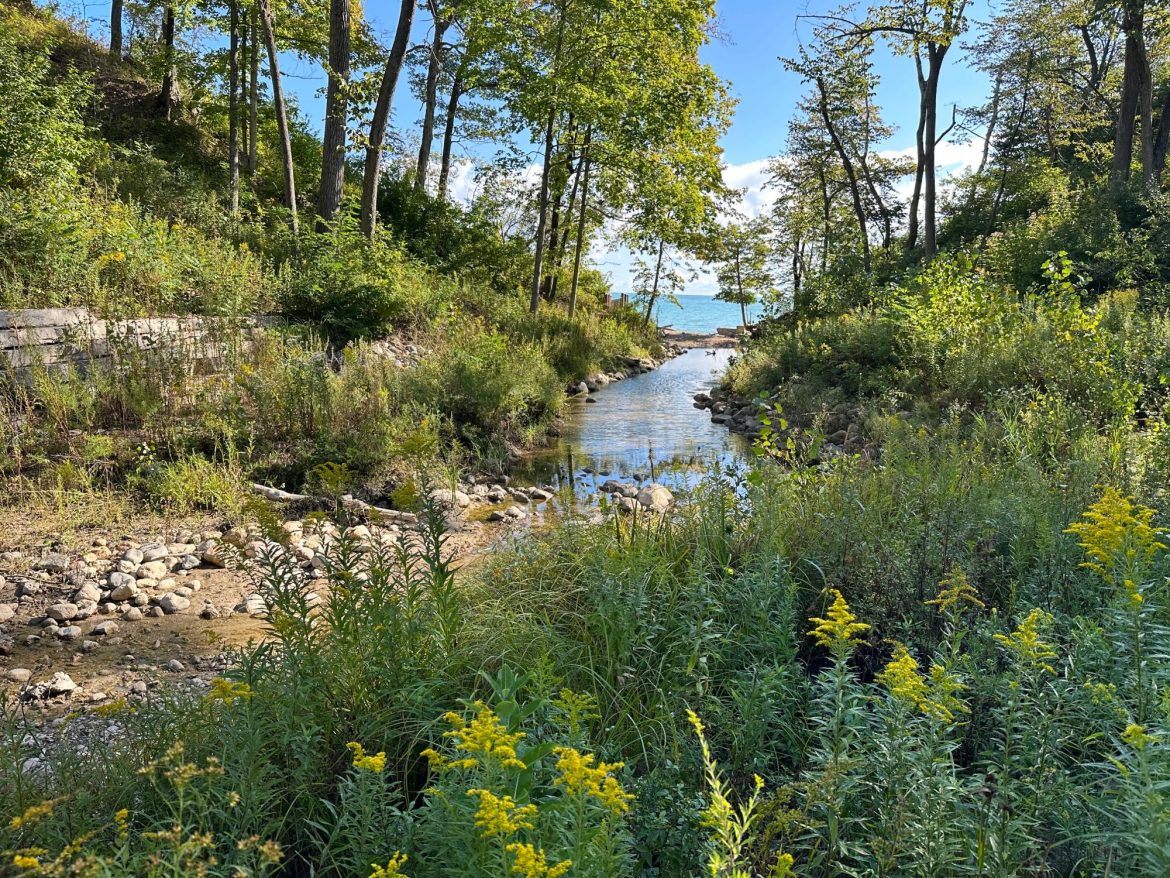
A new study documents a fivefold increase in shoreline armoring along Lake Michigan’s Eastern coast.
By Kyrmyzy Turebayeva
More than 30 years ago, a group of scientists planted just 4,200 seeds of the rare Pitcher’s thistle in the sandy dunes of the Great Lakes. At the time, no one knew if the new populations would survive. Today, three decades later, the restored populations are thriving and spreading.
By Kyrmyzy Turebayeva
In the late 1970s, when most wildlife conservation programs in the United States focused almost exclusively on game species, a quiet but historic shift began in Minnesota. It was here that one of the nation’s first state programs dedicated to protecting so-called nongame wildlife emerged from butterflies and bats to bald eagles and river otters. That story is now told in detail by Carrol Henderson in his new book, “A National Legacy: Fifty Years of Nongame Wildlife Conservation in Minnesota.”
By Clara Lincolnhol
The U.S. would need to invest nearly $3.4 trillion over the next 20 years to fix and update drinking water, wastewater and stormwater infrastructure, says researchers from The Value of Water Campaign. Much of that infrastructure was built 40 to 50 years ago and shows its age. Michigan’s is no exception. The American Society of Civil Engineers gave the state a D+ for its drinking water infrastructure, a D in storm water management and a C for its wastewater infrastructure. Funding is a major problem. Proposed data centers would put more stress on the infrastructure.