Skip to content
  • logo
  • logo
  • Home
  • Solutions
  • Agriculture
  • Water
  • Cities & Suburbs
  • Nearshore
  • Recreation
  • Wildlife
  • Energy
  • Waste
  • About
  • Contact

Great Lakes Echo - Environmental news of the Great Lakes region

Great Lakes Echo (https://greatlakesecho.org/tag/contamination/page/2/)

  • Home
  • Solutions
  • Agriculture
  • Water
  • Cities & Suburbs
  • Nearshore
  • Recreation
  • Wildlife
  • Energy
  • Waste
  • About
  • Contact
Subscribe

contamination

Contaminants

Firefighting chemical linked to water safety concerns

By Jeremy Wahr | September 17, 2018

A firefighting foam has been linked to a group of chemicals known to be harmful to infants, toddlers and pregnant women. But it is still kept on hand because firefighters say they don’t have effective alternatives.
contamination

Great Lakes waters threaten Beluga whales

By Lucy Schroeder | July 26, 2017

Stew of persistent organic pollutants harms their ability to reproduce.

Contaminants

New flame retardant threat documented in Great Lakes

By Lucy Schroeder | March 21, 2017

The persistent contaminant is a problem, even though it has replaced a different flame retardant that is more troublesome.

Energy

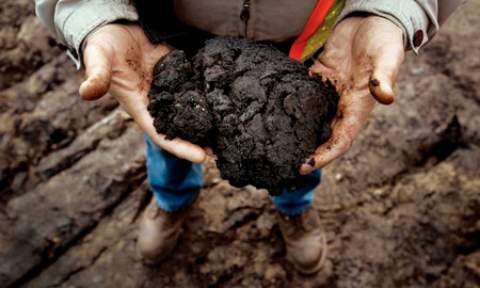
Octopipelines: Scientists, activists, industry leaders seek oil transport solutions

By Kayla Smith | January 20, 2016

Collaboration between citizens and oil companies could reduce the risk of future environmental disasters.

Waste

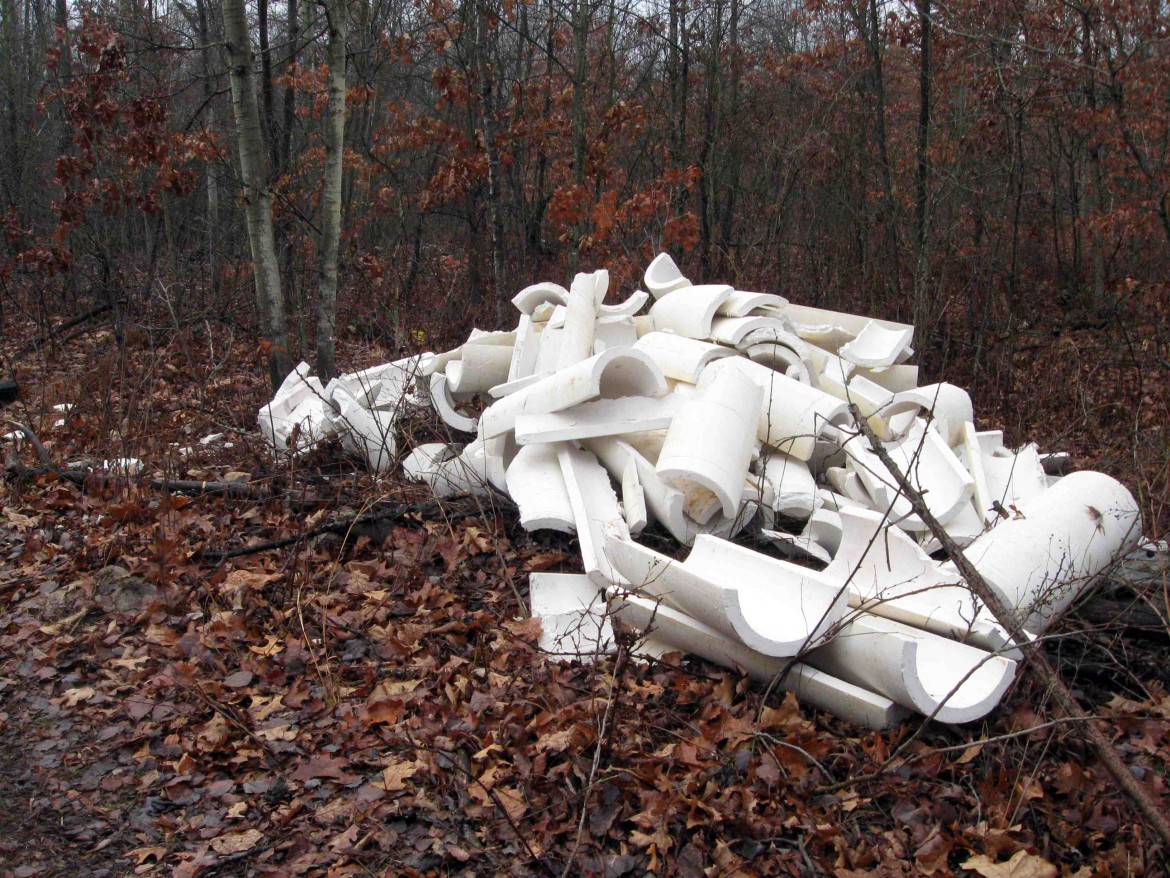
Asbestos probe leads to jail term in Ohio

By Eric Freedman | July 30, 2015

Company president gets 30 days in jail, 240 days community service and must pay restitution.

Land
Current State logo

Mid-Michigan to use $500K EPA grant for brownfield assessments

By WKAR Current State | June 8, 2015

Mid-Michigan will be using a $500 million dollar grant from the U.S. Environmental Protection Agency to evaluate so-called “brownfield” sites for environmental and health hazards.

Wildlife

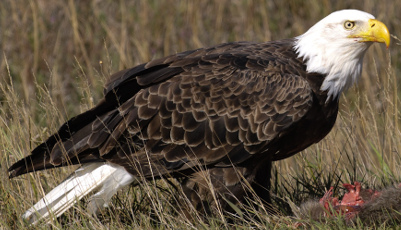
Winged Wednesday: What does your old couch have to do with an eagle’s health?

By | February 11, 2015

Michigan’s bald eagles are among the most contaminated birds on the planet when it comes to phased-out flame retardant chemicals in their livers, according to new research.

Water

Video: Pine River cleanup reaches milestone

By Guest Contributor | December 8, 2014

Removal of dam rids community of another ugly reminder of decades-long cleanup that is still ongoing.

Water

Photo Friday: Wall that once split contaminated river removed

By Great Lakes Echo | November 14, 2014

A milestone for St. Louis! Construction crews are in the process of removing a metal sheet pile wall from the Pine River near the Velsicol superfund site.

Water

Michigan, New York, Minnesota test fisheater’s blood for contaminants

By | October 27, 2014

Blood and urine of volunteers were tested for PCBs, pesticides, mercury, lead and cadmium as part of federal health study.

Load more articles

About Great Lakes Echo

Environmental news of the Great Lakes region from the Knight Center for Environmental Journalism at Michigan State University.

  • Winter makes curved roads dangerous; researchers seek solutions

    By Eric Freedman Flashing light on warning signs near curves can slow drivers and reduce the odds of a crash during winter weather conditions, says a new study by Michigan State University engineers.

  • The cover of “Dead Moose on Isle Royale: Off Trail with the Citizen Scientists of the Wolf-Moose Project." The cover is moose antlers on the ground.
    Great Lakes books for your holiday gift list 

    By Eric Freedman   Looking for a holiday gift for a reader who loves the Great Lakes? Here are five prospects to consider – and what our reporters learned from interviewing their authors this year.

  • A side-by-side of the historic Portage Canal and modern Portage Canal from an aerial view.
    Restoration of historical site improves quality of life for Portage, Wisconsin residents

    By Joshua Kim Following the completion of segments 1 and 2 of the Portage Canal, local residents and visitors can use the historic site and its amenities following years of disrepair.

  • What herring gulls tell us about plastic pollution

    By Victoria Witke Christina Petalas, a doctoral student McGill University, studies herring gulls to learn about plastic pollution near the St. Lawrence River. Across two studies, she found plastic additives in every bird sampled, which could have human health consequences.

  • Scientists update geological map of northern Wisconsin, Michigan’s Upper Peninsula 

    By Kyrmyzy Turebayeva The U.S. Geological Survey has began large-scale low-level airplane flights over Michigan's Upper Peninsula and northern Wisconsin to obtain high-resolution data on subsurface mineral structures and bedrock composition. The data will be used to create two- and three-dimensional maps to better understand the geological structure at depths of about 10,000 feet.

  • ‘Refusal is insisting on your own terms’: Indigenous activism in the Midwest

    By Isabella Figueroa Nogueira “Indigenous Activism in the Midwest: Refusal, Resurgence and Resisting Settler Colonialism” explores how Dakota and Anishinaabe communities in Minnesota continue their relationships to the land and challenge dominant settler narratives about ownership, belonging and identity.

  • Cannabis workers are developing job-related asthma and some have died, study says

    By Clara Lincolnhol New research says workers picking, grinding and packaging cannabis are developing workplace-related asthma, and two deaths have occurred so far.

  • Swiss researcher studies ‘abandonment tourism’ in Detroit

    By Camila Bello Castro A recent case study of a former “abandonment tourism” business in Detroit found a disconnect between the lived experience of many city residents and the lives of the tour participants who were generally white, younger and more international than most Detroiters and generally first-time visitors to the city.

  • Wolves hunt beavers in Isle Royale National Park, changing the ecosystem

    By Akia Thrower A new study reveals how gray wolves in Isle Royale National Park seasonally alter their habitat preferences to align with beavers’ habitat preferences, a shift that might have implications for the island’s ecosystem.

  • Green clues: Crime-busters turn to moss to help solve crimes 

    By Eric Freedman Tiny pieces of moss can be crime-busters, says a study examining how law enforcement agencies, forensic teams and botanists have used moss to solve murders, track missing people, calculate how long ago someone died and – in a notorious Mason County case – try to locate the body of a baby murdered by her father.

  • Great Lakes Echo

Contact Us

Email: GreatLakesEcho@gmail.com
Phone: 517-432-1415

Search This Site

Browse Archives

© Copyright 2025, Great Lakes Echo

Built with the Largo WordPress Theme from the Institute for Nonprofit News.

Back to top ↑