This broad category encompasses fish. It is further divided on the main menu with tags for mammals, insects, amphibians, birds, mussels, invaders and endangered wildlife.
Canadian scientists are launching a robotic kayak equipped with echo sounder sensors in the Welland Canal this week to see if invasive fish such as the Asian carp could travel between Lake Ontario and Lake Erie.
Now that we’ve let you in on the big invasive worm secret, we’re letting you know how to help. Great Lakes Worm Watch is hosting the fourth annual Big Worming Week, which started Sunday and will run through Oct. 2nd. Things started in the Hartley Nature Center where the Worm Watch team taught the public how to sample plots and collect valuable data on worms.
The team offers workshops all year to prepare folks to help out during Big Worming Week. While they encourage and will accept samples year-round, Big Worming Week minimizes the data’s seasonal variability and makes comparing the results easier. In addition to workshops telling you how to be a scientist, there’s a game show about worms, tools to identify worms, books about worms and other wormy things.
A nonpoisonous Lake Erie water snake is no longer listed as a federally endangered species. The snake’s numbers plunged as more people settled Lake Erie’s western islands, according to the Toledo Blade. Populations rebounded after federal and state agencies protected inland and shoreline hibernation and breeding grounds. Earning federal protection in 1999, the water snake is the 23rd species to be delisted, according to the U.S. Fish and Wildlife Service.
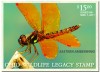
If you live in Ohio and see a salamander scattering past, don’t scream and swat it. Shoot it, instead. With a camera, that is. The Ohio Department of Natural Resources’ Third Annual Wildlife Legacy Stamp photo contest is underway. Focusing on a different animal each year, this contest hopes to promote the diversity of Ohio’s wildlife.
It’s not often that an invasive species is welcomed into its host community. But some northern Michigan beekeepers want to keep spotted knapweed around because honey bees collect nectar from it.
A $3 million federal cut from sea lamprey control in 2012 could cause many of Michigan’s charter boat captains to go out of business.
With video of lamprey sterilization.
Welcome to the Great Lakes SmackDown! Terrestrial Terror
Which terrestrial invasive species is the most ecologically destructive to the Great Lakes region? We want you to tell us. We’ll follow the NCAA tournament and pit 16 of the most formidable terrestrial invasive species against each other in “land brawls.” We also threw in a few aquatic wildcard species. We’ll ask biologists, resource managers, invasive species experts and Echo readers to weigh in on each battle.