Wildlife
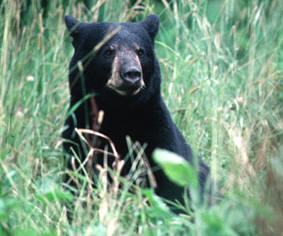
Hunt for crop-eating bears could start early
|
In 32 years, there has rarely been a season when Michigan farmer and politician Ed McBroom, R-Vulcan, hasn’t found bear damage in his cornfield.
Now, he’s fighting to do something about it.
Great Lakes Echo (https://greatlakesecho.org/category/wildlife/page/55/)
This broad category encompasses fish. It is further divided on the main menu with tags for mammals, insects, amphibians, birds, mussels, invaders and endangered wildlife.
In 32 years, there has rarely been a season when Michigan farmer and politician Ed McBroom, R-Vulcan, hasn’t found bear damage in his cornfield.
Now, he’s fighting to do something about it.
Severe winter weather may lead to the death of some invasive species, according to a recent study, but some experts aren’t convinced.
Endangered Kirtland’s warblers spend the summer nesting only in certain areas of Michigan, Wisconsin and Ontario.
They winter in the Bahamas. Researchers are using tiny light sensors to track how the birds travel between those areas.
Advances in technology help researchers track the birds to get a better understanding of their migration route to the Bahamas.

Opportunities of this magnitude to protect the Great Lakes are rare and don’t last forever.

Invasive species are a problem, but are they a death sentence for the ecosystems that they infect?
Not quite, according to a new university study.
Is hunting consistent with species recovery?
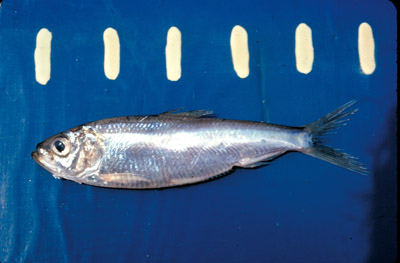
Editor’s Note: It’s an Echo tradition to revisit one of our favorite holiday stories: Tim Campbell’s The Twelve Days of Aquatic Invasive Species Christmas. Campbell rewrote the lyrics of the holiday tune for the Wisconsin Sea Grant in 2011. We’re publishing a new verse on each of the actual twelve days of Christmas.
On the tenth day of Christmas, a freighter sent to me…
Ten alewives croaking — Alewives are one of the few invasive species that foul Great Lakes beaches throughout the summer. Until the introduction of Pacific salmon, alewives died off in such great numbers that tractors were required to remove them from beaches. Salmon now do a great job controlling alewife numbers, but there are still alewife die-offs due to spawning-related stresses.
A bear-poaching incident in Manistee County has attracted a lot of public and press attention – and shed light on a continuing poaching problem throughout Michigan.

by Lacee Shepard
Local officials could restrict ownership of carrier pigeons on a community—by-community basis under a new Michigan proposal. Sen. Hoon-Yung Hopgood , D-Taylor, introduced a bill that would allow cities and townships to decide their own restrictions on carrier pigeons. The bill began after Hopgood received a constituent complaint about a neighbor owning too many carrier pigeons. “We thought we should give the cities the ability to do what make sense for a given community,” Hopgood said. “Then they can look out for the health and welfare of local residents.”
The proposal wouldn’t allow a local ban on the bird but would allow local governments to impose a limit on ownership if they see fit, Hopgood said.