Homepage Featured
Federal funds aid efforts to plug orphan wells
|
Michigan, Ohio and Pennsylvania have each received a $25 million grant from the federal government through the Infrastructure Investment and Jobs Act to plug orphan wells.
Great Lakes Echo (https://greatlakesecho.org/category/water/page/7/)
Includes water quality, quantity and use.
Michigan, Ohio and Pennsylvania have each received a $25 million grant from the federal government through the Infrastructure Investment and Jobs Act to plug orphan wells.
Into October, there were higher air temperatures in the entire northwest region than ever before.
Measurements from a 2021 study show that Lake Michigan’s salt content has risen up to fifteen times its natural level since the 1800s, but the effects of these high levels are only now being understood.
Since 2014, local communities have spent over $1 billion trying to clean up the water.
A Michigan State University study estimates that up to $5.9 million annually in economic activity is lost in Michigan’s small portion of Lake Erie due to harmful algal blooms.
When we were thinking about a new museum devoted to one of the most beautiful and interesting things on our planet – ice – we had to think hard about how best to display and preserve this delicate substance. So welcome to the Museum of Ice, Michigan’s largest museum, open daily (weather permitting) between December and March. Just step outside anywhere in the state and you’re in the museum.
Algal blooms are wreaking havoc in Lake Erie, but the Michigan Department of Natural Resources (DNR) has a plan: Wetlands.
The Ohio Department of Natural Resources (DNR) and Environmental Protection Agency have demonstrated a new technology designed to reduce harmful algal blooms as part of a wide range of efforts on both sides of the Canada-U.S. border to address the threat of Eutrophication on the Great Lakes and other inland bodies of water.
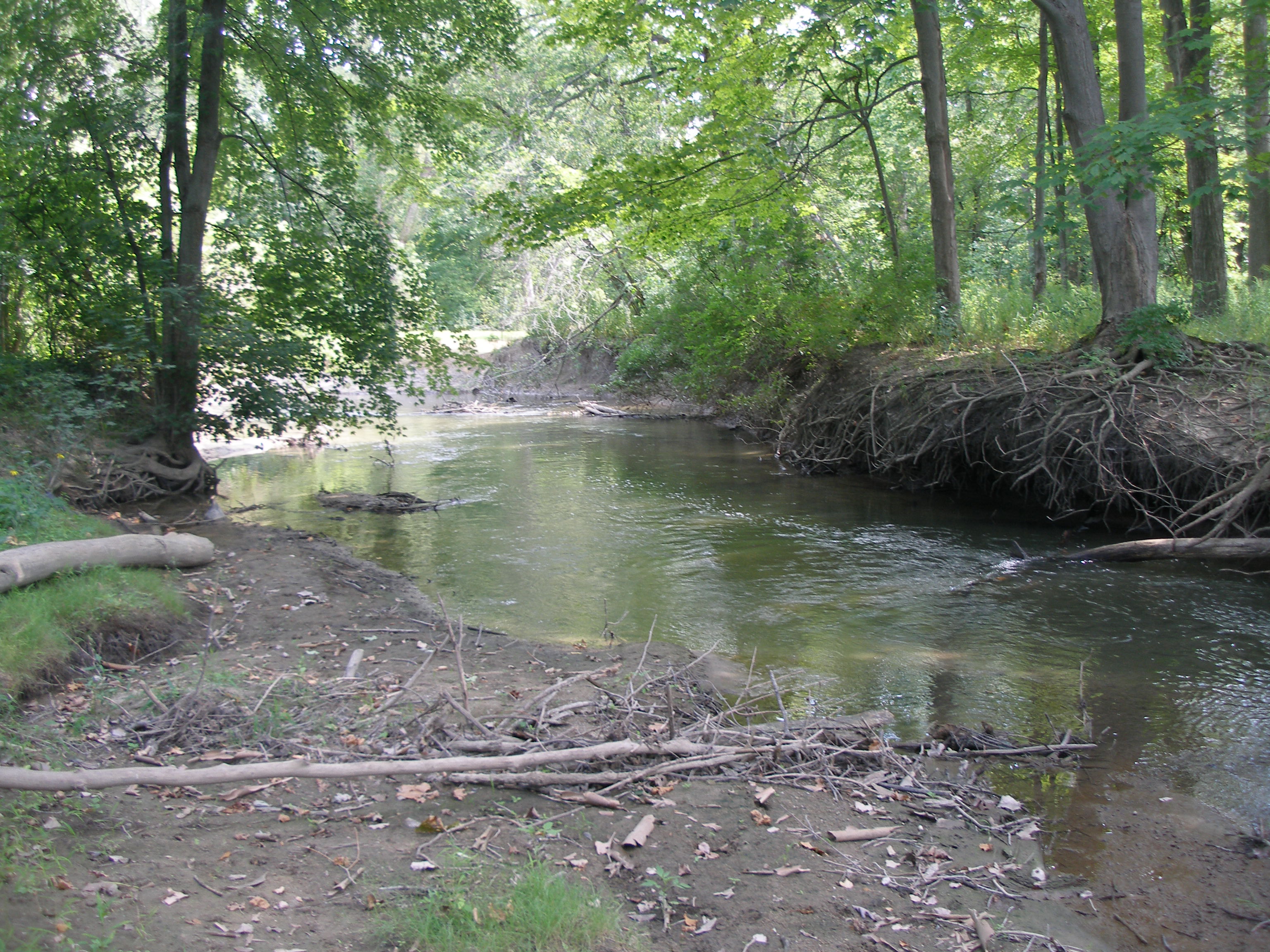
A new book details the decades-long cleanup of Detroit’s River Rogue, which was once one of the most polluted watersheds in America. However, there is still more work to be done.
A University of Windsor graduate student is creating erosion sensors, called transducers, for less than 5% of the commercial cost. The devices help researchers understand how boat wakes erode the shoreline.