Echo

The most viewed Echo stories of 2013
|
It was a busy year for Echo; after all, it was the year of Michigan’s wolf hunt and the year of the Great Lakes Storm’s centennial anniversary. We look back at the year’s stories that got the most views.
Great Lakes Echo (https://greatlakesecho.org/category/test/page/66/)
Stories that have not been categorized default to here.
It was a busy year for Echo; after all, it was the year of Michigan’s wolf hunt and the year of the Great Lakes Storm’s centennial anniversary. We look back at the year’s stories that got the most views.
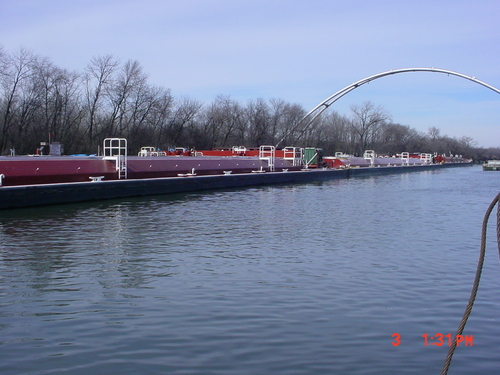
Editor’s Note: It’s an Echo tradition to revisit one of our favorite holiday stories: Tim Campbell’s The Twelve Days of Aquatic Invasive Species Christmas.
Campbell rewrote the lyrics of the holiday tune for the Wisconsin Sea Grant in 2011. We’re publishing a new verse on each of the actual twelve days of Christmas.
On the first day of Christmas, a freighter sent to me.. A carp barrier in the city! — There is not only one electric barrier in Chicago, but three!
It’s safe to say most of us take for granted that when we turn on our faucets, clean water comes out. But where does our drinking water come from? How clean is it? And how much responsibility do we, as individuals, have to ensure that our water stays clean?

The ever popular and widespread Master Gardener Volunteer Program – which teaches people how to turn horticultural research into community projects – is approaching another year.
In Michigan, the program approaches its 35th anniversary looking to, among other things, rejuvenate Belle Isle and install a therapy garden in a Detroit-area shelter for abused women.

In the spirit of our “Green Gridirons” series (but just in case college football wasn’t your thing), the “Big Ten’s Eco Efforts” series highlights creative off-the-field sustainability efforts. In the market for a karaoke machine or a piñata? What about a tie-dye lawn chair? The Hoosier to Hoosier sale may provide you with exactly what you’re looking for. It is a reuse program established in 2010 to prevent dorm furnishings from being taken to landfills during student move-out.

A football stadium may have green grass but does it have green habits? Each week, Great Lakes Echo highlights a Big Ten football stadium’s attempts to do the most to impact the environment the least. All schools have information on the stadium’s diversion rate – the amount of waste recycled instead of put in a landfill. Stadium: Ohio Stadium
School: Ohio State University
Built: 1922
Capacity: 102,329
2012 diversion rate: 87.2 percent
Scouting report: Ohio State claims to have the largest stadium to have achieved zero waste, something that requires a 90 percent diversion rate or more. Ohio Stadium’s highest diversion rate was 98.2 percent, against Illinois on Nov.
Mr. Great Lakes (Jeff Kart) reports from Bay City, Michigan’s Delta College Q-90.1 FM. Dec. 6, 2013: The Environment Report – Mr. Great Lakes (Jeff Kart) by jeffkart
This week, Kart discusses an energy development project in Tuscola County and hazardous chemicals found in holiday beads. Text at Mr. Great Lakes

In this series, Echo samples successful and ongoing restoration projects in each Great Lakes state.
Ohio projects include saving the rare Lake Erie watersnake and the removal of the Euclid Creek dam.

Gary Wilson takes a look at some of the common myths surrounding the Great Lakes and how they have come to be perceived as realities.
As the tar sands industry continues to grow, a pressing issue is finding ways to transport the crude oil to midwest refineries. Some are hoping to ship tar sands across the Great Lakes, while others fear another disaster like the Kalamazoo spill.