Snow delays spring corn planting, asparagus harvest

By Nick Stanek

Farmers may be off to a late start this year after snowfall and low temperatures put them behind schedule. There is good news and bad news associated with the snow. The heavy snow insulated the ground, protecting micro-organisms that are good for corn. But the high water remaining in fields could strain the industry, said corn grower Scott Lonier, owner of Lonier Farms near Lansing. “We are at the mercy of Mother Nature right now,” he said.

Landowner off the hook for Superfund clean up in New York

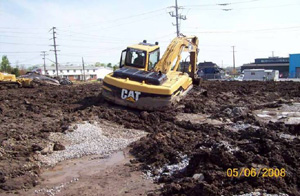
The 2nd Circuit U.S. Court of Appeals  ruled that the landowner had fulfilled all its responsibilities under the Superfund law — officially called the Comprehensive Environmental Response, Compensation and Liability Act, or CERCLA. The decision apparently leaves the subcontractor that hauled away the contaminated soil out of luck. Here’s what happened, according to legal documents:

Norampac Industries Inc. discovered that property it owned in Cheektowaga, near Buffalo, was polluted with lead and other contaminants. It negotiated a brownfield cleanup agreement with the New York Department of Environmental Conservation in 2006. Company lawyer John Horn of Buffalo said the property known as the N.L. Industries site had been used for brass foundry and smelting operations and for processing an alloy of tin, copper and antimony from 1892 until 1972.

Connecting environmental justice and biodiversity

When the U.S. Supreme Court held last year that farmers can be liable for damages if they use patented seeds for more than one planting, the decision highlighted a debate over growers’ rights, intellectual property and agricultural sustainability.

Photo Friday: Pitcher’s thistle

Here’s a reminder of Great Lakes beaches in warmer times. This plant is the federally and state-protected Pitcher’s thistle, which is also known as a dune thistle. The photo was taken last summer by habitat restoration specialist Terry Heatlie at Bois Blanc Island in north Lake Huron between Michigan’s Upper and Lower Peninsulas. The Pitcher’s thistle is native exclusively to the Great Lakes region, according to the National Fish and Wildlife Service. It was added to the government’s list of threatened species back in 1988.

Calling all students and teachers: Young Reporters for the Environment Competition

Student reporters and educators alike — the National Wildlife Federation’s “Young Reporters for the Environment Competition” is looking for your environmental work! The contest is open to students ages 13-21. Eligible submissions should demonstrate investigation about an environmental topic, offer solutions, and reflect knowledge of how the topic relates both globally and to the community. Contest entries are accepted as:
-Single photograph
-Photo essay, consisting of no more than 12 photos
-A written article, no more than 1000 words
-Video, no more than three minutes long

The deadline for submissions is March 15, 2014. National winners, which are announced at the end of April, are then entered into the competition’s international level.

Hantz Woodlands ready to plant Detroit

Back in 2010, Echo reported on John Hantz’s plans to build the world’s largest urban farm in Detroit.

After cutting through red tape and shifting plans to center on building an urban tree farm, the project is starting to unfold.

Landscope: Highway shaped Gaylord growth

In this installment of our “Landscope” series, get a bird’s eye view of the northern Michigan town of Gaylord, which has seen much economic development in the last couple decades.