
Skip to content
  • logo
  • logo
  • Home
  • Solutions
  • Agriculture
  • Water
  • Cities & Suburbs
  • Nearshore
  • Recreation
  • Wildlife
  • Energy
  • Waste
  • About
  • Contact

Great Lakes Echo - Environmental news of the Great Lakes region

Great Lakes Echo (https://greatlakesecho.org/author/dave/page/9/)

  • Home
  • Solutions
  • Agriculture
  • Water
  • Cities & Suburbs
  • Nearshore
  • Recreation
  • Wildlife
  • Energy
  • Waste
  • About
  • Contact
Subscribe

David Poulson

David Poulson is the editor of Great Lakes Echo. He also is the associate director of Michigan State University's Knight Center for Environmental Journalism where he teaches environmental, investigative and computer-assisted reporting. Before coming to MSU in 2003, he was a daily newspaper reporter and editor for 22 years, a period when he mostly covered environmental issues in the Great Lakes region. He is on the advisory boards for Michigan Sea Grant and MSU's Environmental Science and Policy Program and on the board of directors for the Society of Environmental Journalists. test

Catch of the Day

Great Lakes climate crisis solutions featured by reporting collaboration

By David Poulson | May 21, 2019

It’s a coordinated look at Midwest attempts to limit greenhouse gases.

Homepage Featured

Are wolves fish friends or foes?

By Karrun Farmaha | May 20, 2019

Keeping deer and elk in check results in better fish habitat. But wolves are also known to fish during spawning runs.

Climate

Canadian study: Wide water level swings, erratic snowfall in store for Great Lakes

By Cassidy Hough | May 15, 2019

The first comprehensive look at climate change impacts on Canada says the country is warming twice as fast as much of the rest of the world.
Birds

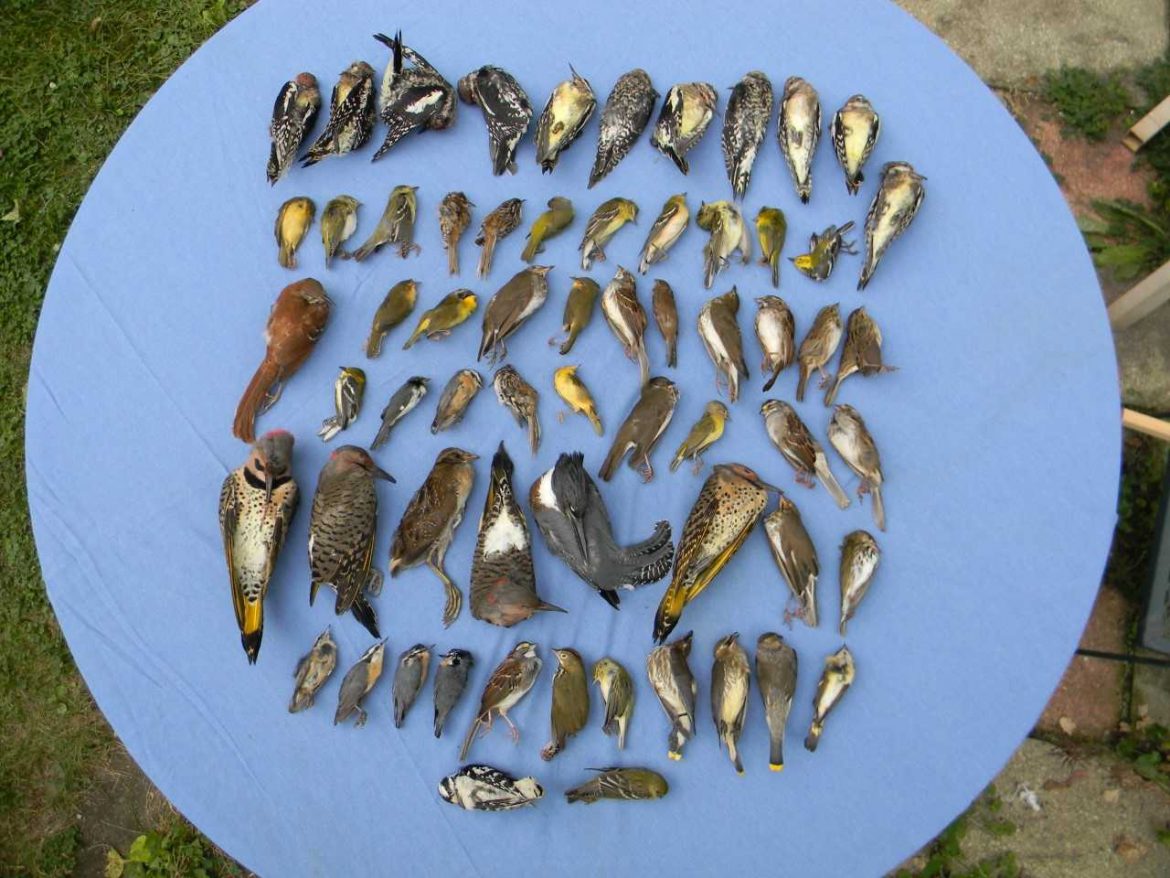
Chicago a bird death trap of glass and light

By Finn O'Keefe | May 13, 2019

People might think that a larger city like New York would be guilty of more bird-window collisions than Chicago, but an unfortunate combination of building structures and geographical placement proves to be deadlier than size.
Homepage Featured

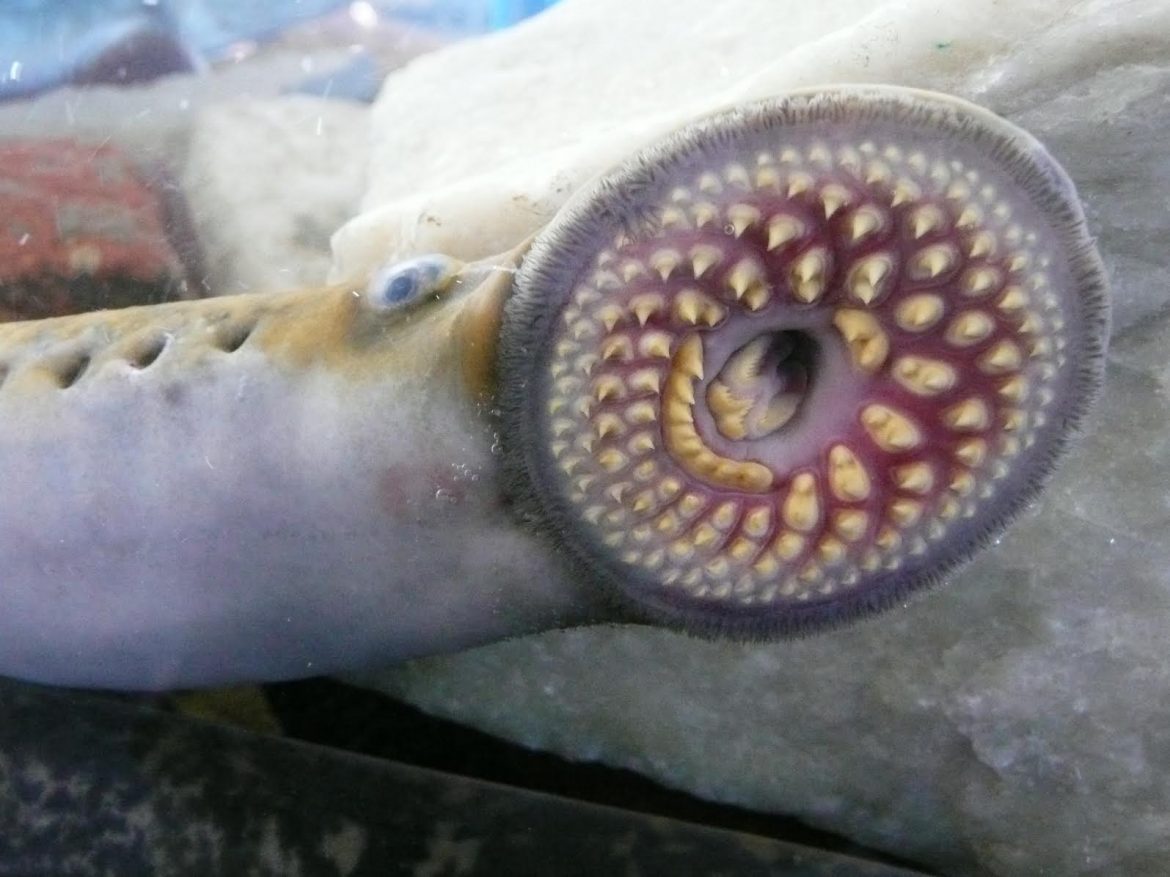
Alarm cues and fish sorters are new weapons in lamprey fight

By Claire Moore | April 30, 2019

Multiple methods needed to control destructive Great Lakes invader.
Lake Erie algae
Algae

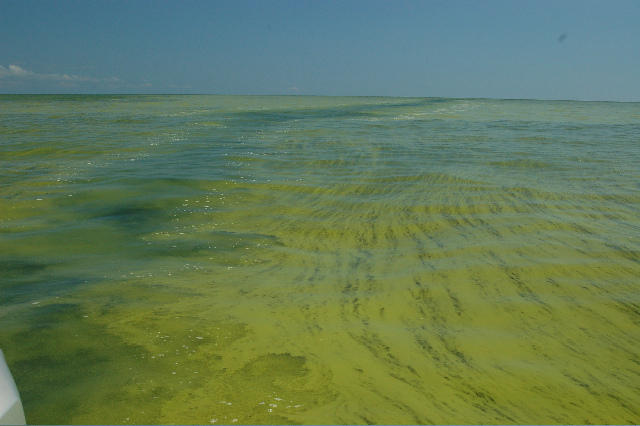
Granting rights to a resource

By Kelsi Kroll | April 29, 2019

Lake Erie Bill of Rights under fire.

Areas of Concern

Cuyahoga cleanup means it’s safer to eat Cuyahoga fish

By Andrew Blok | April 26, 2019

It is one step in a decades long cleanup after the river and its fires helped spark environmental awareness nationwide.
groundwater

Groundwater reform needs to happen now, experts say

By Kelsi Kroll | April 24, 2019

A “silent crisis” is brewing beneath Michigan, that threatens what experts say could be considered Michigan’s Sixth Great Lake.

Birds

Your coffee choice could save a blackpoll warbler

By Finn O'Keefe | April 23, 2019

They’ll soon be here in the Great Lakes basin, a crucial stop on a 12,400 flight from Canada to the Amazon.

Art

Paddling partners show how to explore Michigan’s Leelanau County

By Cassidy Hough | April 22, 2019

School retirees and friends blaze a trail across the region’s waterways and tell others how to follow.

Load more articles

About Great Lakes Echo

Environmental news of the Great Lakes region from the Knight Center for Environmental Journalism at Michigan State University.

  • Headshot of Ethan Theuerkauf
    Growth in shoreline armoring is reshaping Michigan’s Lake Michigan coast

    By Kyrmyzy Turebayeva A new study documents a fivefold increase in shoreline armoring along Lake Michigan’s Eastern coast.

  • How seeds from the past are saving a unique flower of the Great Lakes

    By Kyrmyzy Turebayeva More than 30 years ago, a group of scientists planted just 4,200 seeds of the rare Pitcher’s thistle in the sandy dunes of the Great Lakes. At the time, no one knew if the new populations would survive. Today, three decades later, the restored populations are thriving and spreading.

  • Henderson holding a swan
    From otters to butterflies: How Minnesota became a pioneer in nongame wildlife conservation

    By Kyrmyzy Turebayeva In the late 1970s, when most wildlife conservation programs in the United States focused almost exclusively on game species, a quiet but historic shift began in Minnesota. It was here that one of the nation’s first state programs dedicated to protecting so-called nongame wildlife emerged from butterflies and bats to bald eagles and river otters. That story is now told in detail by Carrol Henderson in his new book, “A National Legacy: Fifty Years of Nongame Wildlife Conservation in Minnesota."

  • Michigan’s water infrastructure sees improvements, work still needs to be done

    By Clara Lincolnhol The U.S. would need to invest nearly $3.4 trillion over the next 20 years to fix and update drinking water, wastewater and stormwater infrastructure, says researchers from The Value of Water Campaign. Much of that infrastructure was built 40 to 50 years ago and shows its age. Michigan’s is no exception. The American Society of Civil Engineers gave the state a D+ for its drinking water infrastructure, a D in storm water management and a C for its wastewater infrastructure. Funding is a major problem. Proposed data centers would put more stress on the infrastructure.

  • Mussels in a green net.
    Endangered spectaclecase mussels reintroduced into the Chippewa River

    By Ada Tussing To combat the population loss of spectaclecase mussels, researchers with both the Minnesota and the Wisconsin Department of Natural Resources released over 177 mussels into the Chippewa River in Northwest Wisconsin.

  • Michigan allocates $77 million to clean thousands of contaminated sites

    By Clara Lincolnhol Michigan is pouring $77 million into clean-up of contaminated abandoned real estate such as former factories. The director of the Department of Environment, Great Lakes and Energy says the goal is to make the cleaned-up sites safe for housing, commercial developments and other uses.

  • Winter makes curved roads dangerous; researchers seek solutions

    By Eric Freedman Flashing light on warning signs near curves can slow drivers and reduce the odds of a crash during winter weather conditions, says a new study by Michigan State University engineers.

  • The cover of “Dead Moose on Isle Royale: Off Trail with the Citizen Scientists of the Wolf-Moose Project." The cover is moose antlers on the ground.
    Great Lakes books for your holiday gift list 

    By Eric Freedman   Looking for a holiday gift for a reader who loves the Great Lakes? Here are five prospects to consider – and what our reporters learned from interviewing their authors this year.

  • A side-by-side of the historic Portage Canal and modern Portage Canal from an aerial view.
    Restoration of historical site improves quality of life for Portage, Wisconsin residents

    By Joshua Kim Following the completion of segments 1 and 2 of the Portage Canal, local residents and visitors can use the historic site and its amenities following years of disrepair.

  • What herring gulls tell us about plastic pollution

    By Victoria Witke Christina Petalas, a doctoral student McGill University, studies herring gulls to learn about plastic pollution near the St. Lawrence River. Across two studies, she found plastic additives in every bird sampled, which could have human health consequences.

  • Great Lakes Echo

Contact Us

Email: GreatLakesEcho@gmail.com
Phone: 517-432-1415

Search This Site

Browse Archives

© Copyright 2026, Great Lakes Echo

Built with the Largo WordPress Theme from the Institute for Nonprofit News.

Back to top ↑