Echo
Lake Michigan shipwreck added to National Register of Historic Places
|
Now submerged in Green Bay, the ship was launched in 1890 in Manitowoc, Wisconsin, from the Burger & Burger shipyard.
Great Lakes Echo (https://greatlakesecho.org/tag/history/)
Now submerged in Green Bay, the ship was launched in 1890 in Manitowoc, Wisconsin, from the Burger & Burger shipyard.

Researchers are studying a long-vanished village near southern Lake Michigan that a World War II arsenal helped preserve.

Jim DuFresne reflects on hiking in an Upper Peninsula area with connections to Ernest Hemingway.

A historic archaeological site on the shore of the Grand River in Ottawa County’s Crockery Township may contain the largest collection of Upper Great Lakes cache pits ever excavated.
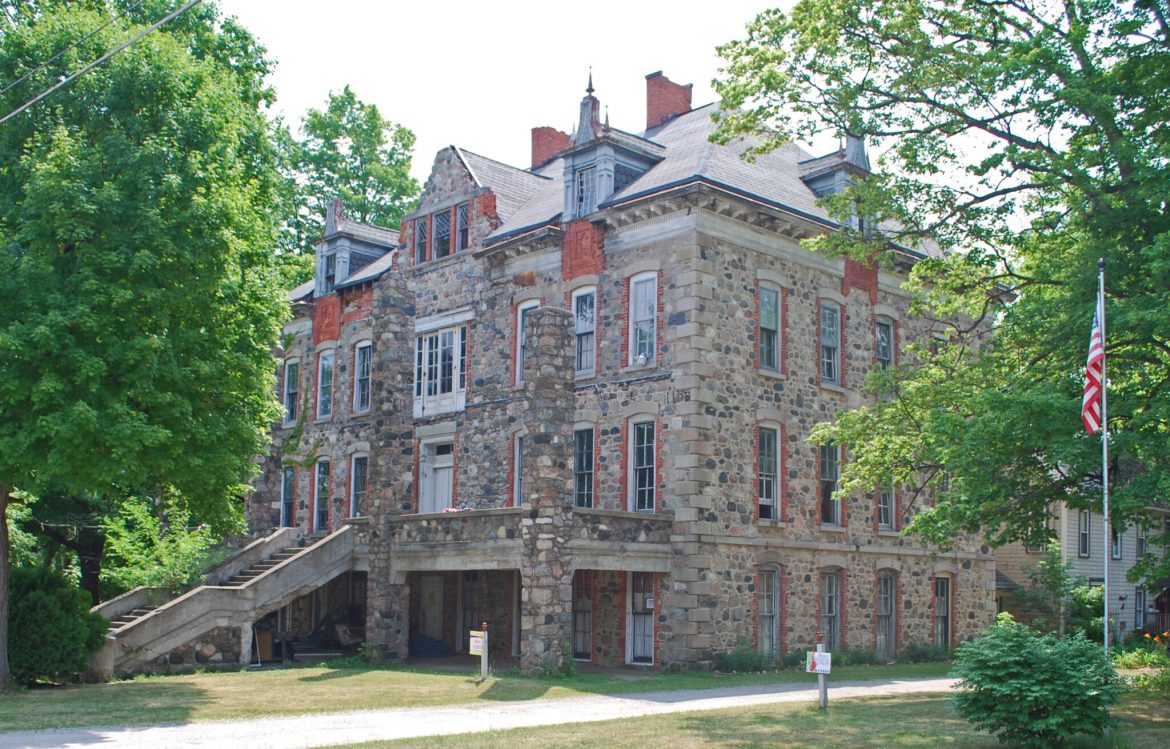
The once-honored Beechwood Store in Iron River Township, the Flint Brewing Co., the shipwrecked schooner Alvin Clark in Menominee, the Fenton Seminary and the majestic Grand Riviera Theater in Detroit have all disappeared from the prestigious National Register of Historic Places. The National Park Service recently removed their recognition because they’ve been demolished, no longer retain their historic integrity and cannot convey their historic significance, the State Historic Preservation Office says.

Why is the waterpark capital of the world in central Wisconsin?That’s the question that caused a team at the Museum of Wisconsin Art to search for photographs to trace the history of the Wisconsin Dells.
A recent study looked at the intestinal contents of two mastodons preserved in lake sediments in Michigan and Ohio.
The prehistoric Hopewell civilization of southern Ohio traveled as far as 750 miles to get copper. That was 2,000 years ago.
The National Park Service has put Isle Royale – Minong in Ojibwe – on the National Register of Historic Places. The action formally recognizes centuries of historic legacies of the 400-island archipelago in Lake Superior, including copper mining, fishing, hunting, trapping, recreation and a wide range of uses by the Grand Portage Band of Lake Superior Chippewa.
Archaeological excavations at four sites in Michigan’s Upper Peninsula are shedding new light on historic maple sugaring operations and the people – mostly Native Americans and French-Canadians – who ran them.