Skip to content
  • logo
  • logo
  • Home
  • Solutions
  • Agriculture
  • Water
  • Cities & Suburbs
  • Nearshore
  • Recreation
  • Wildlife
  • Energy
  • Waste
  • About
  • Contact

Great Lakes Echo - Environmental news of the Great Lakes region

Great Lakes Echo (https://greatlakesecho.org/tag/climate-change/page/6/)

  • Home
  • Solutions
  • Agriculture
  • Water
  • Cities & Suburbs
  • Nearshore
  • Recreation
  • Wildlife
  • Energy
  • Waste
  • About
  • Contact
Subscribe

Climate change

Agriculture

Warm weather raises concern among Great Lakes maple syrup producers

By Ian Wendrow | March 14, 2017

Warmer temperatures has forced maple syrup farmers to adapt to a changing climate and worry about the future of their industry.
Climate

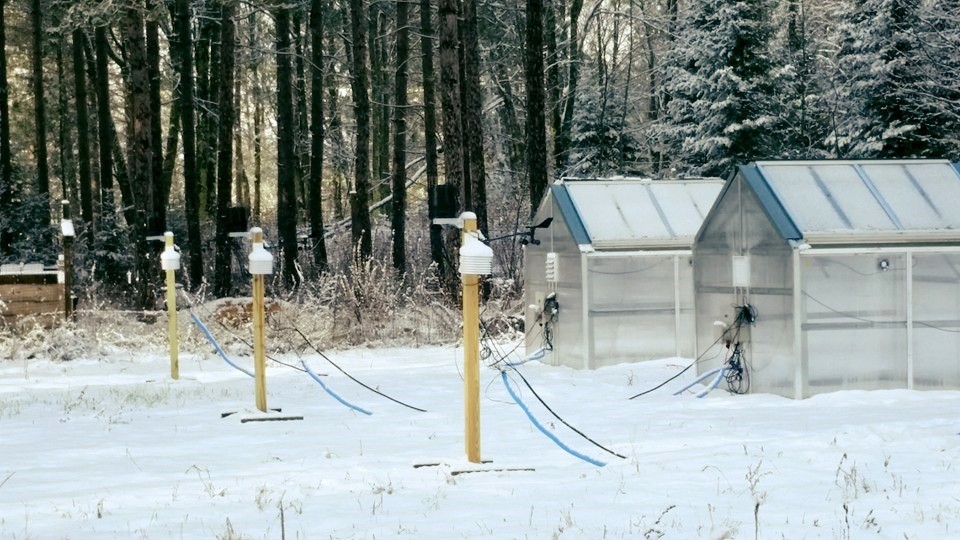
Scientists explore the mysterious inner space of the subnivium

By Carin Tunney | January 3, 2017

Their research could reveal how climate change impacts Great Lakes plants and animals.

Climate change

Michigan man on decades-long quest to photograph native orchids

By Karen Hopper Usher | November 4, 2016

Nature photographer Mark S. Carlson has spent decades finding and photographing the rarest and most beautiful orchids in Michigan, a state with some of the most species of the flowers.
Water

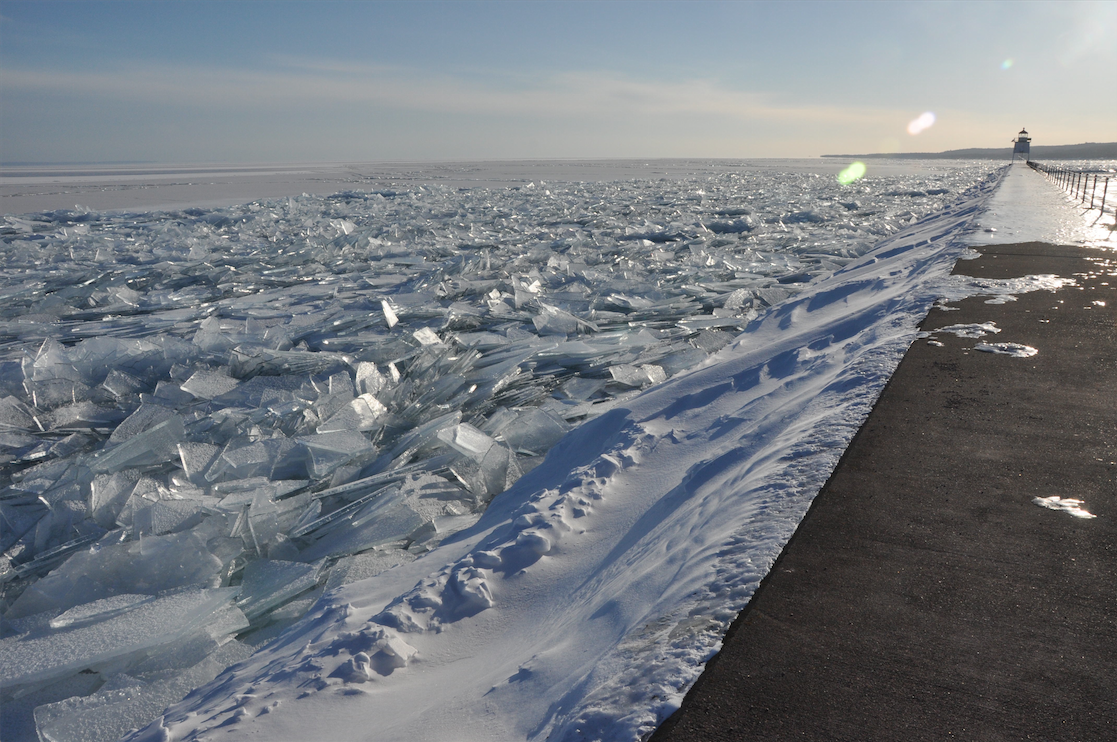
Peering beneath Great Lakes ice

By Colleen Otte | November 2, 2016

A recent study may lead to better predictions of wintry water conditions as researchers use new techniques to look below and listen to Great Lakes ice.

Climate

Chicago teens explore climate resilience

By Morgan Linn | October 31, 2016

A federal grant awarded to the Chicago Museum of Science and Industry will be used to teach students climate science on a sphere.

Birds

Great Lakes forest birds mostly stable or increasing

By Josh Bender | August 15, 2016

But 25-year study by 700 birdwatchers in three national forests found that climate change restricts the range of some of them.

Climate

Animation shows Great Lakes ice cover fluctuations

By Josh Bender | June 1, 2016

Climate change, El Nino, geography, solar reflection and other factors create a complex formula that determines how much ice forms on the Great Lakes.
Climate

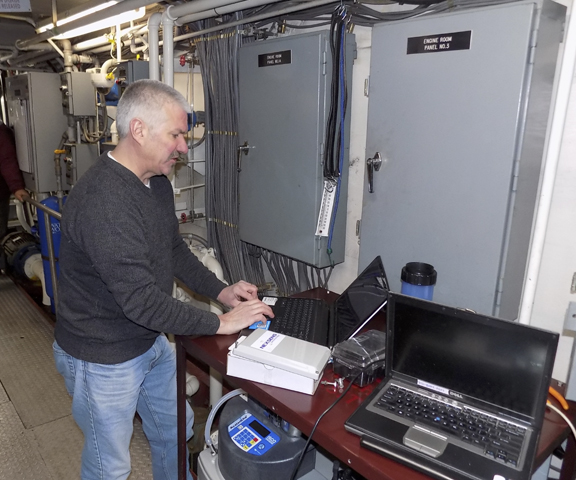
Researchers get fresh Great Lakes data from aboard Beaver Island ferry

By Josh Bender | May 17, 2016

The effort helps meet the challenge of collecting data on a complex lake with ever-changing physical conditions.
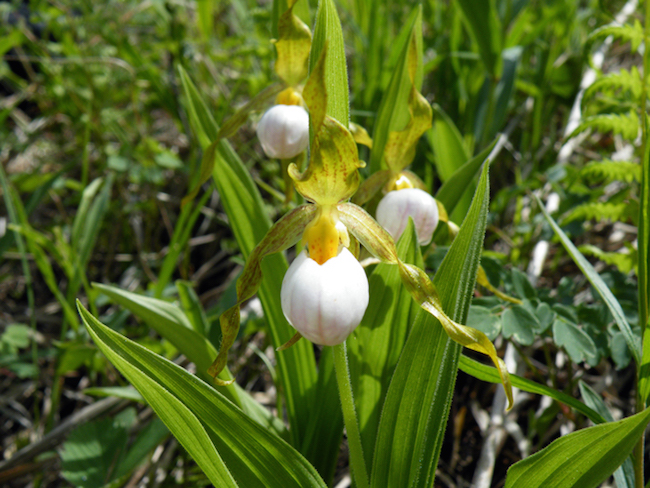
Small white lady's slipper
Climate change

Climate change threatens rare Minnesota orchid

By Kevin Duffy | March 18, 2016

A new climate model predicts future environmental pressures on a rare orchid called the small white lady’s slipper.
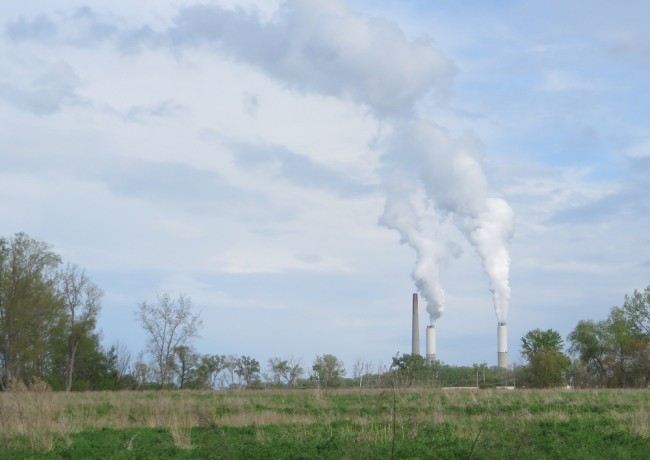
Monroe power plant
Energy

Michigan researchers put price tag on climate liability for fossil-fuel plants

By Andy Balaskovitz | January 21, 2016

Coal-fired power plants could be billion-dollar liabilities for utilities if their greenhouse gas emissions are challenged in court.

Load more articles

About Great Lakes Echo

Environmental news of the Great Lakes region from the Knight Center for Environmental Journalism at Michigan State University.

  • How seeds from the past are saving a unique flower of the Great Lakes

    By Kyrmyzy Turebayeva More than 30 years ago, a group of scientists planted just 4,200 seeds of the rare Pitcher’s thistle in the sandy dunes of the Great Lakes. At the time, no one knew if the new populations would survive. Today, three decades later, the restored populations are thriving and spreading.

  • Henderson holding a swan
    From otters to butterflies: How Minnesota became a pioneer in nongame wildlife conservation

    By Kyrmyzy Turebayeva In the late 1970s, when most wildlife conservation programs in the United States focused almost exclusively on game species, a quiet but historic shift began in Minnesota. It was here that one of the nation’s first state programs dedicated to protecting so-called nongame wildlife emerged from butterflies and bats to bald eagles and river otters. That story is now told in detail by Carrol Henderson in his new book, “A National Legacy: Fifty Years of Nongame Wildlife Conservation in Minnesota."

  • Michigan’s water infrastructure sees improvements, work still needs to be done

    By Clara Lincolnhol The U.S. would need to invest nearly $3.4 trillion over the next 20 years to fix and update drinking water, wastewater and stormwater infrastructure, says researchers from The Value of Water Campaign. Much of that infrastructure was built 40 to 50 years ago and shows its age. Michigan’s is no exception. The American Society of Civil Engineers gave the state a D+ for its drinking water infrastructure, a D in storm water management and a C for its wastewater infrastructure. Funding is a major problem. Proposed data centers would put more stress on the infrastructure.

  • Mussels in a green net.
    Endangered spectaclecase mussels reintroduced into the Chippewa River

    By Ada Tussing To combat the population loss of spectaclecase mussels, researchers with both the Minnesota and the Wisconsin Department of Natural Resources released over 177 mussels into the Chippewa River in Northwest Wisconsin.

  • Michigan allocates $77 million to clean thousands of contaminated sites

    By Clara Lincolnhol Michigan is pouring $77 million into clean-up of contaminated abandoned real estate such as former factories. The director of the Department of Environment, Great Lakes and Energy says the goal is to make the cleaned-up sites safe for housing, commercial developments and other uses.

  • Winter makes curved roads dangerous; researchers seek solutions

    By Eric Freedman Flashing light on warning signs near curves can slow drivers and reduce the odds of a crash during winter weather conditions, says a new study by Michigan State University engineers.

  • The cover of “Dead Moose on Isle Royale: Off Trail with the Citizen Scientists of the Wolf-Moose Project." The cover is moose antlers on the ground.
    Great Lakes books for your holiday gift list 

    By Eric Freedman   Looking for a holiday gift for a reader who loves the Great Lakes? Here are five prospects to consider – and what our reporters learned from interviewing their authors this year.

  • A side-by-side of the historic Portage Canal and modern Portage Canal from an aerial view.
    Restoration of historical site improves quality of life for Portage, Wisconsin residents

    By Joshua Kim Following the completion of segments 1 and 2 of the Portage Canal, local residents and visitors can use the historic site and its amenities following years of disrepair.

  • What herring gulls tell us about plastic pollution

    By Victoria Witke Christina Petalas, a doctoral student McGill University, studies herring gulls to learn about plastic pollution near the St. Lawrence River. Across two studies, she found plastic additives in every bird sampled, which could have human health consequences.

  • Scientists update geological map of northern Wisconsin, Michigan’s Upper Peninsula 

    By Kyrmyzy Turebayeva The U.S. Geological Survey has began large-scale low-level airplane flights over Michigan's Upper Peninsula and northern Wisconsin to obtain high-resolution data on subsurface mineral structures and bedrock composition. The data will be used to create two- and three-dimensional maps to better understand the geological structure at depths of about 10,000 feet.

  • Great Lakes Echo

Contact Us

Email: GreatLakesEcho@gmail.com
Phone: 517-432-1415

Search This Site

Browse Archives

© Copyright 2026, Great Lakes Echo

Built with the Largo WordPress Theme from the Institute for Nonprofit News.

Back to top ↑