Michigan bats found with white-nose fungus

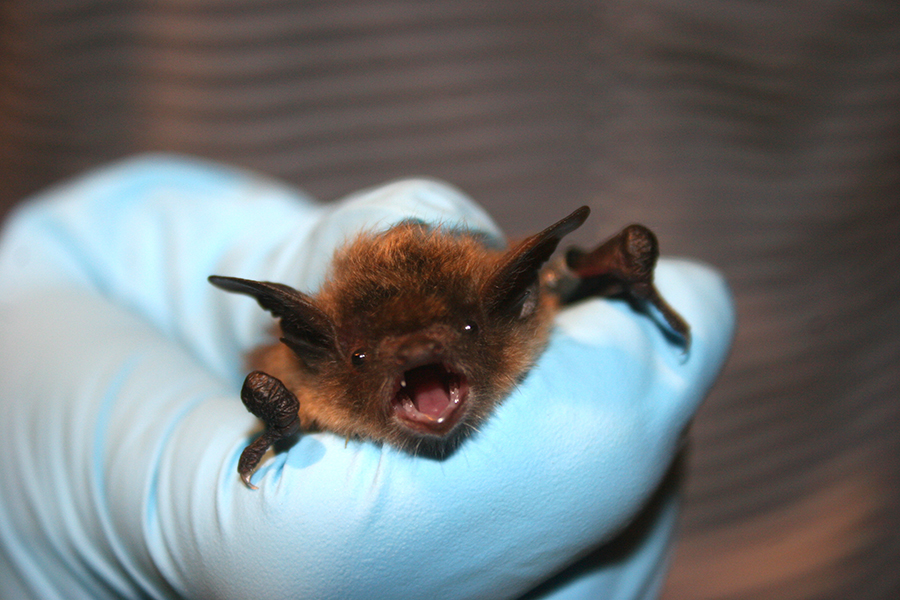
A fungus that has already killed more than 10 million bats nationwide has been found for the first time in Michigan. White-nose syndrome was confirmed April 10 in little brown bats in Alpena, Dickinson and Mackinac counties. It is expected to spread quickly through the state, said Bill Scullon, wildlife biologist and statewide bat coordinator for the Department of Natural Resources. The bats were found during a routine winter inspection done by researchers contracted by the department. Michigan farmers, foresters and homeowners count on bats as the primary predators of nighttime insects.


Your turn: grab a hammer and help build Echo’s future

You are reading a milestone — the 3,000th post on Great Lakes Echo. And we’re celebrating with a new look. Echo recently turned five years old. That’s ancient for Internet publications, particularly those that produce news. But this facelift is no middle-aged desperate grasp to retain youth.

Great Lakes vulnerable as new threats loom

Commentary
Wall Street’s incessant past performance is no guarantee of future results disclaimer has applications to Great Lakes issues too. Here’s what I mean. The period between 2004 and 2009 were heady days for the Great Lakes and their advocates. In that short span, President George W. Bush signed off on the concept of federal support for Great Lakes restoration and President Barack Obama started funding it. Bush also signed into law the Great Lakes Compact.

Congress expands Great Lakes dredging

 
Everybody knows water flows, but not many people know that the sediment below it does too. That’ s why harbors need dredging, or excavating the gradually accumulated material at the bottom of the water and transporting it elsewhere. U.S. Army Corps of Engineers Detroit District had planned eight dredging projects in Michigan and Wisconsin for 2014 worth $13.2 million. But Congress recently allocated an additional $17.8 million. That allows the district to include eight new projects and increase funding for four of the original projects.

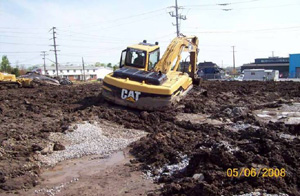
Landowner off the hook for Superfund clean up in New York

The 2nd Circuit U.S. Court of Appeals  ruled that the landowner had fulfilled all its responsibilities under the Superfund law — officially called the Comprehensive Environmental Response, Compensation and Liability Act, or CERCLA. The decision apparently leaves the subcontractor that hauled away the contaminated soil out of luck. Here’s what happened, according to legal documents:

Norampac Industries Inc. discovered that property it owned in Cheektowaga, near Buffalo, was polluted with lead and other contaminants. It negotiated a brownfield cleanup agreement with the New York Department of Environmental Conservation in 2006. Company lawyer John Horn of Buffalo said the property known as the N.L. Industries site had been used for brass foundry and smelting operations and for processing an alloy of tin, copper and antimony from 1892 until 1972.