Wildlife
Winged Wednesday: Quebec’s toxic gulls offer clues about flame retardants
|
Scientists have found that not only are flame retardants present in the birds but could be damaging their health and reducing their population.
Great Lakes Echo (https://greatlakesecho.org/prominence/homepage-featured/page/208/)
If you are using the Newspaper or Carousel optional homepage layout, add this label to posts to display them in the featured area on the homepage.
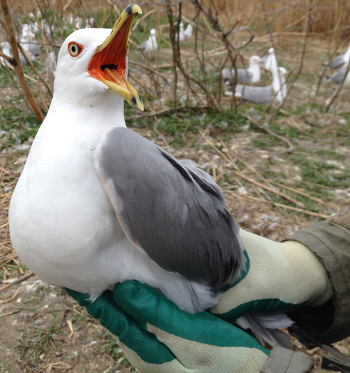
Scientists have found that not only are flame retardants present in the birds but could be damaging their health and reducing their population.

An old management cliché is that no one was ever fired for hiring IBM. But the tried and true route that once served corporate America also doesn’t serve Great Lakes advocates.
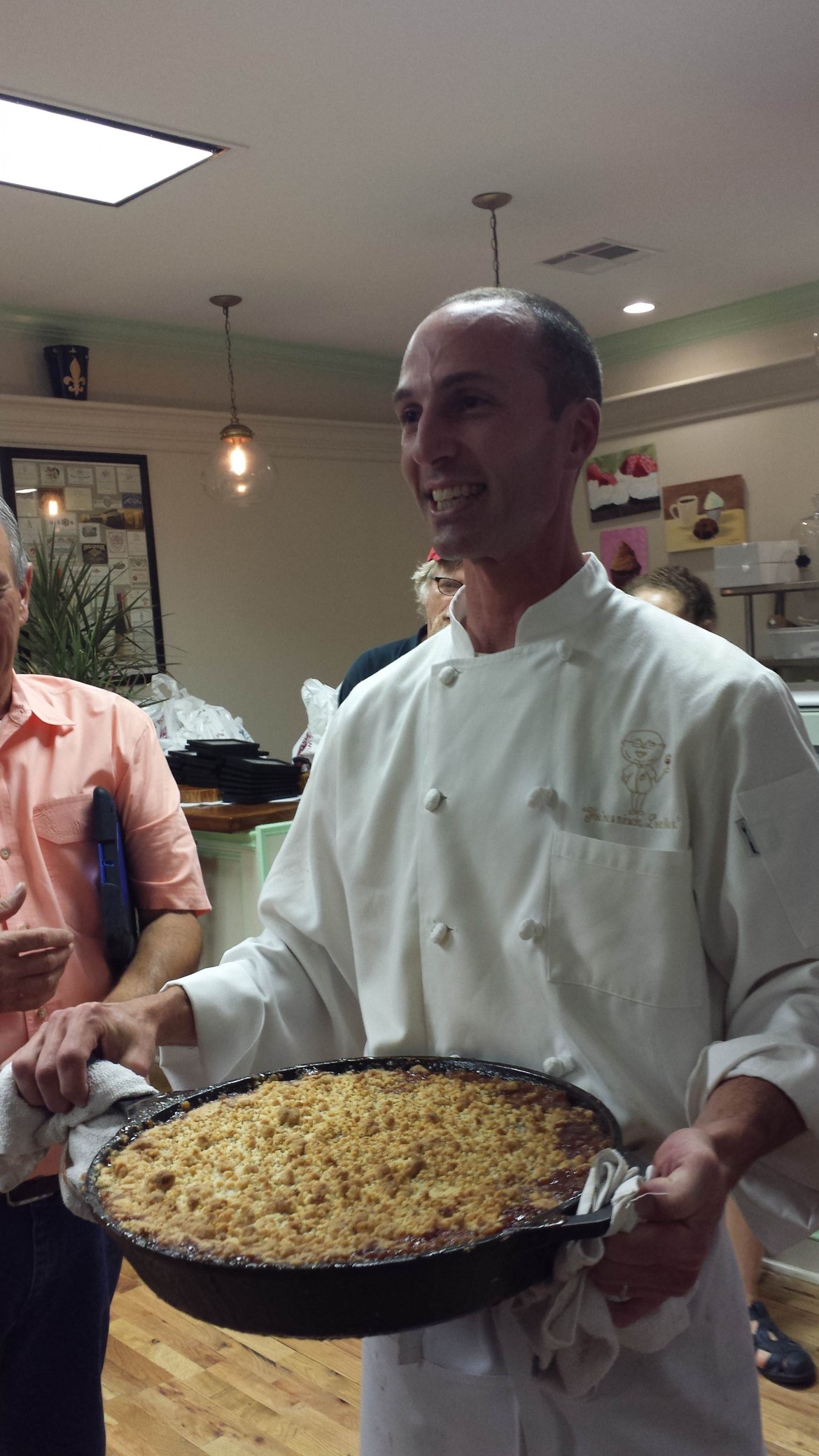
He cooks up invasive species and the stories that go with them.

It’s a value increasingly recognized by the public.

Minnesota rock collector discusses one of Michigan’s most characteristic natural materials.

Warblers and bitterns catch the eye of this expert.

Spiritual and aesthetic values don’t figure into it. Expert witness calculates replacement costs.

Newspapers reveal worries about fish, floods, farms, mines, trails, energy and Roscoe the deer.
Recent federal court hearing allows construction to begin before environmental impact statement completed.
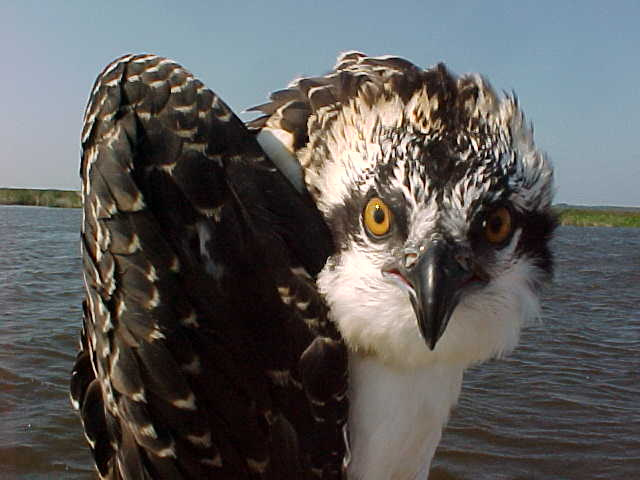
Editor’s note: Echo’s Winged Wednesday series reports on expert birders’ favorite Great Lakes birds to watch. Tell us your favorites in the comments. Summer birding is tricky. Birds are in the midst of the nesting season and are often quiet as they patiently sit on eggs and care for their newly-hatched chicks. Mark Cranford admires the feathered co-inhabitants of his Lake Michigan cottage property from a distance.