Nearshore
Cannons from Chicken Bone Reef help solve Great Lakes mysteries
|
Research on six 19th-century British canons recovered from the Detroit River is giving new information about colonial-era militarization of the Great Lakes region.
Great Lakes Echo (https://greatlakesecho.org/prominence/homepage-featured/page/194/)
If you are using the Newspaper or Carousel optional homepage layout, add this label to posts to display them in the featured area on the homepage.
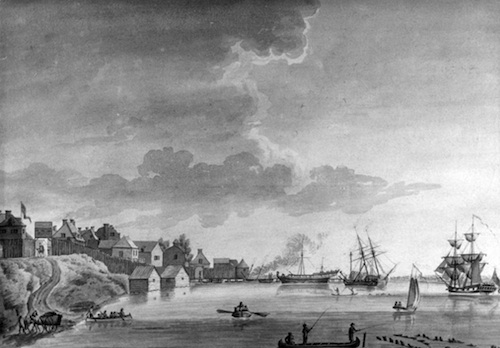
Research on six 19th-century British canons recovered from the Detroit River is giving new information about colonial-era militarization of the Great Lakes region.

A new book details the complex social, political and environmental developments of Detroit, combining maps with recommendations for redevelopment.
New research from Michigan State University indicates that biodegradable plastics might not actually be breaking down in landfills any faster than other plastics.
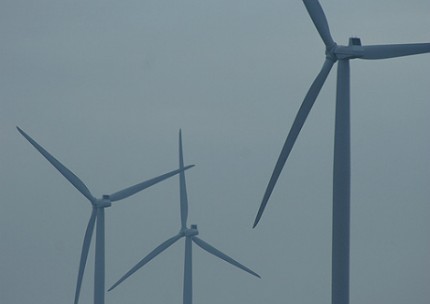
A key component of energy proposals from the Michigan legislature is that stronger, more long-term planning requirements for utilities can effectively replace renewable energy and efficiency standards.
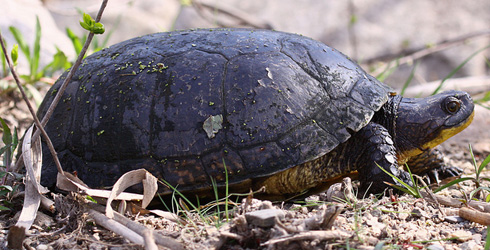
They used radio tracking, GPS loggers and aerial imagery to follow a dozen turtles on a Lake Huron island.

The Michigan Land Use Institute is exploring the possibility of creating new passenger train service between Ann Arbor and Traverse City, as a way to take some cars off the roads.

A look at this month’s biggest environmental stories with Great Lakes commentator Gary Wilson.
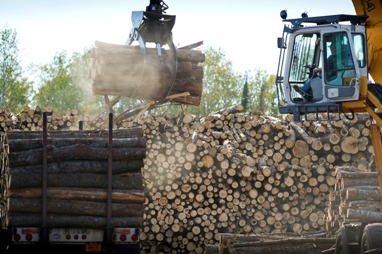
Michigan could expand forest use beyond harvested timber to products such as syrup, furniture and ethanol.
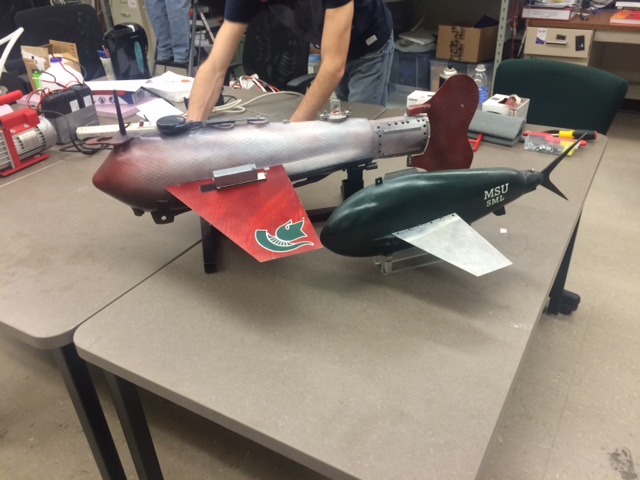
The robots carry receivers that follow acoustic devices surgically implanted in fish. They also can monitor the growth of toxic algae in the Great Lakes.

The Michigan Court of Appeals ruled that the elk-breeding facility waited too long to sue after the state shut it down during a year-long chronic wasting disease quarantine. An appeal to the state Supreme Court is likely.