Skip to content
  • logo
  • logo
  • Home
  • Solutions
  • Agriculture
  • Water
  • Cities & Suburbs
  • Nearshore
  • Recreation
  • Wildlife
  • Energy
  • Waste
  • About
  • Contact

Great Lakes Echo - Environmental news of the Great Lakes region

Great Lakes Echo (https://greatlakesecho.org/category/water/page/17/)

  • Home
  • Solutions
  • Agriculture
  • Water
  • Cities & Suburbs
  • Nearshore
  • Recreation
  • Wildlife
  • Energy
  • Waste
  • About
  • Contact
Subscribe

Water

Includes water quality, quantity and use.

  • Related Topics:
  • Water
  • Echo
  • Water quality
  • Great Lakes
  • Commentary
Fungi

Could Great Lakes fungi and Cheerios lead to cancer cure?

By Jack Nissen | February 5, 2018

Scientists knew very little about fungus in the Great Lakes until this research.

Water

New research tackles Great Lakes regional problems

By Eric Freedman | February 2, 2018

New book edited by Eric Freedman and Mark Neuzil offers in-depth look at groundbreaking research that may shape the future of the ecologically unique and economically vital Great Lakes basin.
Homepage Featured

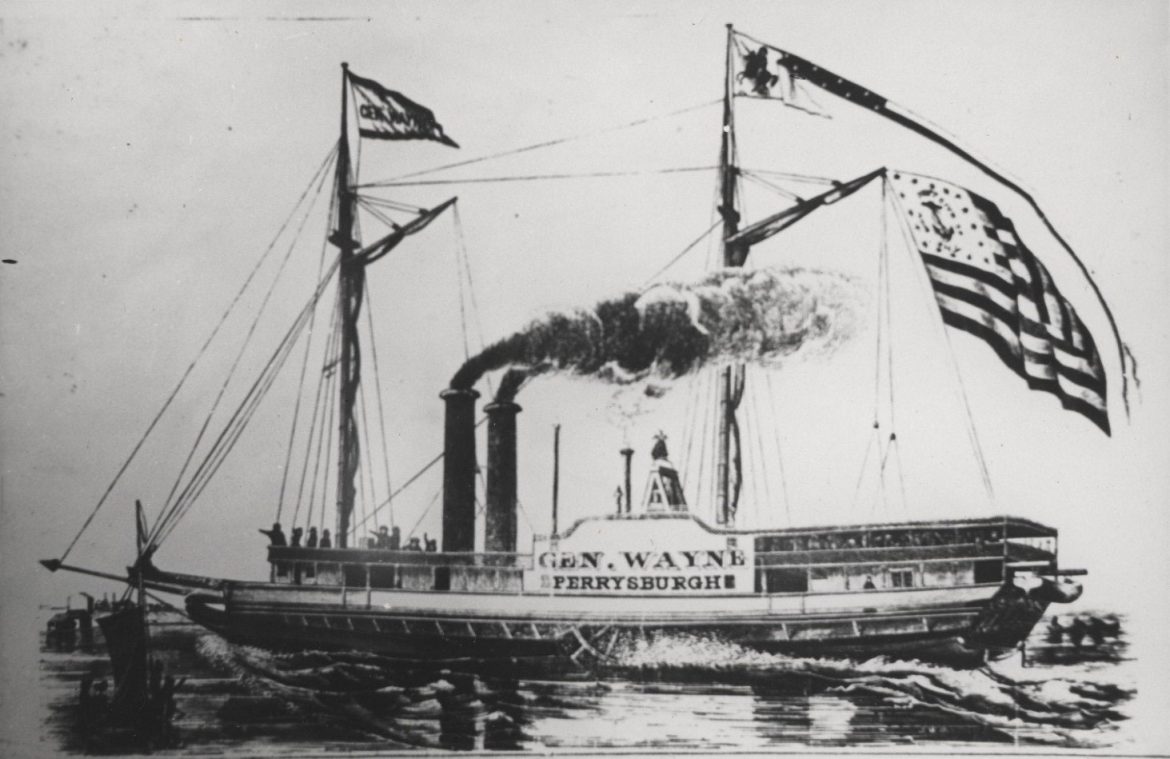
Ohio’s maritime past finally breaches the National Register of Historic Places

By Jack Nissen | January 24, 2018

It’s the first Ohio shipwreck to be added to the list.

Capital News Service

Perfect storm shrinks volunteer corps that protects Michigan shipwrecks

By Carl Stoddard | January 22, 2018

The state preserves, which protect sunken ships and natural features, receive no state money.

Water

Michigan protects more than a dozen shipwreck areas

By Carl Stoddard | January 22, 2018

More than a dozen underwater preserves along Michigan’s Great Lakes coastlines have been established to protect hundreds of shipwrecks.

Water

Video: Ice balls, ice volcanoes and more ice on the Great Lakes

By Dave Rosenthal | January 16, 2018

If you like ice, you have to love the Great Lakes, where it comes in all shapes and sizes. With the recent deep freeze, we’re seeing a lot more ice than in the past few winters — including a frosty Niagara Falls.
environmental politics

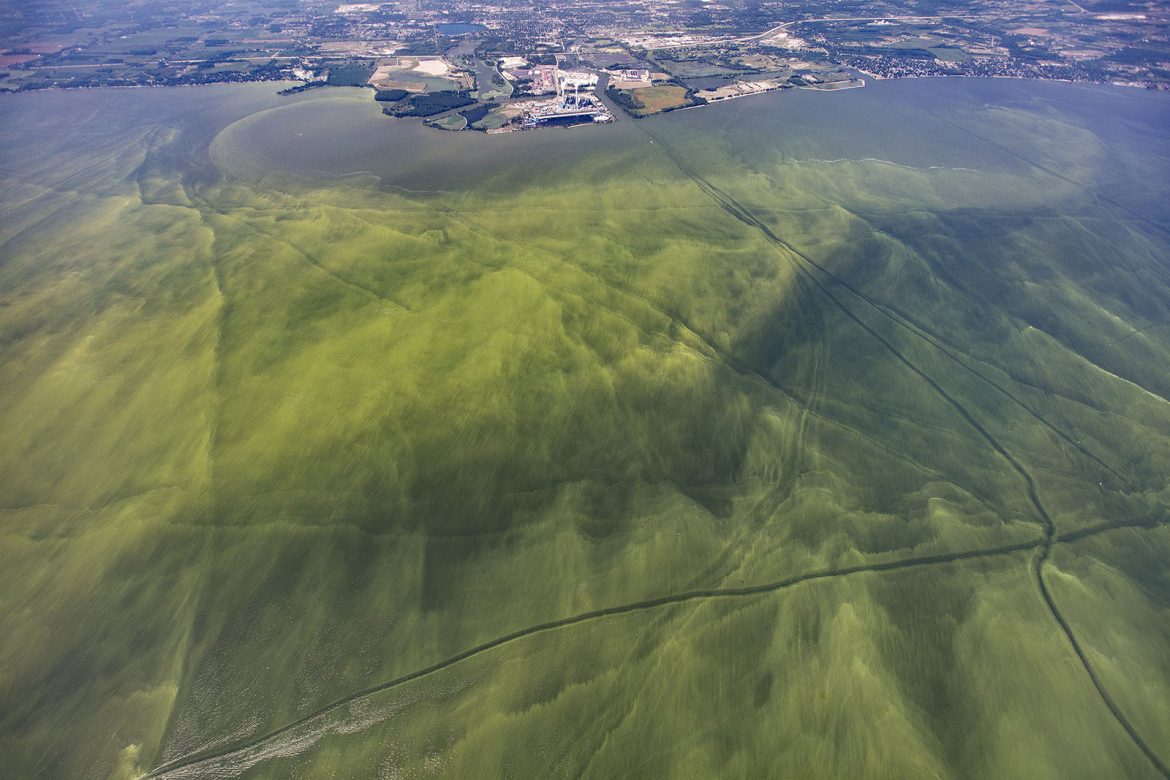
Local agencies want federal tools with teeth to tackle Lake Erie pollution

By Steven Maier | January 15, 2018

Toledo and Lucas County officials are leading the fight to curb Ohio’s algae-feeding pollutants. It’s a role they say should be played by the U.S. EPA.

Homepage Featured

Michigan wants lead out of all pipes in 20 years

By Kaley Fech | January 10, 2018

New rules would require pipe replacement and reduce the acceptable level of lead in drinking water from 15 parts per billion to 10 parts per billion.

Podcasts

What will 2018 bring for the Great Lakes?

By Elizabeth Miller | January 9, 2018

A new year brings new opportunities for recreation and commercial interests along the Great Lakes. It also means seven gubernatorial elections in states that border the lakes, and growing concern over climate change.

Green Gavel

Former New York paper mill official convicted of Clean Water Act violations

By Eric Freedman | December 28, 2017

Michael Ward failed to alert his supervisors at the APC Paper Group mill in Norfolk that the mill was exceeding the maximum daily level of discharges allowed under its state permit.

Load more articles

About Great Lakes Echo

Environmental news of the Great Lakes region from the Knight Center for Environmental Journalism at Michigan State University.

  • Headshot of Ethan Theuerkauf
    Growth in shoreline armoring is reshaping Michigan’s Lake Michigan coast

    By Kyrmyzy Turebayeva A new study documents a fivefold increase in shoreline armoring along Lake Michigan’s Eastern coast.

  • How seeds from the past are saving a unique flower of the Great Lakes

    By Kyrmyzy Turebayeva More than 30 years ago, a group of scientists planted just 4,200 seeds of the rare Pitcher’s thistle in the sandy dunes of the Great Lakes. At the time, no one knew if the new populations would survive. Today, three decades later, the restored populations are thriving and spreading.

  • Henderson holding a swan
    From otters to butterflies: How Minnesota became a pioneer in nongame wildlife conservation

    By Kyrmyzy Turebayeva In the late 1970s, when most wildlife conservation programs in the United States focused almost exclusively on game species, a quiet but historic shift began in Minnesota. It was here that one of the nation’s first state programs dedicated to protecting so-called nongame wildlife emerged from butterflies and bats to bald eagles and river otters. That story is now told in detail by Carrol Henderson in his new book, “A National Legacy: Fifty Years of Nongame Wildlife Conservation in Minnesota."

  • Michigan’s water infrastructure sees improvements, work still needs to be done

    By Clara Lincolnhol The U.S. would need to invest nearly $3.4 trillion over the next 20 years to fix and update drinking water, wastewater and stormwater infrastructure, says researchers from The Value of Water Campaign. Much of that infrastructure was built 40 to 50 years ago and shows its age. Michigan’s is no exception. The American Society of Civil Engineers gave the state a D+ for its drinking water infrastructure, a D in storm water management and a C for its wastewater infrastructure. Funding is a major problem. Proposed data centers would put more stress on the infrastructure.

  • Mussels in a green net.
    Endangered spectaclecase mussels reintroduced into the Chippewa River

    By Ada Tussing To combat the population loss of spectaclecase mussels, researchers with both the Minnesota and the Wisconsin Department of Natural Resources released over 177 mussels into the Chippewa River in Northwest Wisconsin.

  • Michigan allocates $77 million to clean thousands of contaminated sites

    By Clara Lincolnhol Michigan is pouring $77 million into clean-up of contaminated abandoned real estate such as former factories. The director of the Department of Environment, Great Lakes and Energy says the goal is to make the cleaned-up sites safe for housing, commercial developments and other uses.

  • Winter makes curved roads dangerous; researchers seek solutions

    By Eric Freedman Flashing light on warning signs near curves can slow drivers and reduce the odds of a crash during winter weather conditions, says a new study by Michigan State University engineers.

  • The cover of “Dead Moose on Isle Royale: Off Trail with the Citizen Scientists of the Wolf-Moose Project." The cover is moose antlers on the ground.
    Great Lakes books for your holiday gift list 

    By Eric Freedman   Looking for a holiday gift for a reader who loves the Great Lakes? Here are five prospects to consider – and what our reporters learned from interviewing their authors this year.

  • A side-by-side of the historic Portage Canal and modern Portage Canal from an aerial view.
    Restoration of historical site improves quality of life for Portage, Wisconsin residents

    By Joshua Kim Following the completion of segments 1 and 2 of the Portage Canal, local residents and visitors can use the historic site and its amenities following years of disrepair.

  • What herring gulls tell us about plastic pollution

    By Victoria Witke Christina Petalas, a doctoral student McGill University, studies herring gulls to learn about plastic pollution near the St. Lawrence River. Across two studies, she found plastic additives in every bird sampled, which could have human health consequences.

  • Great Lakes Echo

Contact Us

Email: GreatLakesEcho@gmail.com
Phone: 517-432-1415

Search This Site

Browse Archives

© Copyright 2026, Great Lakes Echo

Built with the Largo WordPress Theme from the Institute for Nonprofit News.

Back to top ↑