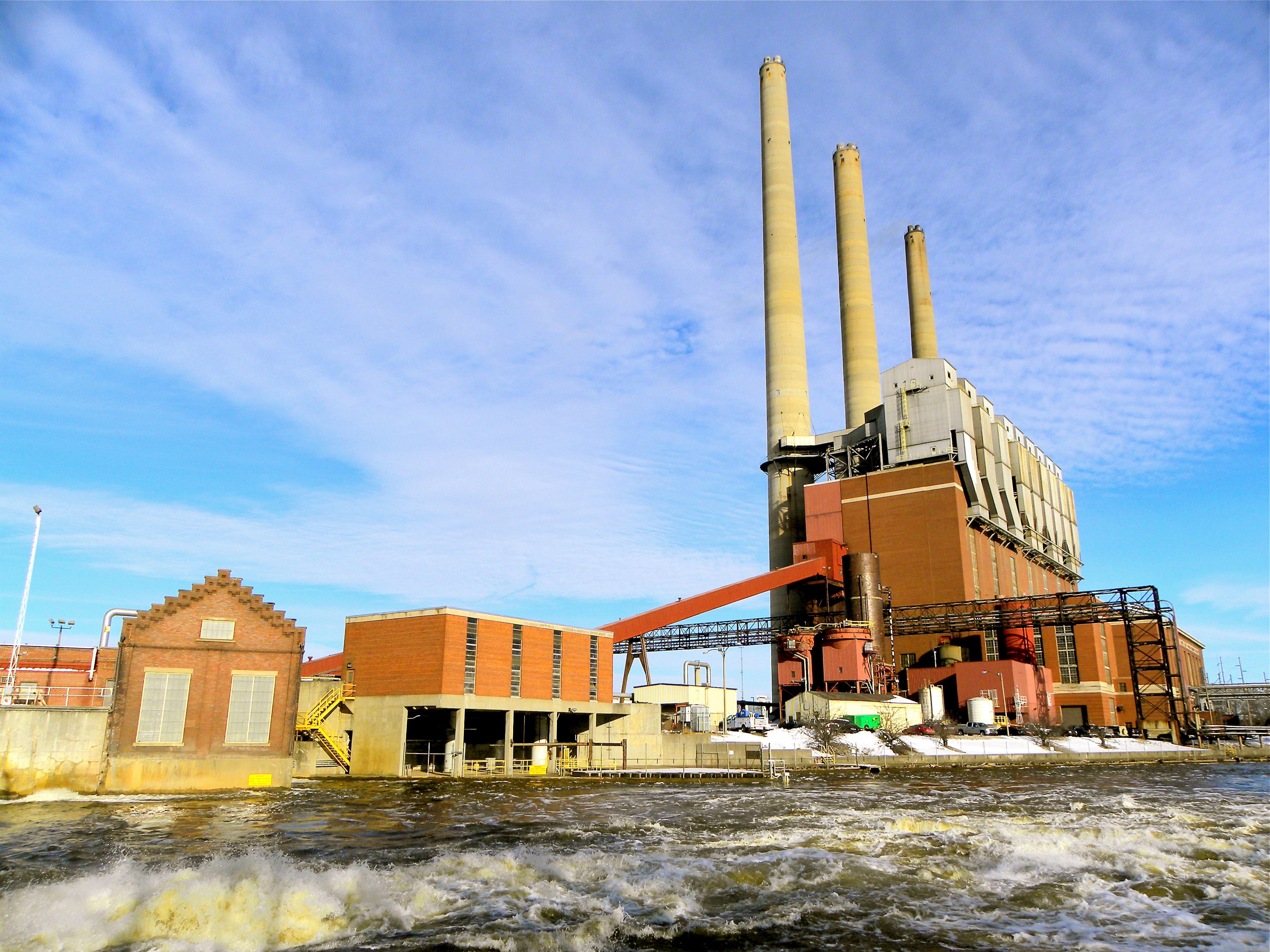
A new study by scientists at Michigan State University shows that ethanol use in Michigan is reducing carbon emissions by nearly 1.4 million metric tons per year, equivalent to the emissions of 294,000 cars.
The funds will partially reimburse more than 30 communities in the northern Lower and Upper peninsulas for repairing damaged roads and water mains, and to wrap up construction before the cold weather sets in.
A funny thing has occurred — some in the GOP and the industry have backed away from the initial relentless criticism of the Obama plan to curb carbon emissions.
Most people are aware of the “sexy” greenhouse gas CO-2. Fewer know of its co-culprit nitrous oxide. The third-largest greenhouse gas, nitrous oxide is released in soil during a natural process. However, the increased use of nitrogen fertilizer in agriculture has resulted in harmful nitrous oxide emissions.
The longest period of ice cover in the Great Lakes officially ended on June 6 — much to the relief of everyone who suffered post-traumatic stress from last year’s harsh winter. The National Oceanic and Atmospheric Administration [NOAA] recently released a year’s worth of Great Lakes surface temperatures. The animation at right shows ice cover and temperature for one day each month of the year. The one below shows the same information for every day of the year. In the 40 years of collecting data there hasn’t been ice cover that has lasted this long, said Anne Clites, physical scientist for the NOAA.
Will it take a disaster to respond to climate change?
A group of University of Wisconsin-Madison researchers on Wednesday released a series of detailed science-based scenarios envisioning life in 2070 in the Madison area’s Yahara Watershed.
The idea is to help people envision the effects of climate change before it worsens.