By Lily Cole
Plastic bags, bottles, cans, fishing debris and even human excrement are just some of the waste found on or in lakes and streams during ice fishing season in the Great Lakes region.
This campaign, called Keep It Clean, uses different educational, legislative and enforcement methods to remind fishers, campers and everyday citizens to be aware of garbage they bring on their trips.
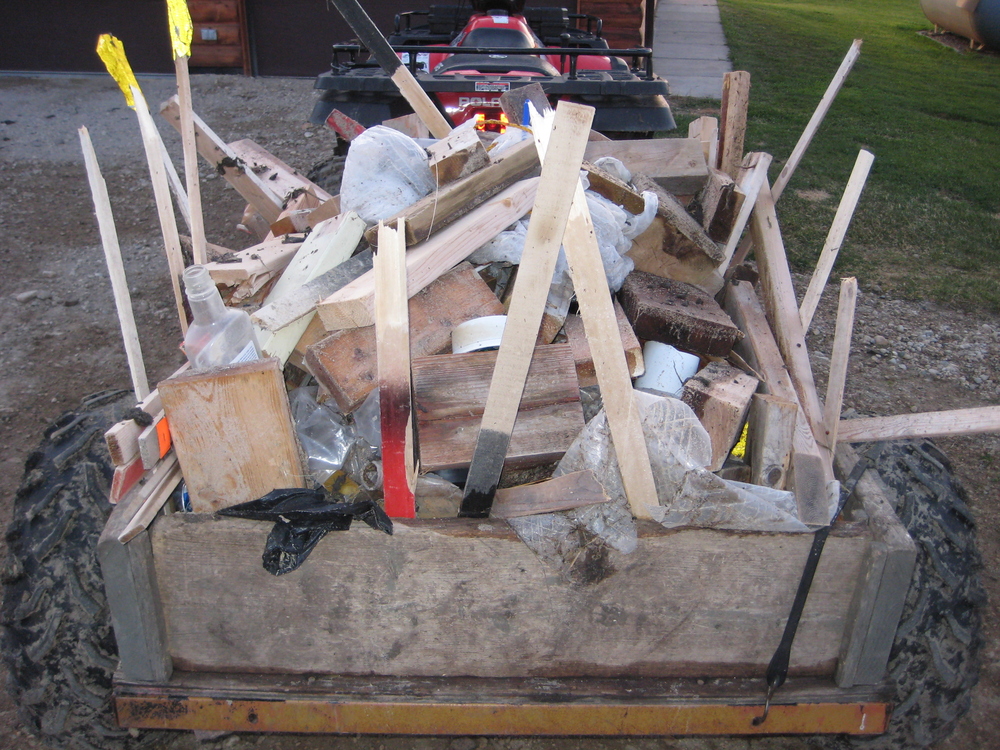
Keep It Clean began about 13 years ago after one of the founders, Executive Director of Lake of the Woods Tourism Joe Henry, and volunteers from a Minnesota nonprofit, Friends of Zippel Bay State Park, found large amounts of garbage during a beach cleanup in Zippel Bay State Park on the shores of Lake of the Woods in Minnesota.
“It just so happened that the wind was blown in the right way, and they got five trailer loads full of garbage,” Henry said. “Everything from planks, wood, plastic, styrofoam, fishing, powders, a whole bunch of stuff … So they were like, ‘this is crazy, we gotta do something.’”
In 2023, the campaign achieved a major win when Minnesota enacted a law prohibiting leaving waste on frozen lakes or allowing it to come into contact with the ice. Violators face a $100 fine.
Keep It Clean uses different outreach methods, including billboards, drink coasters, social media, community events and geo-fencing digital marketing ads. These ads function through GPS coordinates and location services through smartphones. If an angler drives anywhere between three and six blocks out on the ice, a reminder is sent to their phones.
“When they pass that invisible barrier with their smartphones and location services turned on, we deliver them an ad so that when they’re looking at their phone out on the ice, it says, ‘please remember to keep it clean,’” Henry said.
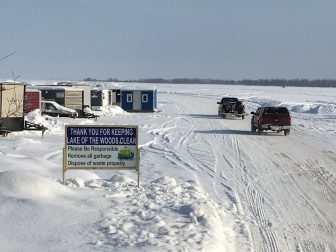
Signage on Minnesota’s Lake of the Woods reminds people fishing on the ice to “Keep It Clean.” Credit: Keep It Clean
Since then, Henry and others in the community have come together to educate and promote keeping trash and waste off and under the ice on Lake of the Woods.
Keep It Clean isn’t the only group keeping lakes and streams clean by preventing garbage from being left on their shores. Founder and president of Michigan Waterway Stewards, Mike Stout, also prioritizes keeping these places clean from debris.
After kayaking in different rivers in Michigan, he was shocked by their conditions.
“I was appalled,” Stout said. “I’ve never seen waterways anywhere remotely close to so littered and polluted.”
Stout decided to launch a community program to address the problem. Since launching Michigan Waterway Stewards about four years ago, 208,000 pounds of trash have been removed, and more than 150 river-wide obstructions have been cleared.
Two years ago, Michigan Waterway Stewards pulled a couple hundred bicycles and about 300 electric scooters from the Red Cedar River on Michigan State University’s campus in East Lansing.
“As far as we know, that’s the single greatest incident of tossed electric scooters in a river,” Stout said.
The organization focuses on community collaboration and volunteer work through education campaigns, environmental projects and partnerships with universities like Michigan State.
While Stout said Michigan Waterway Stewards doesn’t usually do winter cleanups, they have fall cleanups so debris doesn’t get into rivers and streams during the colder season.
“We come at the end of the year to make sure we clean up all that litter and trash so it doesn’t get blown into the water through the heavy winds and the snow melt,” Stout said. “So much of that trash, if we don’t pick it up, it does make its way into the river or lakes or stream because everything eventually makes its way to our waterways.”
For David Smith, a retired teacher from Wayne-Westland public schools in Michigan, ice fishing in the early 1960s and beyond revealed a plethora of debris, mainly plastic bottles and cans.
“There were beer bottles and cans, but that was back before the bottle bill passed in Michigan,” Smith said. “What existed before was just pathetic in terms of the amount of litter you would see everywhere.”
Before he stopped fishing about five to six years ago, Smith and his fishing partners would sometimes throw away garbage that wasn’t theirs. He also said some lakes and streams were unfishable because of the amount of debris and even chemicals in the water.
While Smith believes there’s less debris in waterways since he began angling, it’s still important to educate people, especially youth, about the impact of garbage on these ecosystems.
“Plastic stuff you throw in the water doesn’t go away, and fishing line creates a heck of a problem for waterfowl and fish,” Smith said.
Henry emphasized that caring for the environment should bring people together regardless of political differences.
He and Smith both said that – even if they wouldn’t call themselves “treehuggers” – everyone shares a responsibility to keep the outdoors clean.