Wildlife
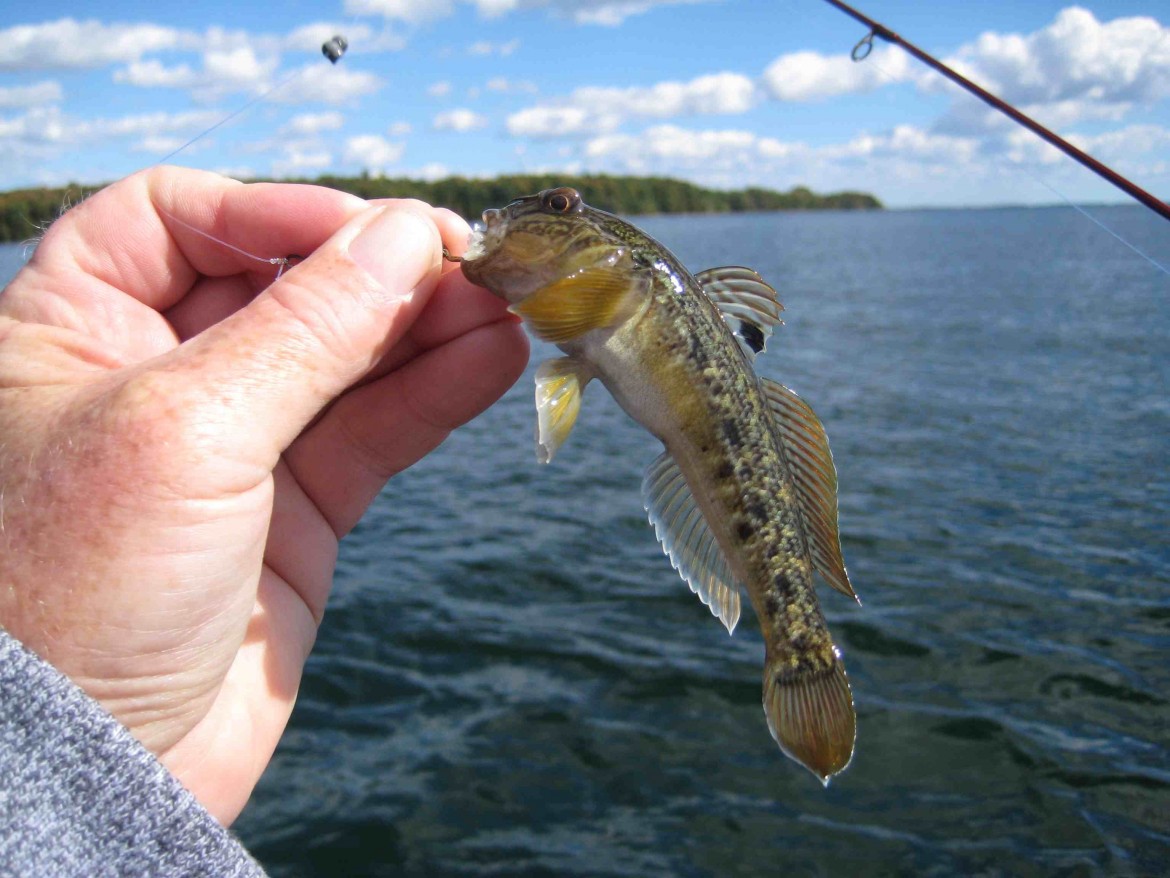
Some ostracods survive goby guts
|
Survival provides insight into fish as agents of species dispersal.
Great Lakes Echo (https://greatlakesecho.org/tag/invaders/page/9/)
Survival provides insight into fish as agents of species dispersal.
New studies show that the invasive species, round goby, has become a key food source for native species, including the small mouth bass, yellow perch and walleye.
Unlike Sharknadoes, the tiny crustacean poses a real threat, especially in the Great Lakes.
Great Lakes researchers are building a time machine to help fight freshwater invasive species.
Online reporting helps put more eyes on the paths of destructive invaders.
Click the audio for details and Mr. Great Lakes for the text. Jeff Kart is Mr. Great Lakes and heard at 9 a.m. Fridays in Bay City, Mich., on Delta College Q-90.1 FM NPR and is rebroadcast on Great Lakes Echo with permission.
He cooks up invasive species and the stories that go with them.
Clean, drain, dry is common advice among the Great Lakes boating community. Now it’s delivered with a southern drawl. The watercraft maintenance practice limits the spread of invasive species between lakes. And now it is used in Texas to limit the further spread of a Great Lakes menace threatening lakes in that state. Zebra mussels are again the target. They entered the U.S. through the Great Lakes aboard freighters that inadvertently transported them from Eurasia.
About a decade ago, Lake Huron’s fishing was not very abundant because of a steep decline in fish numbers. To see how the lake is doing now, Current State’s Melissa Benmark spoke with David Fielder, Fisheries Research Biologist for the Department of Natural Resources and a doctoral student at Michigan State University. Fielder explained that the decline ten years ago was due to ecological changes after the invasion of zebra mussels, quagga mussels and a higher predator abundance.