Echo
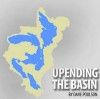
Y’all in the Great Lakes wouldn’t have just slaw with your Coke and crawdads
|
Regional language differences make for an interesting mapping project.
Great Lakes Echo (https://greatlakesecho.org/tag/echo/page/58/)
Regional language differences make for an interesting mapping project.

More than 44 billion gallons of water were extracted daily from the Great Lakes-St. Lawrence River Basin in 2011, according to a new report. Of the region’s states and provinces, Ontario withdrew the most water, at about 37 percent and Pennsylvania took the least at .07 percent. Uses for the water include irrigation, public drinking and industrial needs. That amount does not include water used for hydroelectric energy.

Steve Libert, president of the Great Lakes Exploration Group, discovered in Lake Michigan something he suggests might be the bowsprit of a 17th century French sailing vessel.

A survey of teachers in the U.S. and Canada found nearly 27 percent release classroom pets and plants into the environment, risking a new pathway for invasive species.
Mr. Great Lakes (Jeff Kart) reports from Bay City, Michigan’s Delta College Q-90.1 FM.
This week Kart discusses a volleyball tournament raising money for beaches, a nature trail in Saginaw Bay and an interactive map highlighting Great Lakes restoration projects. Text at Mr Great Lakes
[cincopa A4CAiI7EtDaq]
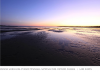
The Fresh Coast Project began as an attempt by photographer Ed Wargin to capture the Great Lakes in pictures and video. His new book, “Fresh Coast, a Great Lakes Tribute” features both photos of all five Great Lakes and often the stories behind them, as Wargin shares his experiences traveling through the Basin. The slideshow above features just a few of Wargin’s photos from the book. A digital book can be downloaded here.

Outside Magazine slighted the Great Lakes now and in the past in its annual vote for best towns for outdoor recreation and quality of life.
Here’s your chance to set that publication straight.
The Chinese media can’t figure what’s the big deal.
People there love the fish.
One suggestion for U.S. carp control: Allow more Chinese to immigrate here.

In 2004, Milwaukee Water Works began monitoring drinking water for estrogen and testosterone, flame retardants, pesticides, explosives and pharmaceuticals.
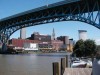
Check out the benefits that government officials say that restoring Great Lakes toxic hot spots can bring to local economies. This video was produced by the Environmental Protection Agency and the Illinois-Indiana and Wisconsin Sea Grants. The Great Lakes Legacy Act provides federal funding for the remediation of environmental “Areas of Concern,” toxic hotspots contaminated by industrial practices.