Echo

Fall Photo Friday: Early fall colors
|
Photo Fridays have been hijacked by the leafers! During the fall, we’ll be posting reader submitted pictures of brilliant autumn colors throughout the Great Lakes region.
Great Lakes Echo (https://greatlakesecho.org/tag/echo/page/130/)
Photo Fridays have been hijacked by the leafers! During the fall, we’ll be posting reader submitted pictures of brilliant autumn colors throughout the Great Lakes region.

Upgrading storm sewers isn’t glamorous, but such investments not only restore environmental health, they can benefit local economies.
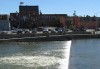
The mouth of a Michigan river with a history of environmental problems will again flow naturally and reconnect Lake Erie to inland towns.
But the project could introduce new problems.

Some scientists worry that the chemicals that make lotion, soap, trash bags and a myriad of household products smell good are an emerging class of pollutants that threaten environmental and human health.

A dose of exercise and fresh air is just what the doctor ordered. Indiana Dunes National Lakeshore is partnering with Porter Health Systems in Indiana to prescribe walks, bike rides, kayak trips and other activities to patients through the Park Prescription Program. By getting out to the park, patients will get some exercise and stress relief, while hopefully boosting visitation. Not every prescription is the same. Before they write a prescription, Porter doctors will find the right trails and activities based on the patient’s needs and abilities.

A century ago, the Buffalo River was bustling with activity. The shores were lined with automobile, steel and chemical companies. Jobs were abundant.
Today’s Buffalo is a different place. The industrial heritage isn’t gone–it fills the Buffalo River.

The Michigan Department of Natural Resources recently listed the sporting swine as an invasive species, stepping up the state’s fight against swine gone wild. By April 2012, sporting and breeding facilities won’t be allowed to have sporting swine because they can get loose and become feral. Feral swine have a track record for damaging property, eating domestic and wild animals, out-competing native animals for food and spreading diseases like Foot-and-Mouth disease to wildlife, livestock and humans.
The department encourages sporting facilities to offer hunts to get rid of their sporting swine population. To help control swine that have already gone wild, Michigan allows hunters with any kind of license to hunt swine on public and private land.

Canadian scientists are launching a robotic kayak equipped with echo sounder sensors in the Welland Canal this week to see if invasive fish such as the Asian carp could travel between Lake Ontario and Lake Erie.

A high-pressure stream of 140-degree water is enough to cook a zebra mussel, not to mention blast it to bits. With the Mobile Decontamination Machine at its side, the Wisconsin Department of Natural Resources is flexing its arm in the zebra mussel battle. Instead of relying on chemicals, bacteria or toxins covered in fat to manage the invasive species, the department is adopting a physical attack. Hot water is pumped through boats’ bilge lines to kill and flush out the mussels, which often live in bilge water and the underside of the boats. When boats travel from lake to lake, they can deposit the mussels and spread the invasion.
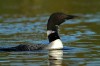
After decades of decline, mercury levels are increasing in some Great Lakes fish and birds, according to a recent study.
And health problems are occurring at lower concentrations than expected.