Weather, staffing fuel forest fire fears in Michigan

By Jon Gaskell

Capital News Service

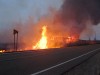
LANSING — Michigan can expect more wildfires this year, officials warn. The state’s Department of Natural Resources is predicting a greater number of forest fires and more acres burned as a result of an unusually warm winter. To make matters worse, long-term shrinking of firefighting resources has reduced the state’s capacity to quell blazes, according to department Director Rodney Stokes. The department’s fire supervisor Scott Heather said Michigan is already seeing blazes much earlier than usual. “Usually for the Lower Peninsula, the season for fires begins around the third week of March,” Heather said.

Scientists, orphan beetles and a brand new Wisconsin species

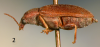
Most people do not get excited about little brown beetles — especially those that don’t bite, cause disease or have economic value. But a researcher that has dedicated his life to finding “orphan beetles” has discovered a previously unidentified beetle species endemic to two Wisconsin counties. The findings are in the March issue of The Coleopterists Bulletin. Darren Pollock, a professor at Eastern New Mexico University’s department of biology, examined dead beetles (three male and six female) that were housed at the University of Wisconsin Insect Research Collection and the Carnegie Museum of Natural History. As an expert on little brown beetles, or LBB’s as he calls them, he saw something right away.

Monitor the effects of climate change as a citizen scientist

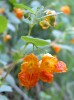
The USA National Phenology Network lets citizen scientists monitor the behavior of plants and animals to track climate change effects. Phenological events like plant flowering and bird migrations are influenced by the climate, so if those events continue to change, that could shed light on a changing climate. You can participate by scanning historical data from The North American Bird Phenology Program, sharing data you’ve kept from past years or observing plants and animals. Just sign up on the National Phenology Network website to learn what plants and animals you can observe, how to observe them and how to submit your information. You can see the data here and track phenological events across the country.